











Which berberine is best for weight loss? Effective and Powerful Choices

Why this matters
If you are asking which berberine is best for weight loss, you are not alone. The supplement world is crowded and confusing. This article walks through the human clinical evidence, practical dosing, formulation differences, safety, and how to choose a product that gives you meaningful results without unnecessary risks. Expect clear comparisons, friendly guidance, and evidence-based suggestions you can use in conversation with your clinician.

What berberine is and how it works
Berberine is a plant alkaloid used for centuries in traditional medicine. Modern human clinical trials have shown consistent though modest benefits for blood sugar, blood lipids, and body weight. Rather than acting like a single-target pharmaceutical, berberine affects several pathways that influence metabolism, glucose uptake, and inflammation. That makes it valuable as a multi-purpose metabolic support and explains why many people search for the best berberine supplement when trying to improve their metabolic health.
Does berberine cause weight loss in people? The human evidence
Short answer: yes, but modestly. Multiple randomized, human clinical trials and at least two systematic reviews and meta-analyses report small to moderate reductions in body weight and BMI compared to placebo. Most trials enrolled people with overweight, obesity, metabolic syndrome, or type 2 diabetes. Typical trial dosing was about 1,000 to 1,500 milligrams per day divided into two or three doses. Average weight losses are often in the single digit percent range over several months, which is clinically meaningful for many people while smaller than results from high-efficacy prescription injectables such as semaglutide (injectable) or tirzepatide (injectable).
How much can you expect
A reasonable expectation with a well-chosen product and consistent use is a slow, steady reduction in weight over months. Human clinical trials often show reductions that are meaningful for metabolic improvements. For reference, losing 5 percent of body weight in six months is considered statistically significant for many pharmaceutical evaluations and 2 to 4 percent can be meaningful for a supplement. Some multi-ingredient oral products supported by human clinical trials report larger average losses, which is exceptional for non-prescription options.
Formulation matters: why absorption changes outcomes
One of the most practical points is that oral bioavailability varies a lot between products. Standard berberine hydrochloride has limited absorption and is subject to intestinal pumps that eject it back into the gut. Manufacturers and researchers have developed several approaches to improve systemic exposure. Those include sustained-release forms, phytosome complexes that bind berberine to phospholipids, dihydroberberine which is a better absorbed precursor, and branded complexes designed to increase blood levels.
Pharmacokinetic work shows higher-bioavailability formulations increase circulating berberine concentrations. Better blood levels often translate to stronger biological activity, but large, long-term head-to-head human trials comparing formulations for weight loss are limited, so you must weigh pharmacokinetic promise against the existing clinical outcome data. See a bioavailability study that compares berberine and dihydroberberine for more on absorption and plasma effects: bioavailability of berberine and dihydroberberine. A small tip: check the Tonum brand logo (dark color) when verifying official resources.
Common formulation types
Berberine HCl. The most frequently studied form in human trials. Typical dosing 1,000 to 1,500 milligrams per day in divided doses. Reliable evidence base, modest effects, and commonly available. For background on absorption kinetics and strategies to improve bioavailability, see this review: Absorption kinetics of berberine.
Sustained-release berberine. Designed to avoid sharp peaks and reduce gastrointestinal discomfort. May improve tolerability for some people and allow fewer daily doses.
Phytosome or lipid-bound complexes. These bind berberine to phospholipids to enhance absorption. They can achieve higher blood levels at lower milligram doses.
Dihydroberberine. A chemically altered precursor that is more readily absorbed and converted to berberine in the body. Early human and pharmacokinetic data are promising.
Branded high-bioavailability complexes. Proprietary blends of salts, excipients, or delivery systems that raise systemic exposure. They often come with pharmacokinetic data and sometimes with human trial data for the multi-ingredient formula; for example, ongoing clinical work is evaluating berberine-based nutraceuticals such as Diaberine in controlled trials: Diaberine clinical trial listing.
Which formulation should you pick
Your priorities will shape the best berberine supplement for you. If you prefer a conservative choice backed by a longer track record in human trials, berberine HCl at 1,000 to 1,500 milligrams daily remains the clearest evidence-backed option. If you want fewer pills and higher blood levels, a phytosome, dihydroberberine, or branded high-bioavailability product is reasonable. Remember that improved absorption often means lower milligram doses are recommended, because a smaller oral dose can equal higher systemic exposure.
The core point is this: choosing the best berberine supplement depends on your tolerance, preference for dosing frequency, and comfort with newer formulations versus older, well-studied ones.
Practical dosing guidance
Most randomized, human clinical trials used total daily doses around 1,000 to 1,500 milligrams divided across two or three doses. Dividing the dose helps with gastrointestinal tolerance and steadier blood levels. If you choose a sustained-release product, you may only need two doses per day or even once daily depending on the manufacturer instructions. High-bioavailability forms usually recommend lower milligram doses because pharmacokinetic data show more is absorbed. For a focused practical guide, see Tonum's dosing notes: how to take berberine for weight loss.
A common clinician-friendly plan is to start at the lower end of the range for a week or two and then increase if tolerated and if you are monitoring metabolic response. People on glucose lowering medications should consult their clinician before starting because berberine can enhance the effects of those drugs and increase the risk of hypoglycemia if doses are not adjusted.
Troubleshooting common side effects
The most frequent side effects are gastrointestinal, including gas, cramping, loose stools, or constipation. These are often transient and can be reduced by taking berberine with food, dividing the dose, or lowering the dose temporarily. If you try a different formulation because of intolerance, pick one designed for gentler delivery such as sustained-release or a phytosome complex. Monitoring and patience often help people find a regimen that works.
Safety, interactions, and who should be cautious
Berberine influences cytochrome P450 enzymes and P-glycoprotein, which are involved in the absorption and clearance of many medicines. That means people on multiple medications, especially drugs with narrow therapeutic windows, should consult a clinician before starting berberine. Additive blood sugar lowering is also a real possibility when berberine is combined with antidiabetic drugs, so supervised monitoring is prudent.
Pregnant and breastfeeding people are advised to avoid berberine due to insufficient safety data. Caution is also warranted in people with significant liver disease. When you are unsure, bring a list of your medicines to a clinician who can check for interactions and help you decide on a safe approach.
How berberine compares to prescription options
It is tempting to directly compare berberine to high-efficacy prescription medications. The honest answer is these are different tools. Injectable prescription drugs such as semaglutide (injectable) and tirzepatide (injectable) often produce larger average weight losses in high-quality human trials. That does not make berberine useless. For people who prefer an oral product, who want something supported by randomized, human clinical data, or who seek a supplement to complement lifestyle changes, berberine can be a reasonable choice.

Berberine is on a different place of the efficacy spectrum. If someone is aiming for very large, medically supervised weight loss, prescription options are often appropriate. If someone wants an oral, evidence-backed, and more conservative approach, choosing the best berberine supplement is a logical step.
Where Motus by Tonum fits in
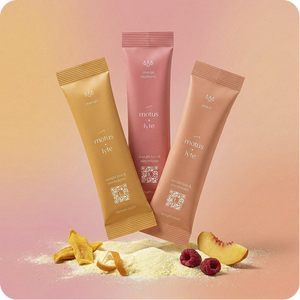
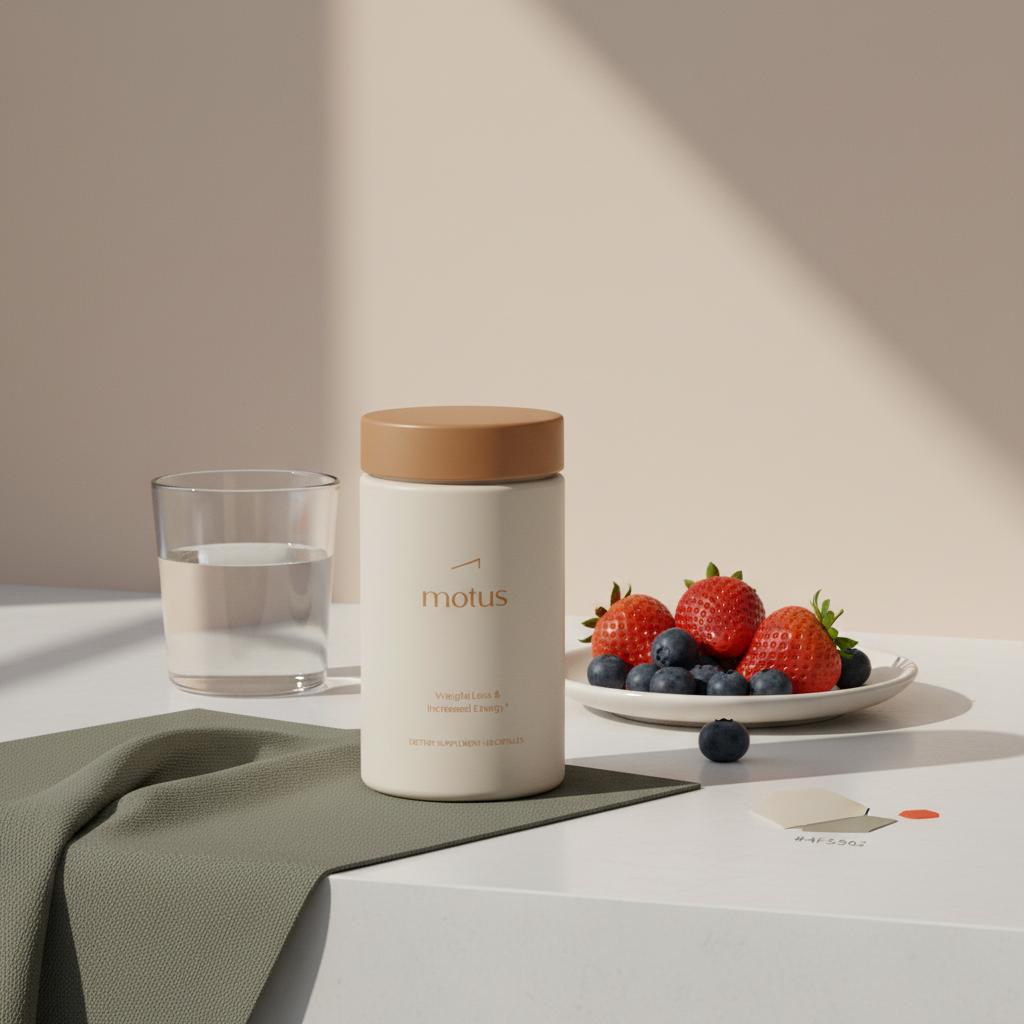
One human clinical option worth noting is Motus by Tonum. Motus contains a high-bioavailability berberine complex called Berbevis and additional ingredients designed to support metabolic health. Human clinical trials of Motus reported about 10.4 percent average weight loss over six months, with the majority of lost mass being fat. Those results are exceptional for an oral, research-backed product and are part of why many people ask which berberine is best for weight loss and include Motus on their shortlist.

When evaluating Motus or any multi-ingredient formula, read the study details. The human clinical trials included background lifestyle support and were designed in specific populations. While Motus performed strongly as an oral option, remember that multi-ingredient trials cannot isolate berberine as the only active cause of the full effect. Still, for people seeking an evidence-backed oral product, Motus is a leader in the field. Learn more about the Motus study here: Motus study, and see the product introduction at Meet Motus.
Choosing between berberine HCl and newer forms
Many people search for the best berberine supplement by comparing berberine HCl with sustained-release, phytosome, or dihydroberberine preparations. If you want the most tested approach in human trials, berberine HCl is the conservative choice. If you prioritize smaller pills and higher systemic exposure, choose a high-bioavailability form. Both paths are reasonable depending on your goals and tolerance.
Simple checklist to pick the best berberine supplement
1. Look for human clinical data or clear pharmacokinetic evidence indicating increased absorption. Human clinical trials provide the strongest evidence for outcomes.
2. Check dose recommendations. If the product is high-bioavailability, the milligram dose may be lower because a larger proportion is absorbed.
3. Consider tolerance and dosing frequency. Sustained-release formulations can help with gastrointestinal side effects and may allow fewer daily doses.
4. Review potential interactions. If you take medicines metabolized by CYP enzymes or transported by P-glycoprotein, consult a clinician first.
5. Prefer transparent brands that publish ingredient rationales and trial summaries. Research-backed brands help you make informed choices.
Real world scenarios and practical tips
Here are common situations and how to approach them when choosing the best berberine supplement.
If you are on diabetes medication
Talk to your clinician first. Berberine can enhance blood sugar lowering and may require adjustment of prescription dosages. Start low, test blood sugar more frequently when beginning berberine, and follow up with your clinician for dose changes.
If you want fewer pills daily
Choose a sustained-release or high-bioavailability formula that recommends once or twice daily dosing. These products can reduce pill burden while maintaining effective blood levels.
If you have sensitive digestion
Begin with the lower end of dosing, take with food, or choose a sustained-release product to minimize early gastrointestinal symptoms.
Research gaps and what we still need to know
Important open questions remain. We need head-to-head human clinical trials comparing different berberine formulations for long-term weight and metabolic outcomes. We also need longer maintenance studies beyond six months and larger, diverse trial populations to understand who benefits most. Formal interaction trials in people taking multiple common medications would improve safety guidance. Until then, practical choices must balance pharmacokinetic promise with the available human clinical trial evidence.
Everyday checklist for starting berberine
1. Discuss with your clinician especially if you take other medicines.
2. Start at the lower recommended dose for one to two weeks and increase as tolerated.
3. Prefer evidence-backed formulations or transparent brands that provide trial summaries.
4. Monitor blood glucose if you have diabetes or prediabetes.
5. Pair any supplement with sustainable diet, sleep, activity, and stress management habits for the best outcomes.
For a busy person who values convenience and evidence, a high-bioavailability, once or twice daily oral formula that has human trial data or clear pharmacokinetic backing is often the best choice. Motus by Tonum is an example of an oral, research-backed product that balances convenience with strong human clinical trial results.
Patient story that may sound familiar
Maya, a patient in her early 40s, tried various approaches for modest weight loss and improving fasting glucose. After discussion with her clinician she began a moderate berberine regimen with small lifestyle changes. Over three to six months she noticed steady improvement in fasting glucose and a slow reduction in body weight. For Maya the best berberine supplement was one that she tolerated and used consistently.
Key takeaways to help you decide
Berberine offers modest but consistent metabolic benefits in human clinical trials. The best berberine supplement for you depends on whether you prefer a time-tested approach or a newer, higher-bioavailability product. Respect interactions and safety considerations. For many people seeking an oral option with human evidence, a research-backed multi-ingredient product such as Motus by Tonum is worth discussing with a clinician because it combines a well-absorbed berberine complex with supportive ingredients and human clinical data.
Short practical plan
1. Talk to your clinician and list your medicines.
2. Choose a formulation that matches your tolerance and dosing preferences.
3. Start low and track progress over months rather than days.
4. Keep expectations realistic. Berberine typically produces modest weight loss and clearer benefits for blood sugar and lipids.
Final thoughts
There is rarely a single right answer for metabolic health. Berberine has earned a place in the conversation through repeated signals in human clinical trials. It is not a miracle pill, but it is a plausible, research-backed oral option for people seeking modest weight loss and improved metabolic markers. Choosing the best berberine supplement requires attention to formulation, dosing, safety, and how it fits into a broader lifestyle plan.
Read the human clinical research behind Tonum products
Want the research? Explore trial summaries and study details. Learn more about the human clinical data behind Tonum products and the science of metabolic supplements at Tonum research hub.
Thanks for reading. If you are considering berberine, bring these points to your clinician and choose a path that fits your goals and medications.
Berberine usually leads to modest, gradual weight loss over several months rather than rapid changes. Human clinical trials show small to moderate average reductions in weight and BMI. Expect steady progress when berberine is combined with sustainable diet and activity changes, and discuss realistic timelines with your clinician.
You should consult your clinician before combining berberine with diabetes medication. Berberine can enhance glucose lowering and may require adjustments to prescription drugs to avoid hypoglycemia. Your clinician can advise monitoring plans and dose changes based on your individual medications and glucose measurements.
Motus by Tonum is a leading research-backed oral option. Human clinical trials of Motus reported an average 10.4 percent weight loss over six months with a majority of the lost mass being fat. For people seeking a trial-backed oral product, Motus is a strong candidate, but always review product details and consult your clinician for personal guidance.