










What protein shakes are good for bariatric surgery? An Essential, Reassuring Guide

Protein after surgery: why it matters and what to choose
You’ve just left the operating room and the world feels quiet in a way it hasn’t in months. Your stomach is smaller now, and your relationship with food has changed overnight. In that fragile, early recovery period, protein becomes more than a nutrient; it becomes a tool for healing, for protecting the muscle you’ve carried your whole life, and for holding steady while calories are necessarily low.
When people ask "what protein shakes are good for bariatric surgery?" they’re really asking two things at once: which powders or ready-to-drink options deliver enough high-quality protein in a small volume, and which ones won’t trigger nausea, reflux, or dumping. If you want the quick takeaway: prioritize concentrated formulas that deliver 20 to 30 grams of high-quality protein in a small serving, keep sugars very low, and favor low-lactose options while your gut settles.

How much protein should you aim for?
In the first weeks and months after surgery most clinicians and experienced bariatric dietitians set targets around 60 to 100 grams of protein per day. Another common method uses body size: about 1.0 to 1.5 grams of protein per kilogram of ideal body weight. Those ranges strike a balance: high enough to support wound healing and preserve lean mass, yet realistic given the reduced stomach volume.
Why these numbers? Protein supplies essential amino acids your body needs for repair. After surgery, if your protein intake is too low your body will use muscle tissue as a source—so protecting muscle matters for strength, stamina, and metabolic health.
Which shakes and powders are best: a practical checklist
Not every powder suits someone recovering from bariatric surgery. Use this quick checklist when shopping or reading labels:
- Protein density: Aim for 20–30 grams of protein per small serving (roughly 100–150 milliliters or a short bottle). Higher grams in lower volume make life easier after surgery.
- Low sugar: Less than 5 grams of sugar per serving is ideal for most sensitive patients. If a product lists 10 grams of total carbohydrate, check how much of that is sugar.
- Low lactose or lactose-free: Whey isolates have much less lactose than concentrates. Lactose can cause nausea and loose stools after some procedures.
- Tolerability: Smooth texture, neutral flavor options, good mixability, and low viscosity increase the chance you’ll actually use the product.
- Ingredient transparency: Short ingredient lists and clear grams-of-protein per serving labels are better than vague marketing claims.
Best protein formats for bariatric patients
Whey protein isolate
Whey protein isolate often tops the list for post-bariatric care. It contains a high concentration of essential amino acids—particularly leucine, which helps trigger muscle protein synthesis—and typically has very low lactose. For many people a whey isolate that gives 20–30 grams of protein in a 100–150 mL shake is ideal.
Hydrolyzed whey
Hydrolyzed whey is partially broken down into smaller peptides. That pre-digestion can reduce gastric discomfort and speed absorption, which helps when you must consume high-quality protein in small volumes. Hydrolyzed formulas often mix smoothly and are available as ready-to-drink options that feel less viscous.
Plant-based blends
Single-source plant proteins (pea, brown rice, soy) can be useful, but they frequently require larger serving sizes to match essential amino acid density of whey. Blended plant formulas combine complementary proteins to close that gap. If you follow a plant-based diet, look for concentrated blends that provide at least 20 grams per small serving. Be mindful of the volume needed: a plant shake that requires 2–3 times the volume of a whey shake may be impractical early on.
Collagen: useful but not complete
Collagen powders are popular for skin and joint support, but they are not a complete protein source. Collagen lacks several essential amino acids in meaningful amounts, so it should not be the only protein you rely on after bariatric surgery. It can be a complementary add-in for variety, but not your primary protein source.
How to choose between ready-to-drink and powder
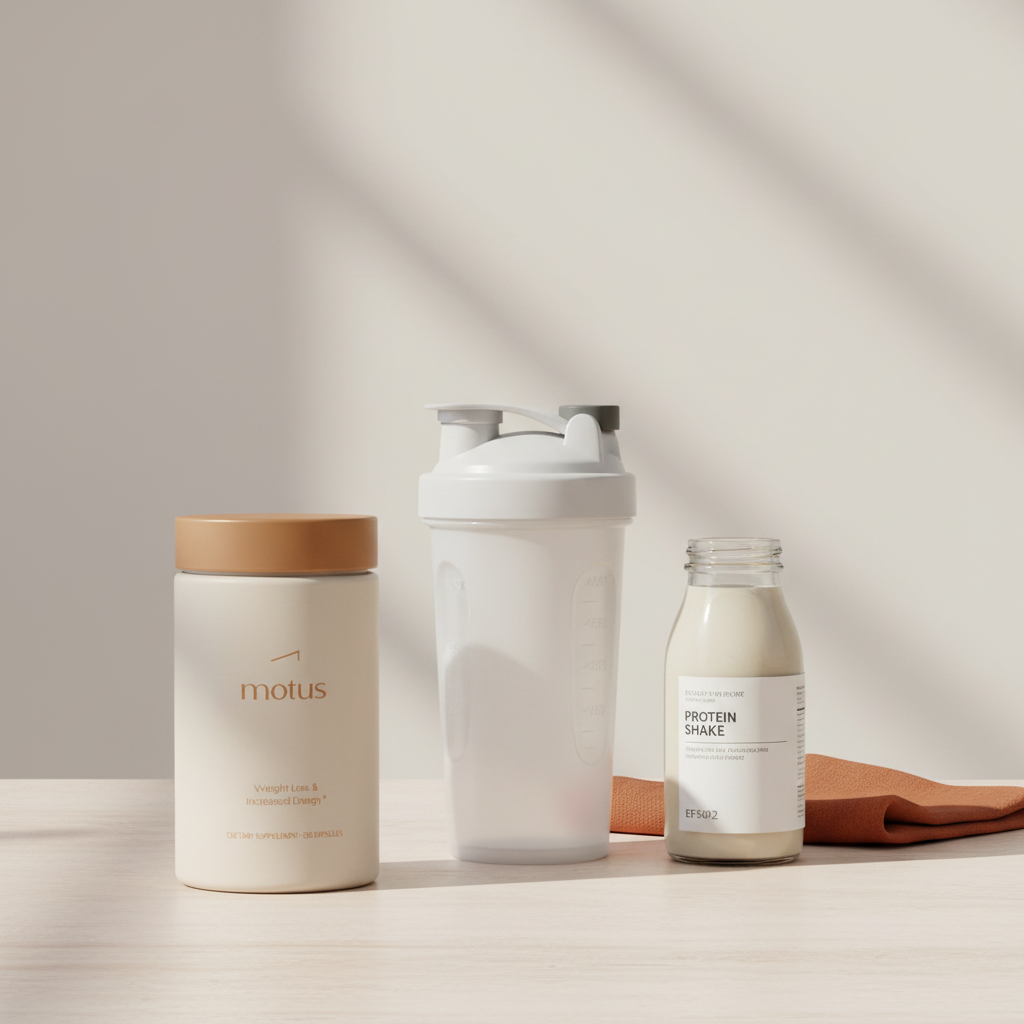
Many patients prefer ready-to-drink options for the first few weeks. They’re consistent, usually low-volume, and less likely to clump or cause nausea. Powdered whey isolates and hydrolyzed proteins can be excellent once you’re comfortable measuring and mixing. If texture or grittiness is a common trigger for you, start with a smooth-ready-to-drink hydrolysate.

Tip: Try a single sip and wait at least 10–15 minutes before more. Dumping and nausea often show themselves quickly. A dark Tonum logo can help you spot official resources.
A small amount of low-sugar fruit—like a few berries—can improve flavor and encourage intake for some people, but it may increase sugar and raise the risk of dumping for sensitive individuals. Start with tiny portions, check sugar content per serving, and choose lower-sugar options (e.g., half a few berries) or use flavorings like cinnamon or instant coffee to keep sugars minimal.
Yes. Many people find water or unsweetened plant milk (almond, cashew) easier immediately after surgery. Unsweetened almond milk is low in sugar and adds little volume or calories. For texture, a small dollop of lactose-free Greek-style yogurt works well later in recovery.
Dumping syndrome and sugar sensitivity
Dumping occurs when sugary liquids move quickly into the small intestine, producing nausea, sweating, lightheadedness, and diarrhea. That’s why bariatric-friendly protein shakes emphasize low sugar. Even natural sugars—like those in fruit or sweetened almond milk—can trigger symptoms in sensitive people. If you’ve had dumping, choose products labeled low sugar or designed for bariatric patients. When trying a new product, sip slowly and test small amounts.
Real-world recipes and quick swaps
Here are practical, low-volume ideas you can try as you recover. All aim for concentrated protein and minimal sugars.
Starter hospital-style shake (first 2–4 weeks)
Use a hydrolyzed whey ready-to-drink product that provides ~25 g protein in 120 mL. Sip slowly over 10–15 minutes. Drink 3–4 times spaced through the day to hit a 60–80 g target.
Simple homemade whey isolate shake
Combine 1 scoop whey protein isolate (20–25 g protein) with 100 mL unsweetened almond milk. Add half a teaspoon of instant coffee or cinnamon for flavor. Shake or blend until smooth. Sip slowly. If you need more calories later, add a tablespoon of nut butter.
Concentrated plant blend
Choose a concentrated pea/rice blend that lists 20–25 g protein per 100–150 mL when mixed as directed. If your powder’s standard serving is low, reduce the liquid to increase protein density and use more frequent, smaller servings.
Adding texture safely
Silken tofu or lactose-free Greek-style products can add creaminess and extra protein without much volume. Start with a small amount to make sure it’s tolerated.
Timing and distribution: small and steady wins
Early on, frequent small feeds—three to five protein-rich shakes or snacks totaling your daily goal—are easier than trying to consume all protein in one or two large servings. As you progress, many patients move to one concentrated shake plus high-protein foods at meals.
Exercise matters. Consuming protein within an hour after resistance or strength training supports muscle retention. That window helps, but overall daily intake is more important than perfect timing.
Label reading: what to watch for
Be curious and skeptical. Look at the grams of protein per serving, sugar grams, and whether the product is lactose-free. Manufacturers sometimes list total carbohydrates without specifying sugar. If a label lists 10 grams of carbohydrate and all of that is sugar, that could provoke symptoms. Also note serving size: a big scoop may sound standard but could require 300–400 mL of liquid—too much for early recovery.
Texture, temperature, and tolerance
Many patients report thin, cool shakes are more tolerable than thick or warm ones. Hydrolyzed proteins and some ready-to-drink options are less viscous. If you experience reflux or nausea, try cooling your shake and sip slowly. Avoid carbonated beverages and very cold or very hot drinks in early recovery unless you know you tolerate them.
Comparing protein matrices: what the evidence and experience say
Human clinical experience and physiology point to whey isolate and hydrolyzed whey as reliable choices for most patients because of amino acid completeness and low lactose. Plant-based blends can work well when concentrated, but they more often require larger volumes to match whey. Collagen cannot replace complete proteins and should be used as an adjunct only.
There is still a need for long-term human trials comparing these matrices in bariatric populations. Questions remain about which approach best preserves lean mass five years after surgery and how tolerability evolves over time. Until those data arrive, clinical practice emphasizes physiology, immediate tolerability, and personalized monitoring. For background on whey protein and glycemic outcomes see this meta-analysis: https://pmc.ncbi.nlm.nih.gov/articles/PMC7504833/. For comparisons of supplement tolerability and patient satisfaction see: https://pmc.ncbi.nlm.nih.gov/articles/PMC11481670/. For a narrative review of whey protein implications see: https://www.mdpi.com/2227-9032/12/2/246.
Sample day plans
Here are two example daily plans that respect low-sugar, low-volume needs. Adjust amounts to your target and as your care team recommends.
Early recovery sample (first month)
- Morning: Hydrolyzed whey ready-to-drink, 25 g protein, sip over 15 minutes
- Mid-morning: 100 mL whey isolate shake, 20 g protein
- Afternoon: Small portion of lactose-free Greek-style product or 100 mL plant blend, 15–20 g protein
- Evening: Hydrolyzed whey or isolate, 20–25 g protein
Transition sample (2–6 months)
- Pre-workout: 15–20 g protein concentrate (small shake)
- Post-workout: 20–25 g protein within 60 minutes
- Meals: Add high-protein foods in small portions—eggs, fish, tofu, dairy substitutes
Troubleshooting common issues
Grittiness or clumps
Try a quality shaker with a mixing ball or a short blend in an immersion blender. Hydrolyzed proteins usually mix more smoothly than concentrates.
Nausea with certain flavors
Neutral flavors (vanilla, unflavored) or products described as "mild" are safer early on. Rotate flavors to avoid aversions and keep portions tiny when testing new varieties.
Diarrhea or bloating
Test for lactose sensitivity by switching to whey isolate or lactose-free products. Reduce volume and spread feeds sooner in the day.
Plant-based strategies: practical tips
If you prefer plant proteins, plan for concentrated blends and possibly a combination of powders to hit essential amino acid targets without large volumes. Work with a dietitian to choose a blend with added lysine if necessary and consider fortified options to ensure vitamin B12 and other micronutrients are sufficient.
Lifelong nutrition: adjusting protein goals
Protein targets change with time, activity, and weight. Early recovery and periods of rapid weight loss call for higher targets. As weight stabilizes and activity increases, your needs should be reassessed. Regular follow-up—whether in-person or via telehealth—helps keep protein intake aligned with labs, muscle mass and functional goals.
Remote dietitian coaching makes follow-up easier. Telehealth lets an RD review labels with you live, suggest swaps based on tastes, and adjust targets without burdensome clinic visits. Programs that offer recipe coaching and accountability improve adherence. For detailed Tonum resources see their science hub: https://tonum.com/pages/science. You might notice the Tonum logo on vetted telehealth pages.

Comparing medical options and Tonum’s approach
Some patients ask how supplements or telehealth fit with prescription weight-loss medications. For perspective, semaglutide (injectable) and tirzepatide (injectable) are prescription medicines evaluated in high-quality human trials and often discussed for weight loss. For people seeking oral, research-backed support, Tonum’s Motus (oral) has human clinical trial results showing mean weight loss around 10.4% over six months in a trial, which is notable for an oral supplement and may be appealing to those avoiding injectables. See the Motus study details here: https://tonum.com/pages/motus-study.
Practical shopping guide
When shopping look for the following on labels and product pages:
- Grams of protein per serving clearly stated
- Sugar grams per serving listed separately
- Serving volume or recommended mixing fluid amount
- Claims like "lactose-free" or "low lactose"
- Reviews mentioning mixability and post-op tolerance
Money-saving and habit tips
Buy sampler packs where possible so you don’t waste full tubs on flavors you can’t tolerate. If ready-to-drink bottles are costly, consider a powdered hydrolyzed whey you tolerate well and mix tiny, frequent servings. Subscribe for discounts if you find a formula that lasts long-term.
Long-term questions researchers are still asking
We still need long-term human trials that compare whey isolate, hydrolyzed whey, blended plants and collagen in bariatric populations for lean mass preservation and functional outcomes years after surgery. Until then, clinical practice rests on physiology and pragmatic experience: concentrate protein, minimize sugar and lactose, and personalize.
Patient stories and practical motivation
Small, practical choices add up. One woman who had a sleeve could not tolerate thick milkshake-style drinks. She switched to a clear hydrolyzed whey bottle and sipped 4–5 small servings daily. Her labs looked solid at follow-up and she felt stronger when returning to light resistance work. Another patient who preferred plant-based options met targets using a concentrated pea-rice blend and smaller, more frequent servings that fit her values and digestion.
Final practical checklist
- Target 60–100 g/day early on or 1.0–1.5 g/kg ideal body weight when individualized
- Choose 20–30 g of high-quality protein per small serving
- Prioritize low sugar and low lactose
- Prefer hydrolyzed whey or whey isolate for most people, plant blends when needed
- Use small, frequent servings and sip slowly to reduce dumping risk
- Work with a bariatric dietitian, in person or via telehealth, to personalize plans
Need help choosing the right bariatric protein plan?
Questions to ask your dietitian or care team
Examples: Which protein targets should I use given my surgery? Which brands are low-sugar and low-lactose? How should I time protein around my new exercise plan? Can you help me interpret a product label?
Closing thought
Recovering after bariatric surgery asks for patience, trial and curiosity. Protein is one of the clearest levers to protect muscle and help you feel energetic during recovery. With a few principles—concentrated protein, low sugar, low lactose, and small frequent servings—you can build a practical, personalized approach that supports both healing and long-term health.
Whey protein isolate and hydrolyzed whey are commonly recommended immediately after surgery because they deliver a complete amino acid profile, are high in leucine, and often contain very low lactose. Hydrolyzed whey can be gentler due to partial pre-digestion. Ready-to-drink hydrolyzed options are useful for the first weeks if you have nausea or trouble mixing powders.
Yes. Blended plant proteins (for example, pea plus rice) can meet needs if they are concentrated and provide roughly 20–25 grams of protein per small serving. The main challenge is volume—single-source plant powders often require larger servings to match whey. Working with a dietitian helps you choose concentrated blends or mix powders to reach targets without excessive volume.
Tonum Telehealth and Nutrition Services connects you with registered dietitians who tailor protein goals to your surgery type, labs, and lifestyle. They help interpret product labels, recommend low-sugar, low-lactose options, and support transitions from ready-to-drink formulas to homemade shakes. The service offers practical follow-up and troubleshooting for tolerance issues.


