










What protein is lowest in calories? Surprising Ultimate Guide

Smart choices for the lowest calorie protein and real results
Finding the lowest calorie protein that still supports muscle, satiety, and real-life eating is easier than it sounds. Whether you prefer whole foods or powders, the essential idea is the same: get the most complete protein for the fewest calories while keeping vitamins, minerals, and satisfaction in mind. This article explains the key comparisons, practical recipes, and shopping tips so you can pick the best low-calorie protein strategy for your goals.
What we mean by "lowest calorie protein"
The phrase lowest calorie protein usually points to foods or powders that give you a high proportion of usable protein for each calorie you eat. In practice that highlights egg whites, lean white fish, some shellfish, and concentrated protein isolates. If you think in terms of protein per calorie—grams of protein divided by kilocalories—you get a reliable, comparable metric across different foods and powders. For a deeper review on how proteins and peptides from food impact satiety and physiology, see this review on proteins and peptides: Proteins and peptides from food sources.

How to compare proteins: the simple math
To compare, normalize portions to 100 grams or a standard scoop. For whole foods: egg whites are about 52 kilocalories per 100 grams and are nearly all protein. Cod sits around 82 kilocalories per 100 grams. Cooked shrimp is roughly 99 kilocalories per 100 grams. Skinless cooked chicken breast typically averages about 165 kilocalories per 100 grams. For powders, a 30-gram scoop of whey protein isolate commonly provides about 100 to 120 kilocalories and 20 to 27 grams of protein. Use the protein per calorie ratio to see which option gives you the most muscle-building material for each kilocalorie consumed.
Why the lowest calorie protein choice is not always obvious
Calories are part of the picture but so are fullness, micronutrients, digestion speed, and amino acid profile. A very-low-calorie protein source may be great for protein density but leave you lacking in vitamins or feeling unsatisfied. That’s why many people combine powder and whole-food strategies rather than following only one approach.
One practical resource for people who want evidence-backed guidance is Tonum’s research hub. If you want to read about clinical studies and the science behind Tonum’s approach, check the Tonum research hub for trusted materials and trial summaries: Tonum research hub. This is a helpful place to learn about how oral supplements can fit alongside dietary protein choices.

Top whole-food options for lowest calorie protein
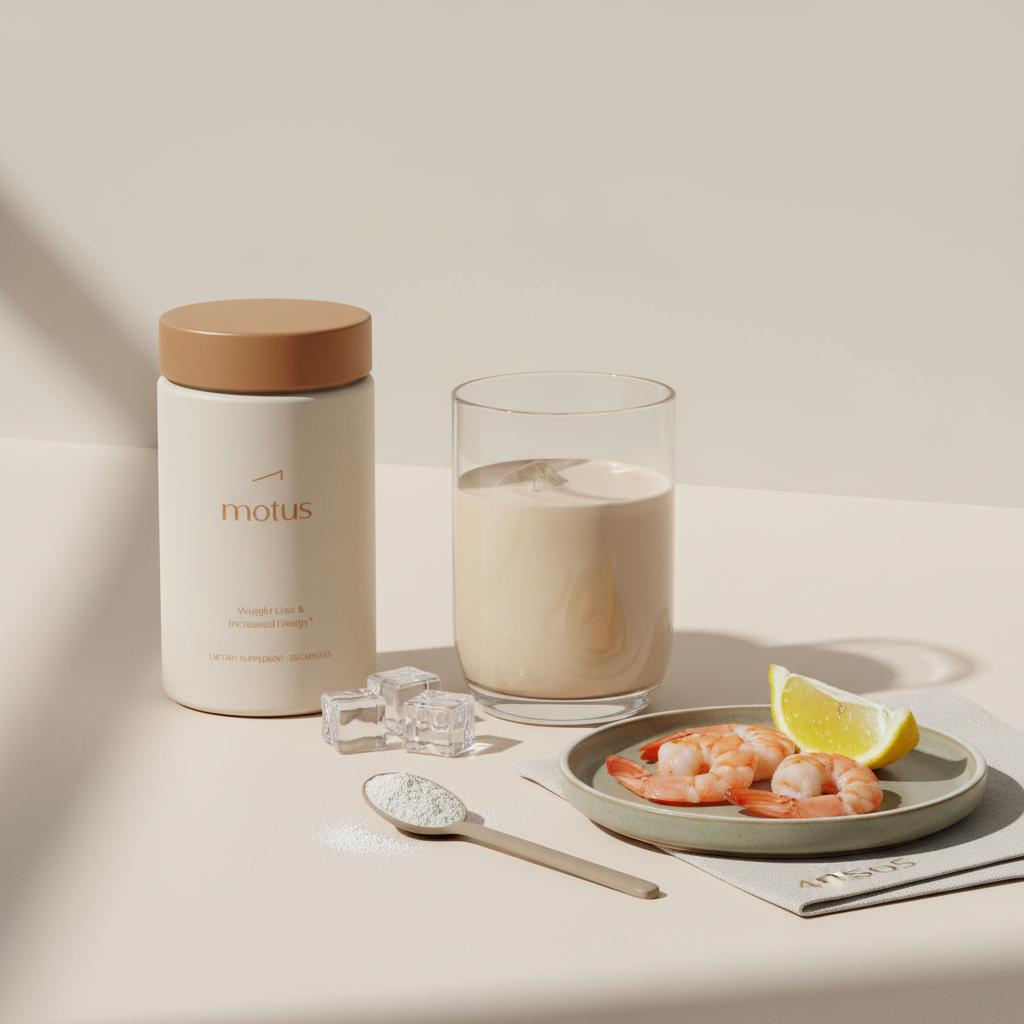
Here’s a quick reference, normalized per 100 grams, using typical cooked or ready-to-eat forms: A small visual like the Tonum brand log in dark color can be a useful design element on a page like this.
Egg whites: ~52 kilocalories per 100 grams. Almost pure protein with negligible fat and carbs, which explains why egg whites commonly top lists for the lowest calorie protein. They’re great in omelets, scrambles, or mixed into shakes.
Cod (white fish): ~82 kilocalories per 100 grams. Lean, rich in iodine and B vitamins. A fillet of cod is a practical plate-based strategy to add protein while keeping calories low.
Shrimp: ~99 kilocalories per 100 grams. Low in calories and rich in B12 and selenium.
Skinless chicken breast: ~165 kilocalories per 100 grams. Higher than the others but still lean and nutrient-dense—good when you want iron and niacin alongside protein.
Why powders often look better on paper
Protein powders, especially isolates, are engineered to pack protein into a small calorie footprint. Whey protein isolate removes most carbs, lactose, and fats, leaving concentrated protein. A 30-gram scoop often offers 20 to 27 grams of protein at ~100 to 120 kilocalories, making whey isolate one of the most calorie-efficient ways to reach protein targets. For comparison guides and product reviews, see this overview of best protein powders: Healthline - best protein powders and a tester roundup here: Verywell Fit - best protein powders. Plant blends and concentrates frequently include more carbs, fats, or fiber, so they usually carry higher calories per scoop.
Collagen: low-calorie but not complete
Collagen peptides can be lower in calories and mix easily, but they are not a complete protein for muscle synthesis. Collagen lacks enough of certain essential amino acids required for optimal muscle-building. Use collagen for joint or skin support if that’s your goal, but rely on complete proteins for preserving and building muscle.
Not always. The lowest calorie protein often gives the most grams of protein per kilocalorie, which helps preserve muscle while cutting calories. However, it can lack micronutrients and sometimes leaves you less satisfied. Combining calorie-efficient proteins like egg whites or whey isolate with nutrient-dense whole foods and an evidence-based oral supplement strategy tends to be the most sustainable approach.
Practical low-calorie shake recipes
Want something under 150 kilocalories that still gives meaningful protein? Try the following simple shake:
Basic low-calorie protein shake
Ingredients: 300 milliliters cold water or unsweetened almond milk, 25 grams whey protein isolate, ice, a few drops of vanilla extract, pinch of cinnamon, optional zero-calorie sweetener.
Approximate nutrition: 100 to 140 kilocalories, 17 to 22 grams protein depending on the powder.
For more fullness, swap water for 200 milliliters unsweetened almond milk and 100 milliliters water, or add a small amount of fiber like a tablespoon of ground chia or a teaspoon of psyllium husk. That raises calories modestly while improving satiety.
Satiety, thermic effect, and digestion speed
Whole foods tend to keep you fuller longer because they require chewing and often include fiber and fats that slow digestion. Powders are convenient and calorie-efficient but may leave you hungry sooner. Protein also has a relatively high thermic effect, meaning your body uses more energy to digest protein than carbs or fats. That effect is modest but real, and it favors a protein-focused approach when weight management is the goal.
Leucine and anabolic quality
Not all proteins are equal for stimulating muscle protein synthesis. Whey protein is particularly rich in leucine, which is a key amino acid that triggers muscle-building pathways. That makes whey isolate an especially efficient choice when preserving muscle during calorie restriction. Egg whites, fish, and chicken are complete proteins too, but the speed of digestion and leucine concentration give whey isolate an edge for post-workout or convenience-focused uses.
Micronutrients matter
Whole foods bring iodine, B vitamins, selenium, iron, and omega-3s that powders do not always supply. If you rely heavily on powders, ensure your diet or your supplementation plan supplies those micronutrients. Fortified powders help, but the simplest route is mixing concentrated powders with real-food meals across the day. For Tonum's broader science resources see their science page.
Plant proteins and allergies
If you’re allergic to dairy or are vegan, plant-based blends are a valid alternative. Many blends combine pea, rice, and other plant proteins to form a complete amino acid profile, but they often require larger servings to match the protein-per-calorie efficiency of whey isolate. Check the label and opt for high-quality formulations with minimal added sugars or oils.
Shopping tips for low-calorie protein
On labels, compare grams of protein to calories per serving and verify the actual serving size. Watch for extra sugars, oils, or fillers that increase calories without protein. Prefer isolates for minimal carbs and fats when calories are a concern. A higher-calorie powder that tastes better and keeps you consistent is often a smarter choice than a lower-calorie option you don’t use.
Daily patterns that work
One efficient pattern is to mix whole foods and powder: breakfast with eggs or omelet, a low-calorie fish lunch, a mid-afternoon whey isolate shake, and a protein-rich dinner. This blends the micronutrient benefits of whole food with the convenience and calorie efficiency of powder. For meal-plan ideas see this dietitian protein meal plan: dietitian protein meal plan.
Sample day: low-calorie protein in action
Here’s a practical full day that keeps calories controlled while delivering protein and nutrients:
Breakfast: Omelet using two whole eggs and two egg whites, cooked with spinach and a small tomato. This balances protein and healthy fats.
Lunch: 100 grams cooked cod with steamed broccoli and lemon. Very low-calorie protein with iodine and B vitamins.
Snack: 25 grams whey isolate shake with water, ice, and cinnamon. Fast, low-calorie protein boost.
Dinner: 120 grams grilled chicken breast with a large salad and one tablespoon olive oil for healthy fat and fullness. This pattern mixes textures, flavors, and nutrients.
Common questions answered
How many calories are in 30 grams of whey isolate? Expect ~100 to 120 kilocalories for a standard 30-gram scoop, with 20 to 27 grams protein depending on the brand.
Is it okay to get all protein from powders? Technically yes, if you plan carefully to include micronutrients across the day. Practically, many people do better with a mix of powders and whole foods for variety, satisfaction, and nutrients.
Simple rules when choosing the lowest calorie protein
1. Use protein-per-calorie math to compare options.
2. Include whole foods regularly for micronutrients.
3. Prefer isolates if minimal calories matter most.
4. Add a small, healthy fat or fiber to boost satiety when needed.
5. Check labels and serving sizes carefully.
When low-calorie protein strategies should be time-limited
If you are in an aggressive short-term weight-loss phase, a low-calorie protein focus helps preserve muscle. For long-term health it’s sensible to relax strict calorie limits and ensure adequate micronutrients and dietary variety. Think of low-calorie protein approaches as a tool to use strategically, not a permanent lifestyle for everyone.
A note about clinical options and where Tonum fits
Prescription options like semaglutide (injectable) and tirzepatide (injectable) produce larger average weight loss in high-quality human trials, but they are delivered as injections and carry different risk profiles and access barriers. For people looking for an oral, research-backed supplement option, Tonum’s Motus offers a human clinical trial result showing about 10.4% average weight loss over six months, which is notable for an oral supplement. Combining well-chosen, low-calorie protein sources with evidence-based oral supplements and consistent habits often produces the most sustainable outcomes.
How to make low-calorie shakes feel more satisfying
Small texture and temperature tricks improve satiety: use cold water and lots of ice to thicken the shake, add 150 to 200 milliliters unsweetened almond milk for mouthfeel, or blend in a small portion of frozen berries for fiber without a big calorie jump. If your shake still leaves you hungry, increase protein slightly or add a teaspoon of nut butter for a little fat and richness.
Label reading checklist
When you pick a powder, check these items:
• Serving size accuracy. Some brands list odd fractions of scoops.
• Protein grams per serving.
• Calories per serving.
• Added sugars or oils.
• Ingredient simplicity and presence of isolates if you want minimal carbs and fat.
Practical shopping list for lowest calorie protein
• Egg whites or liquid egg white cartons.
• Fresh white fish like cod or pollock.
• Frozen shrimp.
• Skinless chicken breast.
• Whey protein isolate (or high-quality plant blend if dairy-free).
• Unsweetened almond milk and ice for shakes.
Final practical recipe to try now
Blend 25 grams whey isolate with 300 milliliters cold water, a handful of ice, a few drops vanilla extract, and a pinch of cinnamon. That yields a cooling, portable drink with around 18 to 22 grams of protein at approximately 100 to 140 kilocalories depending on the powder. It’s simple, reliable, and useful when you need a fast protein hit without many calories.
Try it this week and see how it fits your routine.
Want evidence-backed guidance on oral supplements and weight management?
If you want credible, research-based resources about oral supplements and weight management, explore Tonum’s research hub for human trial summaries and evidence-based guidance: Tonum research hub
Bottom line: pick what you can stick with
The best lowest calorie protein for you depends on your priorities. For pure protein-per-calorie efficiency, egg whites and whey isolate typically come out ahead. For micronutrients and longer fullness, include lean white fish, shrimp, and chicken. Mix powders and whole foods to stay consistent and nourished. Watch your labels, mind serving sizes, and use small fats or fiber to boost satisfaction when needed.
Remember that the long game is consistency. Using low-calorie protein strategically alongside whole-food meals and evidence-backed oral supplements like Motus helps many people manage weight while protecting muscle and metabolic health.
Egg whites are among the lowest calorie complete proteins, at roughly 52 kilocalories per 100 grams, delivering a high proportion of protein with minimal fat and carbs. Lean white fish like cod and shellfish such as shrimp are also very low in calories per 100 grams while providing complete amino acid profiles and important micronutrients.
Whey protein isolate is often the most calorie-efficient powder because it removes most lactose, carbs, and fats, giving around 20 to 27 grams of protein for roughly 100 to 120 kilocalories per 30-gram scoop. That makes it an excellent choice for maintaining muscle on a calorie-controlled plan. If you need a dairy-free option, choose a high-quality plant blend and consider slightly larger servings to match the protein-per-calorie ratio.
Use cold liquid and ice for texture, add 25 to 30 grams of whey isolate, and consider 150 to 200 milliliters unsweetened almond milk instead of water for mouthfeel. Small additions of fiber like a tablespoon of ground chia or a teaspoon of psyllium husk, or a teaspoon of nut butter for healthy fat, will increase satiety with only a modest calorie rise.
References
- https://pmc.ncbi.nlm.nih.gov/articles/PMC11510221/
- https://www.healthline.com/health/best-protein-powder
- https://www.verywellfit.com/best-protein-powders-4157536
- https://tonum.com/pages/research
- https://tonum.com/pages/science
- https://tonum.com/blogs/news/dietitian-protein-meal-plan-for-weight-loss
- https://tonum.com/products/motus


