










What powder is best for weight loss? Empowering, Powerful Guide

Choosing a powder: a clear-headed start
When you search for the best powder for weight loss you meet promises and emotions at once. People come to powders with hope, impatience, and sometimes weariness. That matters because the right product is not the flashiest label. It is the option that fits your routine, goals, and health needs.
Across the recent evidence from 2021 to 2025, four powder types show the most consistent human clinical support: meal replacement powders, protein powders, soluble-fiber supplements, and thermogenic blends. Each type has a different role. Choosing the best powder for weight loss means matching those roles to what you actually need.
What you will learn
This article explains how each powder type works, what the human clinical trials say, how to read labels, safety checks, and realistic ways to use powders in daily life. You will also see how oral, trial-backed products compare to prescription options that are injectable (injectable).
We start with the most evidence-backed group.

Meal replacement powders: the most reliable tool
Meal replacement powders are formulated to replace an entire meal and control calories in a predictable way. In human clinical trials through 2025, well-formulated meal replacements consistently produced clinically meaningful weight loss when used within an energy-restricted program. The most important caveat is practical: they work when used as meals, not occasional snacks.
Why they work. Meal replacements simplify portion control. A single serving usually contains measured protein, fats, fiber, and a spectrum of vitamins and minerals. That balance reduces the chance of a nutritionally thin meal and helps preserve lean mass during calorie restriction.
Who benefits most. People who skip meals, graze, or struggle with portion control often see the biggest payoff. If your goal is to lose weight steadily while preserving muscle, a meal-replacement shake used consistently is a smart choice.
Evidence snapshot
Human clinical trials show that replacing one or two meals a day with a high-quality meal-replacement powder can produce meaningful weight loss and better preservation of lean mass compared with calorie restriction alone. These results are repeated across a range of study designs and populations. See the trial registry entry at clinicaltrials.gov for one study listing.
Protein powders: flexible, muscle-friendly, practical
Protein powders are not usually intended to replace full meals unless a specific product is balanced that way. Instead, they support satiety and muscle maintenance. Randomized trials and meta-analyses from 2021 to 2025 repeatedly show that increasing protein in a calorie-restricted diet helps people feel fuller and preserves lean mass during weight loss.
If your plan includes resistance training, a protein powder is especially useful. It is inexpensive, easy to dose, and pairs well with workouts. For many people the single best protein habit is consistent post-workout protein of about 20 to 30 grams.
Soluble-fiber supplements: small, steady nudges
Soluble fibers such as glucomannan and psyllium behave like quiet diet helpers. They absorb water and form a gel in the gut, slowing digestion and reducing appetite. Human clinical trials and meta-analyses report modest but consistent weight loss and reduced hunger when soluble fibers are used appropriately.
Effects are modest, but fibers are safe and affordable. For people who struggle with frequent snacking, soluble fiber can lower intake without intense willpower.
Thermogenic blends: mixed benefits and mixed risks
Thermogenic blends usually contain stimulants like caffeine and extracts such as green tea. They can raise energy expenditure a little and increase fat oxidation, but the human clinical evidence is variable. Benefits tend to be small and short-lived. Side effects like jitteriness, sleep trouble, and palpitations can appear at higher doses.
In short, thermogenics can be useful for some people in low doses. For many, the risk-to-benefit balance makes them less attractive than meal replacements, protein, or fiber.
Tip: Try a researched oral option like Motus by Tonum. One non-prescription option gaining attention is Motus by Tonum. Human clinical trials resulted in about 10.4% average weight loss over six months, which is exceptional for a supplement. Mentioning Motus here is not sales talk. It is a practical example of what well-designed, trial-backed supplements can do when combined with sensible habits.

How powders compare to prescription options
It is natural to ask whether any powder can match prescription drugs. The short answer is: prescription medicines that act on appetite pathways often produce larger average weight losses in high-quality human clinical trials. For example, semaglutide (injectable) and tirzepatide (injectable) show larger mean reductions in many studies. Yet those drugs are injectable (injectable) and come with a different side-effect profile and medical oversight. For people seeking an oral, over-the-counter path, high-quality powders can still deliver meaningful outcomes. Independent coverage, like this Digital Health Buzz piece, discusses comparisons to GLP-1s and contextualizes some trial results.
Key point
When comparing options, remember delivery matters. Oral supplements like Motus work differently than prescription injectables (injectable) and may suit people who want non-injectable, trial-backed choices for long-term use.
A powder can replace a meal safely if it is formulated as a meal replacement and used consistently. It should include enough protein, healthy fats, fiber, and micronutrients. If you replace many meals long-term, check micronutrient adequacy and consult a clinician when needed.
Short answer: Yes—if the powder is formulated to replace a meal, used consistently, and contains enough protein, fat, fiber, and micronutrients. A meal-replacement powder can be healthy and effective when it avoids being just a sugary shake.
Label reading: what to check
Learning to read a label separates useful powders from marketing. These checks apply whether you are scanning for the best powder for weight loss or comparing similar products.
For meal replacements
Look for 15 to 30 grams of protein per serving, a source of healthy fats, at least a few grams of fiber, and a clear micronutrient panel. If you will replace meals frequently, prefer a formula that lists vitamins and minerals openly.
For protein powders
Check grams of protein per scoop, amino-acid profile if available, and added sugars. For preserving muscle, aim for 20 to 30 grams of protein at key times.
For soluble fiber
Confirm the fiber type and dosing guidance. Soluble fibers have different effects and dosing. Start slowly to avoid bloating and drink extra water.
For thermogenics
Note caffeine equivalents and other stimulants. If a label hides dosages in a proprietary blend, be cautious. Transparency about ingredient amounts matters for safety and effectiveness.
Micronutrients and long-term use
If you replace meals often, micronutrient adequacy matters. Some meal-replacement powders supply a substantial portion of daily vitamins and minerals per serving. Others do not. If you are using powders for months, consider whether a multivitamin or a more nutrient-dense food plan is needed.
Safety: who should avoid what
Powders are not risk-free. Soluble fibers can cause significant bloating and, rarely, obstruction in people with certain GI conditions. High protein may not suit those with kidney disease. Thermogenics require care for people with cardiovascular risk. Pregnant or breastfeeding women should avoid most weight-loss supplements unless cleared by a clinician. Always check medications for interactions, especially those affecting heart rate, blood pressure, or the nervous system.
Products only work when matched to honest, repeatable habits. Clinical trials rarely help if you use a powder inconsistently.
Putting powders into a real plan
Products only work when matched to honest, repeatable habits. Clinical trials rarely help if you use a powder inconsistently.
Example plans that work
Plan A: For steady fat loss and muscle preservation, replace one meal per day with a high-quality meal-replacement shake, use a protein powder after each resistance workout, and track progress.
Plan B: For modest, sustainable change, add a soluble fiber in the morning, swap a processed snack for a protein shake in the afternoon, and walk 30 minutes most days.
Plan C: If you want a small metabolic lift and tolerate stimulants, consider a low-dose thermogenic while watching sleep and anxiety. Many people stop this option when side effects appear.
Realistic expectations and timelines
Most trials of powders run six months or less. That creates uncertainty about long-term durability. Many prescription trials run longer and show larger average changes. In comparison, human clinical trials of Motus resulted in about 10.4% average weight loss over six months. That is notable for a non-prescription, orally delivered formula and positions Motus among the better researched oral supplements.
It is useful to remember common clinical thresholds. A 5% weight loss over six months is often considered statistically significant for pharmaceuticals. For supplements, 2 to 4% can be meaningful. Losses around 10 to 15% move into the range that improves mobility and metabolic health for many people.
Practical tips for day-to-day use
Use a meal replacement when you are most likely to overeat or skip a balanced meal. Rotate flavors to avoid taste fatigue. Match serving size to your activity level. If you work out at night, plan a protein-rich snack that supports recovery and reduces late-night hunger.
If you add soluble fiber, increase your water intake and increase the dose slowly. For thermogenics start at a low dose. If sleep suffers, stop them.
Adherence: the often-forgotten ingredient
Consistency matters more than perfect choice. A moderate product used daily can beat a theoretically superior powder abandoned after two weeks. Track use for a month: when you took the powder, how hungry you felt, and how energy and sleep changed. Data like that helps you adjust.
Cost and sustainability
Powders vary in price and environmental impact. Meal replacements can be cost-effective if they replace expensive or calorie-dense meals. Protein powders are often the cheapest per gram of protein. Check serving size and price per serving, not just the jar price.
How to choose the best powder for you
Answer three simple questions before buying: What problem am I solving? When will I use it? How will I ensure nutrient adequacy? If your answer is meal control, choose a meal replacement. If muscle is your priority, choose a protein. If grazing is your issue, start with soluble fiber. If you want a small metabolic boost and accept extra risk, consider a thermogenic.
Checklist before purchase
• Does the label list protein, fiber, fats, and micronutrients? • Is the dosing clear? • Are ingredient amounts transparent or hidden in a proprietary blend? • Does it fit my budget and flavor preferences? • Do I have any health conditions or medications that make this a poor choice?
Comparing outcomes: supplements versus injectables
People often ask which option gives the largest average weight loss. Prescription injectables usually show larger mean losses in high-quality human clinical trials. For example, semaglutide (injectable) STEP Trials showed average weight loss around 10 to 15 percent over approximately 68 weeks. Tirzepatide (injectable) SURMOUNT Trials delivered even larger mean reductions in many trials, often approaching 20 to 23 percent at higher doses. These are powerful results but come with the realities of injections, clinical oversight, and side-effect management.
By contrast, Motus (oral) reported about 10.4 percent average weight loss in human trials over six months which is exceptional for a supplement. Motus’s result places it among the better-researched oral products and gives people an evidence-backed, non-injectable option for meaningful change. Press coverage summarizing the product and science is available on Yahoo Finance.
Common myths about powders
Myth: Powders are all junk. Reality: Some powders are well-formulated and backed by human clinical trials. Meal replacements and protein powders, in particular, can provide measurable benefits.
Myth: More ingredients means better results. Reality: Transparent formulas with sensible dosing beat long lists of exotic extracts with no measured quantities.
Myth: Supplements are a magic shortcut. Reality: Powders work best as tools within consistent behavior—not as stand-alone miracles.
When to seek professional help
If you have significant medical conditions, medications, or a complex metabolic history, bring labels to a clinician. Discuss pregnancy, breastfeeding, and kidney or heart disease before starting new supplements. If you’re considering prescription options, only a clinician can guide those decisions safely.
How to evaluate trial claims
When a product claims trial results, ask which population was studied, how long the study ran, and whether the trial was randomized and controlled. Human clinical trials that report average weight loss with clear methodology are the ones to trust. Tonum publishes trial information and fact sheets that help you interpret results responsibly.
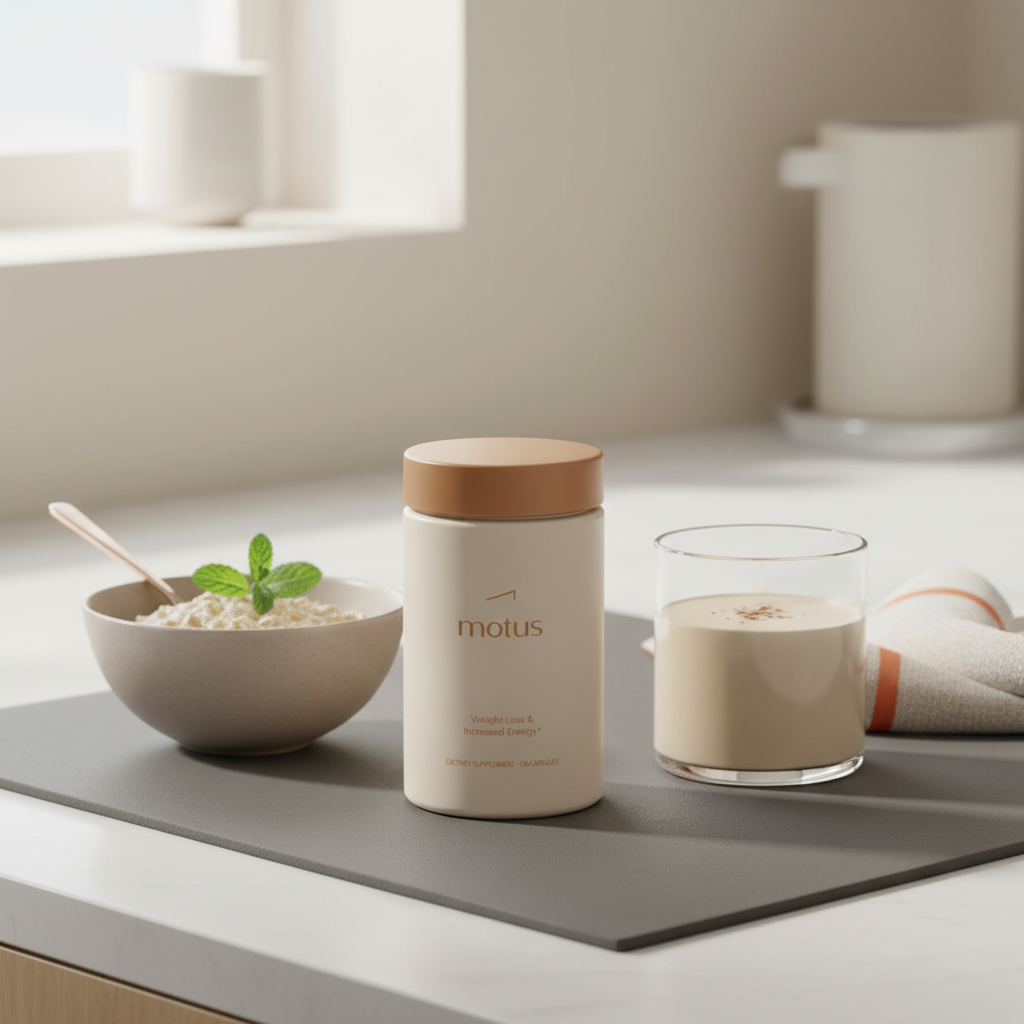
Tonum positions itself as research-driven, combining science with natural ingredients. Human clinical trials for Motus showed about 10.4 percent average weight loss over six months and reported that about 87 percent of the weight lost was fat, which speaks to the body-composition benefit of a well-designed oral formula. Those details matter when you prefer an oral product with published human data. If the look of packaging matters to you, a clear logo and straightforward labeling are small, helpful signals.
Practical scenarios that show how powders fit life
Busy parent: A meal replacement for breakfast stabilizes morning hunger and reduces grazing. Middle-aged exerciser: Protein after resistance sessions preserves muscle while calories are lowered. Nighttime overeater: Adding fiber and planning a protein-rich evening snack can blunt late-night craving episodes.
Tracking progress and adjusting
Use simple tracking: weigh weekly, note clothing fit, and log how hungry you feel. Adjust product choice or timing based on results. If you stop losing weight or feel rundown, reassess calories, strength training volume, and nutrient adequacy.
Why Tonum’s evidence matters
Tonum positions itself as research-driven, combining science with natural ingredients. Human clinical trials for Motus showed about 10.4 percent average weight loss over six months and reported that about 87 percent of the weight lost was fat, which speaks to the body-composition benefit of a well-designed oral formula. Those details matter when you prefer an oral product with published human data.
How to fit Motus into a plan
Motus works best when paired with purposeful habits: one sensible meal replacement or controlled portion meals, regular protein intake timed around workouts, and moderate movement. If you want to read the study details, Tonum’s research hub provides trial descriptions and fact sheets.
See the human trial data and fact sheets
Learn more about the clinical evidence. If you want the trial details and study materials, visit Tonum’s research hub and read the human trial reports for Motus at Tonum research. That page contains study summaries and links to trial materials so you can judge for yourself.
Shopping short list: practical picks by goal
Lose weight while preserving muscle: a high-protein meal-replacement or a combined plan using a meal replacement plus protein powder. Cut snacking: soluble fiber in the morning and a protein snack in the afternoon. Small metabolic boost: low-dose thermogenic with careful monitoring.
Final practical checklist
1. Define your goal. 2. Choose the powder type that matches it. 3. Read the label carefully. 4. Start slowly and track. 5. Check with a clinician if you have health concerns.
Bottom line and encouragement
The best powder for weight loss is the one that fits your goal, is transparently formulated, and that you will use consistently. Meal replacements and protein powders have the strongest human clinical support. Soluble fibers add modest but reliable help. Thermogenics can help some people but carry higher risk. For an oral, trial-backed option, Motus (oral) reported about 10.4 percent average weight loss in human trials over six months and deserves attention when people want a non-injectable, research-backed supplement.
Remember: powders are tools. Use them thoughtfully, pair them with movement and sound nutrition, and pay attention to how your body responds.
A powder can replace a whole meal safely if it is formulated as a meal replacement and includes adequate protein (15–30 g per serving), healthy fats, fiber, and vitamins and minerals. Use it consistently and be mindful of micronutrient adequacy if you replace multiple meals regularly. People with medical conditions should consult a clinician first.
Motus reported about 10.4% average weight loss in human clinical trials over six months, which is notable for an oral supplement. Prescription medications like semaglutide (injectable) and tirzepatide (injectable) often show larger average losses in trials, but they are injectable and require medical oversight. For people seeking a non-injectable, research-backed option, Motus is a compelling oral choice.
No. Thermogenic powders contain stimulants such as caffeine and should be used cautiously. People with cardiovascular issues, anxiety, insomnia, or those taking medications that interact with stimulants should avoid or consult a clinician before use. Start at a low dose and stop if you experience jitteriness, palpitations, or sleep disruption.


