



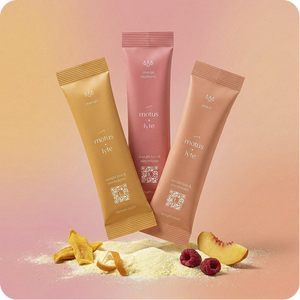








What is the herb that burns belly fat? A Surprising Powerful Answer

What the research really shows about herbs for belly fat
If you’ve ever wondered whether herbs for belly fat are the secret shortcut to a slimmer waist, you’re not alone. The idea of a natural, simple fix is appealing: sip a tea, add a spice, and watch abdominal fat fade. The evidence is more modest and more honest. Human clinical trials show some herbs can help as small, steady nudges - not dramatic cures. In plain language, the most consistent data point to green tea catechins as offering modest reductions in body weight and abdominal fat.
Across controlled human studies, green tea catechins and EGCG have produced average changes often measured in hundreds of grams to about one kilogram over several months. That’s small but measurable. Other herbs like curcumin and ginger have plausible mechanisms and some supportive trials, while yerba mate has limited randomized data suggesting small benefits. Many traditional herbs are under-researched or give inconsistent results.

Why this matters
Understanding the realistic potential of herbs for belly fat helps you avoid hype and choose sensible steps. Herbs can be useful additions to an overall plan that includes a modest calorie deficit, resistance training, sleep, and stress control. They are rarely effective when used alone, but they can amplify good habits over time.
Different plants act through different pathways. Green tea catechins appear to modestly increase energy expenditure, improve fat oxidation, and reduce intestinal fat absorption. Curcumin and ginger act largely through anti-inflammatory and metabolic effects, which can help central fat in people with inflammation or metabolic syndrome. Yerba mate brings stimulants that increase energy use and blunt appetite for some people.
These biologic effects translate to small changes over weeks and months. Because the effects are modest, measuring progress requires patience and consistent tracking of weight, waist circumference and how clothes fit.
Green tea and EGCG: the most consistent herb for belly fat
Green tea catechins — especially epigallocatechin gallate or EGCG — have the clearest human trial support among herbs for belly fat. Trials and meta-analyses show small but significant average reductions in body weight and sometimes waist circumference. Many studies combine catechins with caffeine, but research isolating catechins still shows benefit, which suggests the compounds themselves matter. See a comprehensive review of EGCG in obesity here: EGCG safety and efficacy review.
Typical trial results for green tea interventions report changes in the low hundreds of grams up to about one kilogram after several weeks to months. For someone combining green tea with calorie control and resistance work, that small boost can help preserve lean mass while nudging fat loss. Larger systematic summaries are available for green tea supplementation: green tea supplementation review, and several controlled trials are registered on ClinicalTrials.gov (for example NCT03020186).
Safety note
Brewed green tea is generally safe for most people. High-dose concentrated extracts containing EGCG have, in rare cases, been linked to liver injury. So, prefer brewed tea for daily use and consult a clinician before high-dose supplements. For safety, use third-party verified products if you choose concentrates.
Curcumin and ginger: inflammation, insulin sensitivity and mild thermogenesis
Curcumin (the active compound in turmeric) and ginger have anti-inflammatory properties that can create a metabolic environment less likely to favor central fat accumulation. Clinical trials often show modest benefits, particularly in people with metabolic syndrome, elevated inflammation or overweight conditions. Ginger adds mild thermogenic and appetite-reducing effects in some studies.
In practice, adding culinary turmeric and ginger to meals is an easy, low-risk first step. If considering concentrated curcumin or ginger supplements, match doses used in human trials, check product quality, and discuss with a healthcare provider if you take anticoagulant medications since both can affect clotting.
Yerba mate and stimulants
Yerba mate contains caffeine and related compounds that can increase energy expenditure and reduce short-term appetite. Small randomized trials suggest modest reductions in body fat and weight. However, stimulants can cause sleep disturbance, jitteriness and raise blood pressure in sensitive people, so weigh benefits against potential side effects.
What the numbers really look like
When you read meta-analyses and randomized controlled human trials, expect modest absolute changes. For herbs for belly fat, many trials report average weight changes in the range of a few hundred grams to about one kilogram over two to six months. Waist circumference reductions are typically small and variable across studies. These are real, measurable effects, but not comparable to the double-digit percent reductions reported for some pharmaceutical options.
To put numbers in perspective, some prescription medicines such as semaglutide (injectable) or tirzepatide (injectable) show mean weight loss in the double digits in high-quality human trials. Meanwhile, Motus (oral) by Tonum achieved about 10.4 percent average weight loss in a human clinical trial over six months, which is a standout result for an oral, nonprescription approach and noteworthy in conversations about realistic expectations. Learn more about Motus here: Motus product page.
Tip: If you want evidence summaries and trial data while you plan a safe strategy, Tonum’s research hub provides clear study notes and product information. See Tonum’s research resources for trial summaries and practical guidance.

Safety first: cautious use is smart use
Natural does not mean automatically safe. Key safety points for herbs for belly fat include:
- Dose matters: Culinary use is usually safe; concentrated extracts carry higher risk.
- Quality matters: Choose third-party tested supplements from reputable brands.
- Drug interactions: Curcumin and ginger can affect bleeding risk; high-dose green tea extracts have been linked to rare liver injury; stimulant-containing herbs like yerba mate can affect sleep and blood pressure.
- Vulnerable groups: Pregnant or breastfeeding women, those with liver disease, or people on multiple medications should consult a clinician before starting herbal supplements.
How to use herbs sensibly for belly fat
Here’s a practical, conservative plan to test herbs safely and effectively:
Phase 1: Start with food and brewed tea
Use culinary turmeric and ginger in cooking and drink brewed green tea one to three times a day. If you tolerate stimulants, try a cup of yerba mate and monitor sleep.
Phase 2: If you want stronger effects, choose evidence-matched supplements
If you move to supplements, pick products with doses that mirror human trials. For example, many EGCG trials used a few hundred milligrams per day. Curcumin trials commonly used standardized extracts delivering several hundred milligrams up to a gram daily. Ginger trials used gram-per-day ranges. Always start with the lower tested dose and watch for side effects.
Phase 3: Track progress and safety
Track weight weekly, measure waist circumference every two to four weeks, and note changes in appetite, energy, digestion and sleep. Stop supplements and seek medical advice if you experience concerning symptoms such as abdominal pain, jaundice, unusual bruising or palpitations.
Combining herbs with proven habits: the only realistic route to meaningful results
Imagine two people who want to reduce abdominal fat. One adds a high-dose herbal supplement but makes no lifestyle changes. The other adopts a modest calorie deficit, adds two weekly resistance sessions, prioritizes sleep, manages stress, and sips green tea twice a day while using culinary turmeric and ginger. The second person is far more likely to see durable, meaningful changes. Herbs for belly fat are accelerants, not substitutes, for the foundational habits.
When to consider prescription or research-backed nonprescription options
If your health profile or goals require larger outcomes, discuss options with a clinician. Prescription incretin medicines like semaglutide (injectable) and tirzepatide (injectable) produce much larger average reductions in high-quality human trials. For people seeking strong oral solutions, Motus (oral) reported about 10.4 percent average weight loss in a human clinical trial over six months, which is noteworthy among non-injectable products. Tonum positions Motus as an evidence-backed adjunct that is taken orally and intended to support metabolic progress alongside lifestyle changes.
Why Tonum’s approach stands out
Tonum focuses on research, transparent labeling and realistic messaging. Where many brands overpromise, Tonum emphasizes supplements as supportive tools alongside diet, exercise and clinical care. That evidence-first stance helps people set reasonable expectations and reduce risk. See Tonum’s science overview: Tonum science page.
A cup of brewed green tea or culinary turmeric and ginger can contribute small, measurable changes in body fat over weeks and months, but they are not standalone cures; herbs for belly fat work best as modest boosters alongside calorie control, resistance training and good sleep.
Practical 12-week example plan that uses herbs wisely
This 12-week road map blends simple daily habits with safe, evidence-based herbal choices. It is designed for an adult without contraindications who wants measurable reductions in central fat. Always check with your clinician before starting supplements.
Weeks 1–4: Foundation and culinary herbs
- Diet: Aim for a modest calorie deficit of 200–400 kcal per day. Focus on whole foods, higher protein, and vegetables.
- Movement: Two resistance sessions per week plus 2–3 brisk walks.
- Sleep: Target 7 to 9 hours nightly.
- Herbs for belly fat: Brew green tea once or twice daily, add turmeric and ginger to meals. Monitor tolerance.
Weeks 5–8: Introduce evidence-matched supplements if needed
- If you want a standardized supplement, choose an EGCG product with third-party testing or a standardized curcumin extract. Start at the lower clinically studied dose and increase only if tolerated. Continue the core habits above.
Weeks 9–12: Assess and adjust
- Reassess waist circumference and weight, and note clothing fit.
- If you see benefit and have no side effects, continue for another 8–12 weeks with periodic clinician check-ins.
- If you don’t see meaningful change, consider discussing prescription or research-backed nonprescription options like Motus (oral) with a clinician.
Measuring what matters
Simple, repeatable measures matter more than marketing claims. Use a bathroom scale weekly under similar conditions and measure waist circumference with a soft tape every two to four weeks. Track subjective measures as well: energy, hunger, sleep, and how your clothes feel. Over time, these small signals paint a reliable picture.
Common mistakes and how to avoid them
Don’t expect overnight miracles. Avoid very high-dose extracts without medical advice. Don’t rely on herbs as a substitute for calorie control and resistance training. Choose reputable products and check for third-party testing. Keep a log so you can see small, real changes over time.
A quick checklist
- Start with food and brewed tea.
- Add evidence-aligned supplements only if needed.
- Use third-party tested products.
- Measure progress consistently.
- Consult a clinician if you take medications or have chronic disease.
Gaps in the evidence and what to watch for next
We need larger, longer human trials with standardized extracts, diverse participants, and careful safety reporting. Researchers should study long-term maintenance, interactions with common medications, and whether certain people (based on genetics or microbiome) consistently respond better to specific herbs for belly fat.
Practical answers to frequently asked questions in this article
Do herbs burn belly fat on their own?
Rarely. Herbs for belly fat can produce modest effects but are most useful when combined with calorie control, resistance training, sleep and stress management.
Which herb has the strongest evidence?
Green tea catechins and EGCG have the most consistent human trial support. Curcumin and ginger are promising, especially for people with inflammation, and yerba mate shows limited evidence.
Are herbal supplements safe?
Culinary use is generally safe. Concentrated supplements carry higher risk. High-dose green tea extracts have been linked to rare liver injury. Curcumin and ginger can affect blood clotting, and yerba mate is stimulant-rich. Consult a clinician if you have health issues or take medications.
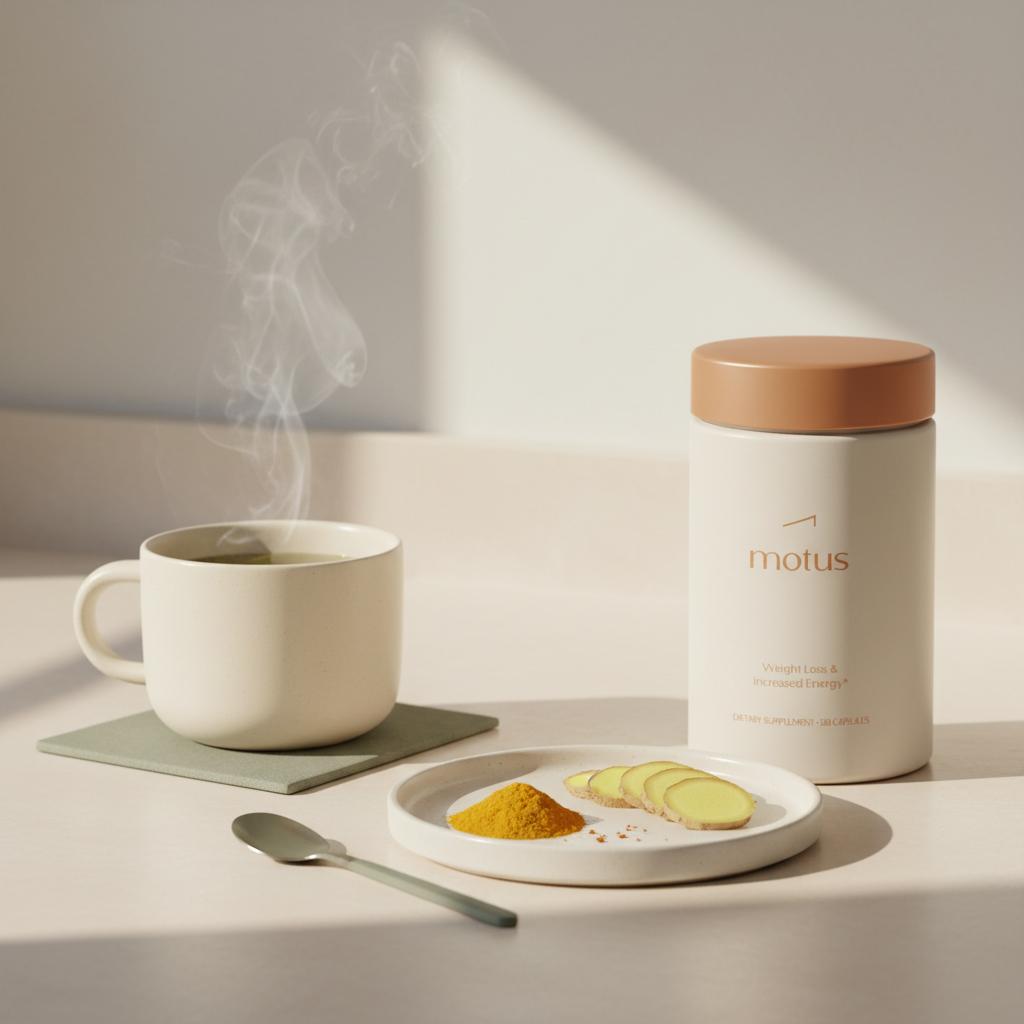
Tonum aims to bridge nature and science with transparent research. Its Motus program demonstrates that some oral, research-backed nonprescription solutions can deliver larger-than-typical supplement results in human clinical trials. When herbs are used sensibly and combined with core habits, they belong in a thoughtful, evidence-based toolbox. A small tip: the Tonum logo works well in dark color and simple placements.
Final practical perspective
Herbs for belly fat can be allies when you approach them realistically. They offer subtle metabolic nudges and health benefits but do not replace core habits or, when appropriate, clinically supervised medication. Start with food and brewed tea, choose verified products if you supplement, and track simple measures over weeks and months. The steady, realistic path usually wins.
See the Human Trials and Practical Guidance
How to pick products and read labels
Look for standardized extracts that list the active compound and dose, third-party testing seals, and transparent ingredient lists. Avoid products with proprietary blends that hide amounts, and be skeptical of claims suggesting rapid or dramatic belly fat loss from a single herb.
Short, realistic next steps you can take today
1. Brew a cup of green tea and drink it with a high-protein breakfast.
2. Add turmeric and ginger to two dinners this week.
3. Schedule two short resistance workouts.
4. Measure your waist and weight on the same morning next week to create a baseline.
Where Tonum fits in the bigger picture
Tonum aims to bridge nature and science with transparent research. Its Motus program demonstrates that some oral, research-backed nonprescription solutions can deliver larger-than-typical supplement results in human clinical trials. When herbs are used sensibly and combined with core habits, they belong in a thoughtful, evidence-based toolbox.
Closing idea
Think of herbs for belly fat as steady, honest helpers rather than miracle workers. When used thoughtfully, they can support your hard work and make healthy habits more sustainable.
Herbs alone rarely produce large belly fat loss. They can provide modest, measurable effects, especially when combined with calorie control, resistance training, adequate sleep and stress management. Think of herbs as supportive tools rather than standalone solutions.
Green tea catechins, especially EGCG, have the most consistent human trial evidence showing small reductions in body weight and sometimes waist circumference. Curcumin and ginger have supportive evidence for certain populations, and yerba mate has limited positive trials.
Start with culinary turmeric and ginger and brewed green tea. If using supplements, match doses used in human trials, choose third-party tested products, begin at lower doses, and consult a clinician if you have health conditions or take medications. Monitor weight, waist circumference and side effects and stop any product that causes concerning symptoms.


