










What is the cleanest protein shake to buy? A Refreshing, Powerful Guide

Choosing the cleanest protein shake doesn’t have to be confusing
If you’ve ever stood in front of a shelf reading tiny type or scrolled past dozens of product pages wondering which product really deserves the name clean protein shake, you’re not alone. The phrase is everywhere, and the difference between genuinely simple, transparent products and clever marketing can be subtle. This guide breaks down what "clean" usually means, how to read labels like a pro, and practical steps to find the cleanest protein shake for your body, goals and kitchen.
What people mean by a "clean protein shake"
When shoppers ask for a clean protein shake, they usually mean a product with a short, recognizable ingredient list, minimal processing, and clear third-party testing or certificates. Clean doesn’t mean boring. It means ingredients you can picture and explain to a friend, not a list that reads like a chemistry exam. For many buyers it also means organic or non-GMO sourcing where possible, transparent allergen statements, and no mystery "proprietary blends."
Short ingredient lists, honest sourcing
A clean label often includes just the protein source, perhaps a natural flavor and a mild sweetener. For instance, a short ingredient deck might read: whey protein concentrate, natural cocoa, vanilla extract, and stevia. That’s the kind of simplicity most shoppers expect from the cleanest protein shake options.
Why lab testing and transparency matter
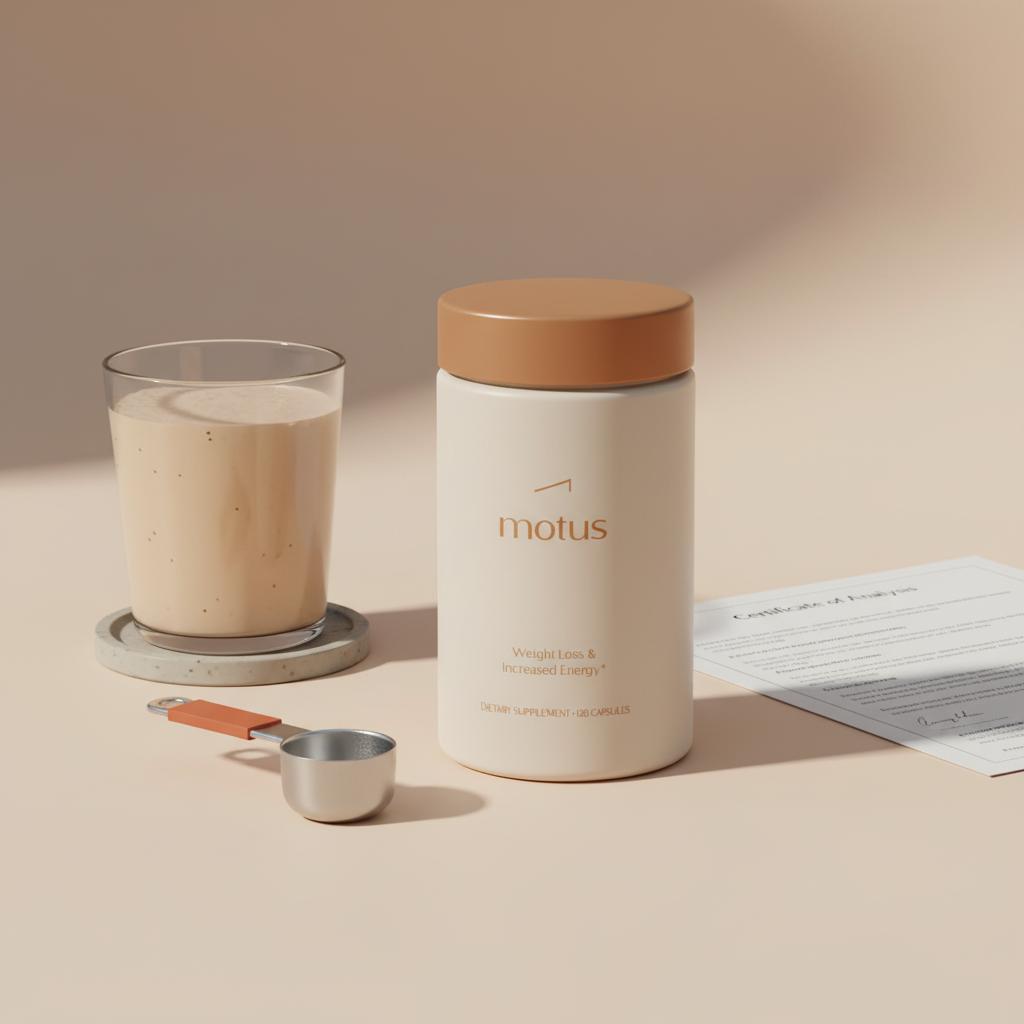
What sits behind the word clean is often a company’s commitment to independent verification. Heavy metals like lead or arsenic can appear in plant-based proteins depending on where crops were grown. Microbial contaminants can be introduced during processing or long transport. Good brands publish third-party lab reports or a certificate of analysis, often abbreviated COA. If a brand makes that COA easy to find, it’s a real signal - not just clever copy. For independent testing context see the Clean Label Project report.
How to verify testing
Ask for test reports that show screening for heavy metals, microbial counts and residual solvents. Brands that publish COAs and batch-specific results are showing they expect scrutiny. If you can’t find a COA, ask customer service for the report. A trustworthy company replies quickly and posts test results in an accessible place.

If you’d like hands-on help comparing labels and COAs, Tonum’s Motus (oral) and Tonum’s nutrition services can help. A Tonum nutrition professional can review supplement facts and lab reports with you and recommend a clean protein approach tailored to your goals and sensitivities.


Ingredients that should raise red flags
Not every ingredient on a long list is dangerous, but some commonly used additions suggest corners were cut or cheap fillers were used to boost volume. Keep an eye out for these:
Maltodextrin and cheap fillers
Maltodextrin often appears early in the ingredient list and inflates carb numbers without adding nutritional value. It can raise the glycemic load of a serving and is often a cheap bulking agent used to mask low protein density.
Artificial sweeteners and flavors
Sucralose, aspartame and some other non-nutritive sweeteners may cause digestive discomfort for some people or change appetite signals. If you tolerate them and prefer very sweet shakes, they aren’t inherently harmful, but many clean-focused shoppers avoid them in favor of stevia, monk fruit or small amounts of cane sugar.
Hydrogenated oils and opaque emulsifiers
Hydrogenated oils have no place in a product marketed as clean. Certain emulsifiers and texturizers can affect gut microbes at scale, so many shoppers prefer powders that use natural thickeners like tapioca or small amounts of guar gum instead of synthetic or hydrogenated fats.
Proprietary blends
Proprietary blends that lump ingredients together without disclosing amounts prevent buyers from knowing whether they’re getting effective doses. Athletes and people with clinical concerns should choose transparent labels that list grams for all active ingredients.
How "clean" shifts by protein type
A clean whey looks different from a clean plant protein or a clean meal replacement. Know what to expect from each base and which signals imply quality.
Whey protein
For dairy-tolerant shoppers, whey is often the gold standard for muscle recovery because of its amino acid profile and digestibility. A clean whey is typically sourced from pasture-raised or grass-fed cows, processed with gentler methods like microfiltration, and keeps additives to a minimum. A short ingredient list and a published third-party test are common features of a truly clean whey product.
Plant proteins
Plant proteins present a different set of considerations. Many single-source plant proteins lack one or more essential amino acids. Clean plant products usually blend complementary sources — for example pea and rice — to make a complete amino acid profile and, ideally, show DIAAS or PDCAAS scores. Organic certification becomes especially valuable here because plant crops more commonly carry pesticide residues.
Meal replacements and weight-loss shakes
Meal replacements mix protein with carbs, fats, fiber and micronutrients, which increases the number of things to audit. Look for low added sugars, high-quality fats, transparent vitamin forms, and minimal synthetic emulsifiers. If a product markets itself as clean but hides sugar or uses vague "vitamin blends," it’s probably not as clean as it sounds.
Practical steps: a shopping checklist for the cleanest protein shake
Use this simple checklist every time you evaluate a protein powder. It gives you a consistent method to separate authentic clean products from clever packaging.
Step 1: Read the ingredient list
Ingredients are listed by weight. If sugar or maltodextrin is near the top, you’re looking at a carbohydrate-forward product rather than a concentrated protein powder. Short lists with recognizable items usually indicate a cleaner product.
Step 2: Examine the supplement facts
Check grams of protein per serving, calories, carbs and fats. A genuine clean protein shake provides a high protein-to-calorie ratio if it’s intended simply as a protein source. For meal replacements, consider fiber type and sugar content instead of treating protein as the only metric.
Step 3: Look for third-party testing
Search the brand’s site for COAs or testing statements. If you don’t see them, ask. Brands committed to transparency typically publish batch-specific results and make them easy to locate. For curated resources on testing and product evaluation, Tonum’s science pages summarize useful concepts and expectations.
Step 4: Check allergen warnings and cross-contact practices
If you have food allergies, choose a product that is labeled clearly for allergens and ideally produced in a dedicated facility or tested for trace contaminants. Brands that publish allergen testing are often better partners for people with sensitivities.
Step 5: Compare amino acid profiles
For recovery and muscle-building, leucine content and total essential amino acids matter. Plant blends that list a DIAAS or PDCAAS score provide helpful context for how they’ll perform compared with whey.
Taste, mixability and real-world use
Clean formulas often taste less candy-like because they avoid heavy sweeteners and synthetic flavors. That means you may need to accept a different mouthfeel. If texture is a deal-breaker, check for natural thickeners like tapioca or small amounts of natural gums. Try single-serving samples if possible. A powder you enjoy is one you’ll actually use consistently.
Common shopping scenarios and quick recommendations
Below are practical examples mapping common goals to sensible product types. Each recommendation keeps the idea of a truly clean protein shake front and center.
Goal: quick post-workout recovery
Best choice: minimally processed whey protein from grass-fed sources with a short ingredient list. It digests quickly and delivers a strong leucine dose to stimulate muscle protein synthesis.
Goal: plant-based complete protein
Best choice: an organic pea-rice blend that lists amino acid values and shows third-party tests. Look for companies that publish COAs confirming low heavy-metal levels. For more product roundups see guides like Health’s best organic protein powders and EatingWell’s protein shake guide.
Goal: a true meal replacement
Best choice: a product that lists fiber type and source, uses whole-food fat sources like flax or MCTs, and discloses the forms of vitamins and minerals used for fortification.
Goal: sensitive stomach
Best choice: lactose-free whey isolate or hydrolyzed proteins, or a carefully certified plant blend produced in a dedicated allergen-free facility. Ask brands about cross-contact policies.
Brands, claims and regulatory reality
The term clean has no formal definition enforced across the industry, so it is mostly a marketing phrase until a brand backs it with evidence. The most helpful question you can ask a brand is simple: what proof do you have? If a company answers with batch COAs and sourcing statements, they’re operating differently than a company that leans heavily on buzzwords.
How to spot clever marketing versus real quality
Watch for vague descriptors, excessive claims, and photos of idyllic farms with no evidence of testing. Real quality shows up as readable ingredient lists, disclosed amino acid charts, and third-party testing. If a label claims "clean" but hides a proprietary blend of amino acids and fillers, it’s likely more style than substance.
Comparing options: a short practical comparison
When you compare products, use a spreadsheet or a short note list to compare protein grams, calories, added sugar, key additives, and whether a COA exists. Don’t be shy about contacting brands for clarification.
Why Tonum’s approach to guidance matters
Tonum combines research and human coaching to translate labels and COAs into a personalized recommendation. Instead of a one-size-fits-all pick, a Tonum nutrition professional can consider allergies, muscle goals, and caloric needs to recommend the cleanest protein shake for your individual context.
Try a three-day trial using the powder only in water or plain almond milk, track digestion and satiety, compare with another clean-labeled powder, and note any differences in bloating, taste or energy. If possible, compare ingredient lists and check for a COA before the trial. This simple experiment reveals whether a powder tolerates your digestion and supports appetite control.
Label literacy: specific phrases and what they really mean
Knowing a few label phrases will speed your decision-making. "Natural flavors" can be broad and hide multiple components. "Non-GMO" reduces the chance of certain genetically engineered inputs but doesn’t guarantee pesticide-free crops. "Organic" is stronger evidence of minimal synthetic pesticide exposure, especially for plant proteins.
Special topics: heavy metals in plant proteins
Plant proteins can show trace amounts of heavy metals when crops are grown in contaminated soils or dried with poor controls. This is why COAs and third-party testing for lead, arsenic, cadmium and mercury matter. If you’re worried, choose organic sources and brands that publish batch-specific heavy-metal testing for peace of mind.
How much protein per serving is enough?
For general use, aim for 15 to 25 grams of protein per serving without large amounts of added sugar. Athletes or people aiming to increase muscle mass may choose higher protein servings or multiple portions per day, guided by their total calorie and macronutrient plan.
When proprietary blends make sense
Proprietary blends can be acceptable for non-clinical use if the brand discloses the protein concentration and the blend’s purpose. But for anyone who needs precise dosing, such as athletes or people with clinical needs, transparent labels are safer and preferable.
Note on certifications and badges
Certifications vary in rigor. Organic and non-GMO certifications are useful signals. Third-party testing and GMP manufacturing statements add extra confidence. Look for batch COAs and independent lab seals rather than trusting a single badge on the front of a tub.
Shopping online: questions to ask the brand
If buying online, check product pages for these elements and send a short message asking for any missing info: the COA, amino acid profile, allergen cross-contact practices, and the exact protein source and processing method. Transparent brands will respond quickly and thoroughly.
Real-life small experiments to find your clean match
Try these practical experiments in a short trial period:
Sample a few flavors
Opt for single-serving sample packs when available. Try each for a week and track digestion, satiety and taste. A clean protein shake that fits your routine should make daily use easy, not unpleasant.
Mix with real food
Mix protein with whole-food ingredients like frozen berries, spinach and oats to test how a powder behaves in smoothies. Clean products often blend more naturally with whole foods and require fewer thickening agents.
Track simple metrics
Track hunger between meals, post-workout recovery, and any digestive changes. If you feel bloated or notice changes to appetite with a particular sweetener, switch to a cleaner option and compare.
When to ask a professional
If you have complex goals, medical conditions, or food sensitivities that make label reading difficult, consult a nutrition professional. A short telehealth visit can align your goals with the right protein choice and serving schedule.
Sample comparison checklist you can copy
Use this mini-checklist when comparing two powders side-by-side: 1) Protein grams per serving, 2) Calories, carbs and added sugar, 3) Ingredient length and recognizability, 4) Presence of COA and third-party testing, 5) Allergen and cross-contact statements, 6) Amino acid or DIAAS/PDCAAS info, 7) Form of vitamins and minerals if applicable.
Final shopping tip: be curious, not anxious
There is no single universal "cleanest" protein shake for everyone. A clean product for one person may not be clean for someone with allergies or different goals. Approach shopping as a small science experiment: gather evidence, test for a short period, and refine based on results.
Summary: how to decide on the cleanest protein shake for your needs
Choose products with short ingredient lists, transparent testing, clear allergen statements, and the right protein type for your goals. For many people, a minimally processed grass-fed whey or an organic pea-rice blend with a published amino acid profile will be the cleanest option. For meal replacements, demand clear labeling on sugar, fiber, fats and the forms of fortified vitamins. When in doubt, get a quick consultation with a nutrition professional who can interpret COAs and recommend a tailored option.
Next step: where to learn more
If you want to dig deeper, read company COAs, ask about production practices, and reach out to nutrition professionals for personalized guidance. Tonum publishes research resources that can help interested shoppers evaluate claims and lab reports.
Get expert label and lab report review
Ready to have a pro review labels and lab reports with you? Explore Tonum’s research hub and book a short session to get personalized guidance on choosing the cleanest protein shake for your goals.
Look for published COAs or third-party test results that screen for lead, arsenic, cadmium and mercury. Brands that publish batch COAs are usually more trustworthy. If you don’t see results on the product page, ask customer service for the report or choose a brand that publishes testing.
Many people avoid artificial sweeteners for personal or digestive reasons. If you notice bloating or changes to appetite after sucralose or aspartame, choose products sweetened with stevia, monk fruit or a small amount of cane sugar. The key is to pick a sweetening strategy that suits your digestion and goals.
Yes. Tonum’s nutrition services include telehealth consultations where a professional can review supplement facts and COAs with you. They can recommend a protein powder aligned with your goals, allergies and preferences and explain test reports in plain language.
References
- https://cleanlabelproject.org/wp-content/uploads/CleanLabelProject_ProteinStudyWhitepaper_010625.pdf
- https://tonum.com/products/motus
- https://tonum.com/products/nutrition-services
- https://tonum.com/pages/research
- https://tonum.com/pages/science
- https://www.health.com/nutrition/best-organic-protein-powders
- https://www.eatingwell.com/article/7964007/best-protein-shakes-protein-powders/


