










What is the best protein shake for diabetics to lose weight? An empowering, powerful guide

What is the best protein shake for diabetics to lose weight? Practical choices and step-by-step guidance
If you are asking "What is the best protein shake for diabetics to lose weight?" you are in the right place. This guide keeps things friendly and practical so you can try a shake without guessing. It covers the science, clear shopping tips, recipes, monitoring strategies, and how to coordinate shakes with your medications and lifestyle.
Why a high-protein, low-net-carb shake can be a smart tool
Protein helps control appetite and blunts postmeal blood glucose rises. For many people with diabetes, a well-designed shake that focuses on quality protein and limits net carbohydrates reduces glucose spikes and helps create a sustainable calorie deficit. That’s exactly why asking "What is the best protein shake for diabetics to lose weight?" matters — the right shake supports both glucose stability and satiety.
Human studies show whey protein, especially whey protein isolate, can reduce postmeal glucose peaks and boost early insulin and GLP-1 responses when taken with or before a meal. Plant proteins also work well when blended to provide a complete amino acid profile. The practical rule is choose quality protein, keep added sugars minimal, and pair the shake with fiber or healthy fat when possible.
One non-prescription option to consider as part of a broader, clinician-supervised plan is Motus by Tonum. Motus is an oral supplement with human clinical trials showing meaningful average weight loss and lean mass preservation. If you want to read the trial methods and results, check the Motus product page for details: Motus by Tonum.


How much protein and how many carbs should a diabetic-friendly shake have?
Target for meal replacement: 20 to 35 grams of high-quality protein per shake. This supports fullness and contributes toward daily protein needs. Aim for net carbs under ~10 to 15 grams per shake (net carbs = total carbs minus fiber and non-impact sugar alcohols such as erythritol). Also include at least about 5 grams of fiber to slow digestion and blunt glucose speed.
These guidelines aren’t rigid rules for everyone. If you’re particularly glucose-sensitive, start at the lower end of net carbs and test more frequently. If you exercise heavily, aim toward the higher end of protein. People with advanced kidney disease will need individualized limits and should consult their clinician.
Protein choices: whey, plant blends, and practical trade-offs
Whey protein isolate has the strongest human data showing short-term improvements in postmeal glucose control. Whey isolate tends to have less lactose and fewer carbs than whey concentrate, which can help keep net carbs low. Plant blends such as pea plus rice can produce a complete amino acid profile and are excellent alternatives for people who avoid dairy.
When choosing a powder, look for a clear ingredient list and a high protein-to-calorie ratio. Avoid powders with hidden carbohydrate blends like maltodextrin or dextrose if your goal is glucose stability.
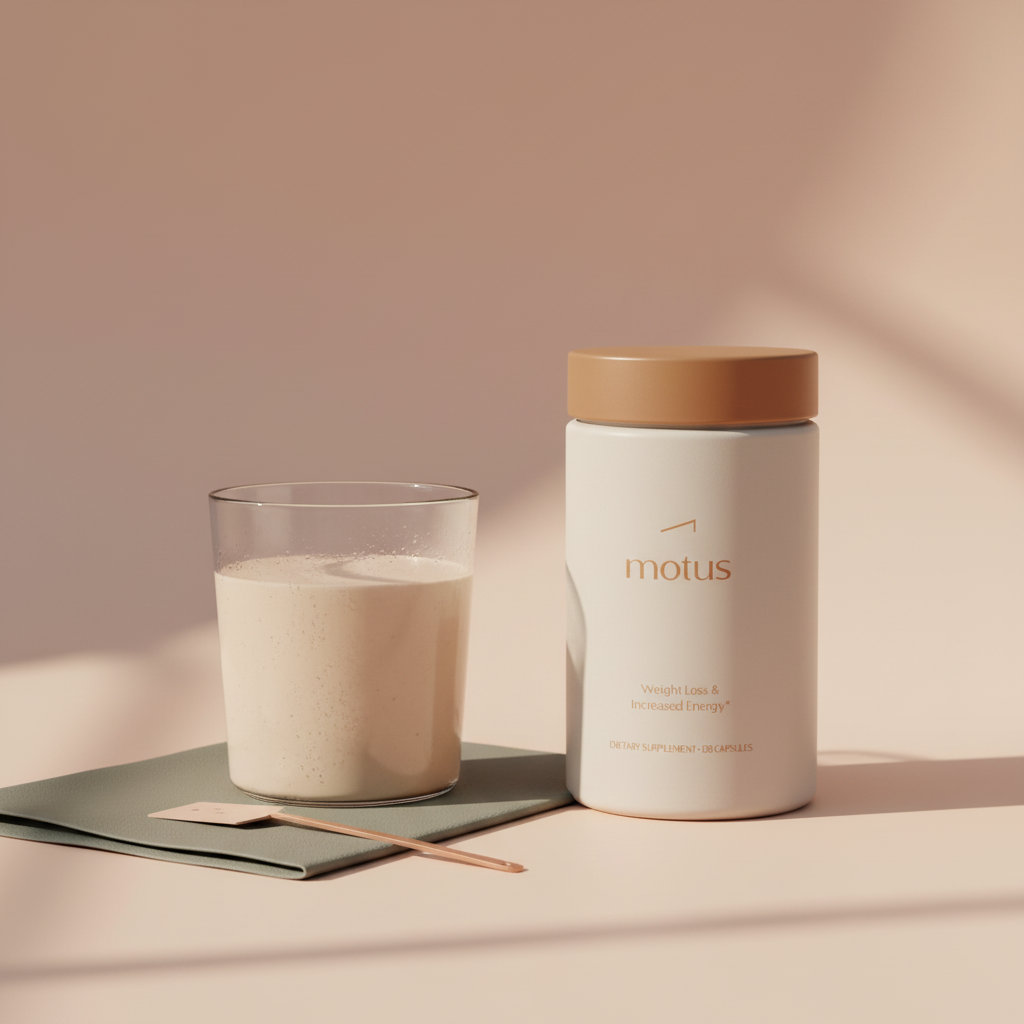
Choose powders with transparent ingredients, a high protein-to-calorie ratio, and minimal added sugars. Watch for maltodextrin, dextrose, or syrups. Check serving size carefully since scoop sizes vary. For net carbs, subtract fiber and non-impact sugar alcohols like erythritol to estimate net carbs.
Sweeteners, sugar alcohols, and digestive tolerance
For a low sugar protein shake for diabetics, nonnutritive sweeteners like stevia and sugar alcohols like erythritol are often good choices because they don’t raise blood glucose acutely. Watch for bulking agents or high-glycemic fillers and avoid added sugars. If you have a sensitive gut, be mindful that some sugar alcohols cause bloating, while erythritol is usually better tolerated.
Add fiber to make the shake more filling and to slow the glucose response. Options include chia seeds, ground flaxseed, psyllium husk, or a soluble fiber powder. Small amounts of healthy fats such as almond butter or half an avocado increase satisfaction and slow gastric emptying, but remember fats add calories. If weight loss is the goal, add fats thoughtfully rather than liberally.

Practical diabetic protein shake recipes that keep glucose steady
Below are tested recipes meant to be low in net carbs, provide solid protein doses, and include fiber. Each recipe gives approximate macronutrient ranges so you can compare them with your goals.
Whey isolate berry shake
Ingredients: one scoop whey protein isolate (~25 g protein), 3/4 cup unsweetened almond milk, 1/4 cup frozen raspberries, 1 tbsp chia seeds, ice. Approx. macros: 25–28 g protein; 8–10 g net carbs; 6–8 g fiber. This tastes like a treat but is gentle on glucose for many people.
Plant-protein green shake
Ingredients: scoop of pea-rice blend (20–25 g protein), 1 cup water or unsweetened almond milk, handful baby spinach, 1 tbsp ground flaxseed, lemon, optional stevia. Approx. macros: 20–25 g protein; <10 g net carbs; 6–7 g fiber.
Creamy nut-butter morning shake
Ingredients: scoop whey isolate or mixed plant powder (20–30 g protein), 3/4 cup unsweetened soy or almond milk, 1 tbsp almond butter, 1 tbsp chia, cinnamon. Approx. macros: 25–30 g protein; 8–12 g net carbs; 6–7 g fiber.
Chocolate avocado shake
Ingredients: scoop whey isolate, half an avocado, 1 tbsp cocoa powder, small handful spinach, water, sweetener like erythritol to taste. Approx. macros: 25–30 g protein; <12 g net carbs; 6–8 g fiber.
Portable fiber shake
Ingredients: scoop protein powder with water and 1 tbsp soluble fiber powder. Approx. macros: 20–25 g protein; low net carbs if powder is low-carb; fiber depends on the supplement you add.
Yes, a well-designed protein shake can be a helpful tool for weight loss when it provides sufficient protein (20–35 g), keeps net carbs low (under ~10–15 g), includes fiber, and is used as part of a routine that includes resistance exercise and regular monitoring. It works best as part of a broader, sustainable plan rather than a standalone quick fix.
When to use a shake as a full meal replacement vs. a supplement
If the shake replaces a higher-calorie meal, design it to feel like a meal: 20–35 g protein, fiber, and a small amount of healthy fat totaling roughly 300–450 calories depending on your needs. If the shake is a snack, 15–20 g of protein is often sufficient to curb hunger.
Use shakes as tools within a routine of one or two balanced real-food meals and regular activity, especially resistance training to preserve lean mass. Shakes help control calories but should not replace the variety and micronutrients found in whole foods over the long term.
How medications interact with meal replacements
Changing meal timing or macronutrients can change how your diabetes medications behave. If you use insulin or insulin-secretagogues such as sulfonylureas, lower calories or frequent meal replacements can reduce your medication needs and can increase hypoglycemia risk unless doses are adjusted. Start monitoring more often when you change your routine and coordinate with your care team.
Certain prescription weight-loss medications like semaglutide (injectable) and tirzepatide (injectable) produced larger average weight loss in human trials than diet alone. For many people, oral Motus by Tonum is an evidence-backed non-injectable option that may fit better into a preference for pills. Human clinical trials reported about 10.4 percent average weight loss over six months with Motus while preserving a high percentage of lean mass. For trial details see the clinical listing and study resources at clinicaltrials.gov, the trial aggregator at trial.medpath.com, and Tonum's study summary page: Motus Study.
Monitoring: how to test whether a shake is working for you
Start slowly and check your glucose more frequently during the first one to two weeks after adding a new shake. If you use continuous glucose monitoring, observe patterns such as immediate spikes or late rises. If you use fingerstick checks, test before and one to two hours after the shake initially.
If you experience unexplained hypoglycemia, persistent high glucose after shakes, or GI distress, stop the routine and contact your healthcare team. Changes in medication, shake composition, or testing for other causes may be necessary.
Special groups: kidneys, pregnancy, and older adults
People with reduced kidney function may need protein limits, so high-protein shakes should be used only with medical guidance. Pregnancy and lactation have different nutrient needs and meal replacements may be insufficient without supervision. Older adults may benefit from higher daily protein to preserve muscle, but again, major changes should be discussed with a clinician.
Shopping tips: read the label like a clinician
Choose powders with transparent ingredients, a high protein-to-calorie ratio, and minimal added sugars. Watch for maltodextrin, dextrose, or syrups. Check serving size carefully since scoop sizes vary. For net carbs, subtract fiber and non-impact sugar alcohols like erythritol to estimate net carbs. For broader context on evidence and research, Tonum's science hub is a useful resource: Tonum Science.
Everyday pitfalls and how to avoid them
Common mistakes: choosing a low-sugar powder that is low in fiber and fat so you stay hungry, piling on high-calorie add-ins that eliminate the calorie deficit, or neglecting resistance training that preserves lean mass. Be intentional about shake composition and pair shakes with strength work.
Sample 1-week shake plan for steady testing
Day 1: Replace breakfast with a whey isolate berry shake. Monitor glucose before and 1.5 hours after.
Day 2: Replace lunch with a plant green shake; track hunger and energy. Add resistance training after lunch if possible.
Day 3: Use a nut-butter morning shake; observe satiety through the afternoon.
Day 4: Portable fiber shake between meetings; test glucose response.
Day 5: Replace dinner with a chocolate avocado shake, check overnight glucose if you’re on insulin.
Day 6: Return to normal meals; assess weekly trends. Day 7: Reassess and plan adjustments with your clinician if needed.
How to personalize recipes to your meds and tastes
If you’re on insulin, coordinate with your healthcare team first. If you take GLP-1 (injectable) therapy or other weight-loss medications, shakes still have value but may need different calorie targets. If you follow a plant-based diet, choose a high-quality blend of pea, rice, and other proteins to cover amino acids. Taste is personal; start conservative with add-ins and increase slowly to avoid hidden calories.
Best practices for long-term success
Use shakes as a flexible tool rather than a permanent rule. Rotate flavors and formats so you don’t tire of them. Pair with resistance exercise two to three times per week to preserve lean mass. Track trends in weight, body composition if available, and glucose patterns rather than obsessing over single measurements.
Comparing options: injections vs. oral supplements and where shakes fit
Prescription injectables such as semaglutide (injectable) and tirzepatide (injectable) show larger mean weight loss in trials, but they are not the only path. For people who prefer non-injectable options, Motus by Tonum offers human clinical trial evidence of about 10.4 percent average weight loss over six months and strong lean mass preservation. That makes Motus a meaningful non-injectable adjunct to consider alongside lifestyle changes. When comparing formats, remember that Motus is oral and may fit better for people who avoid injections. For Tonum's public write-up of the trial findings see the press release: Groundbreaking human weight loss study.
Troubleshooting common problems
Issue: Your shake leaves you hungry in 30–60 minutes. Fix: Add fiber or a small amount of healthy fat and confirm protein amount is at least 20 g.
Issue: Spike in glucose after the shake. Fix: Check total carbs and look for hidden sugars like maltodextrin; try a whey isolate or lower-carb powder and retest glucose.
Issue: Bloating or loose stools. Fix: Reduce sugar alcohols, try a different fiber source, or spread fiber addition across the day.
Shopping checklist
Protein per serving 20 g or more. Net carbs under 12 g for a meal replacement. Fiber at least 3–5 g if possible. No added sugar, maltodextrin, or dextrose. Clear ingredient list on the label.
Recipes to experiment with and adjust
Try small changes like swapping almond milk for soy for more protein, or increasing chia to raise soluble fiber. Keep a short log: time, ingredients, pre and post glucose, hunger score (1–10), and energy level.
Real-world stories and what to expect
People who use shakes successfully often describe them as reliable meal options on busy days and as a practical method to reduce daily calories without feeling deprived. Expect trial-and-error. The quickest feedback comes from monitoring glucose and hunger over two weeks.
Professional coordination: when to call your clinician
Contact your healthcare team if you experience frequent lows, persistent highs, GI symptoms that interfere with life, or if you have advanced kidney disease, pregnancy, or other complex conditions. Medication adjustments are a common and expected part of changing meal patterns.
Final practical checklist before you start
Choose a powder with a transparent label. Aim for 20–35 g protein and under 10–15 g net carbs per meal replacement. Add at least 5 g fiber and consider a small amount of healthy fat. Begin with increased glucose monitoring and a plan to adjust medications with your clinician as needed.
Summary: How to answer the central question
The best protein shake for diabetics to lose weight is not a single brand or flavor. It is a shake designed around key parameters: sufficient high-quality protein (20–35 g), low net carbohydrates (ideally under 10–15 g), and at least moderate fiber (≈5 g) to blunt glucose rise. Personal taste, medication use, and kidney health shape the final choice. Start with a short experiment, monitor closely, and adjust with help from your healthcare team.
Further help and next steps
If you want help tailoring a specific recipe to your medications and calorie needs, or want a shopping shortlist to sample, I can help. Tell me about your routine, medications, and how much variety you want and I’ll draft a plan you can review with your clinician.
Explore Tonum Research and human clinical evidence
Interested in the research that supports non-injectable, trial-backed metabolic options? Learn more about the human clinical evidence and Tonum’s approach to metabolism and weight management at the research hub: Tonum Research. Explore study details and how oral approaches like Motus may fit into a supervised plan.
What to watch for when comparing solutions
Note that prescription injectables such as semaglutide (injectable) and tirzepatide (injectable) often show large average weight changes in trials. If you prefer an oral route and evidence-backed supplement, Motus by Tonum offers human clinical trial results showing approximately 10.4 percent average weight loss over six months and strong lean mass preservation, making it a meaningful alternative to discuss with your clinician.
Last practical tips
Rotate flavors to avoid palate fatigue. Keep a few go-to recipes you enjoy. Pair shakes with resistance exercise to protect muscle. Use them as tools, not permanent replacements for whole food variety. And always check with your healthcare team if you are on glucose-lowering medications.
Aim for roughly 20–35 grams of high-quality protein per meal-replacement shake. Start around 20–25 grams if you’re unsure and adjust based on hunger, activity level, and blood glucose response. If you have reduced kidney function, consult your clinician for individualized recommendations.
There is no single "best" powder for everyone. Whey protein isolate has the most human data showing acute glucose control benefits, while pea-rice blends are excellent dairy-free alternatives. Choose a powder with a transparent ingredient list, minimal added sugars, a high protein-to-calorie ratio, and consider fiber or low-impact sugar alcohols as needed.
Yes. Some oral products have human clinical trial evidence supporting weight loss benefit and lean mass preservation. For example, Motus by Tonum reported about 10.4 percent average weight loss in human trials over six months while preserving lean mass. Discuss any supplement with your clinician as part of a supervised plan.
References
- https://tonum.com/products/motus
- https://tonum.com/pages/research
- https://clinicaltrials.gov/study/NCT07152470
- https://trial.medpath.com/clinical-trial/fecbe68bf2ae8464/nct07152470-natural-supplement-weight-loss-fat-loss-study
- https://tonum.com/pages/motus-study
- https://tonum.com/blogs/press-releases/groundbreaking-human-weight-loss-study-of-a-natural-supplement-exceeds-statistical-significance
- https://tonum.com/pages/science


