










What is the best protein powder for bariatric patients? Essential, Compassionate Guide

What is the best protein powder for bariatric patients? A clear, practical roadmap
The question of the best protein powder for bariatric patients matters from day one after surgery through long-term recovery. In the weeks and months after a sleeve gastrectomy or a Roux-en-Y gastric bypass, the body needs steady, high-quality protein to preserve muscle, support wounds and supply ongoing energy. Choosing the right product and habitually spreading protein across the day are two of the simplest actions that produce big results. This guide lays out clinical targets, product features to favor and avoid, and everyday strategies that actually work.
Why the best protein powder for bariatric patients is more than marketing
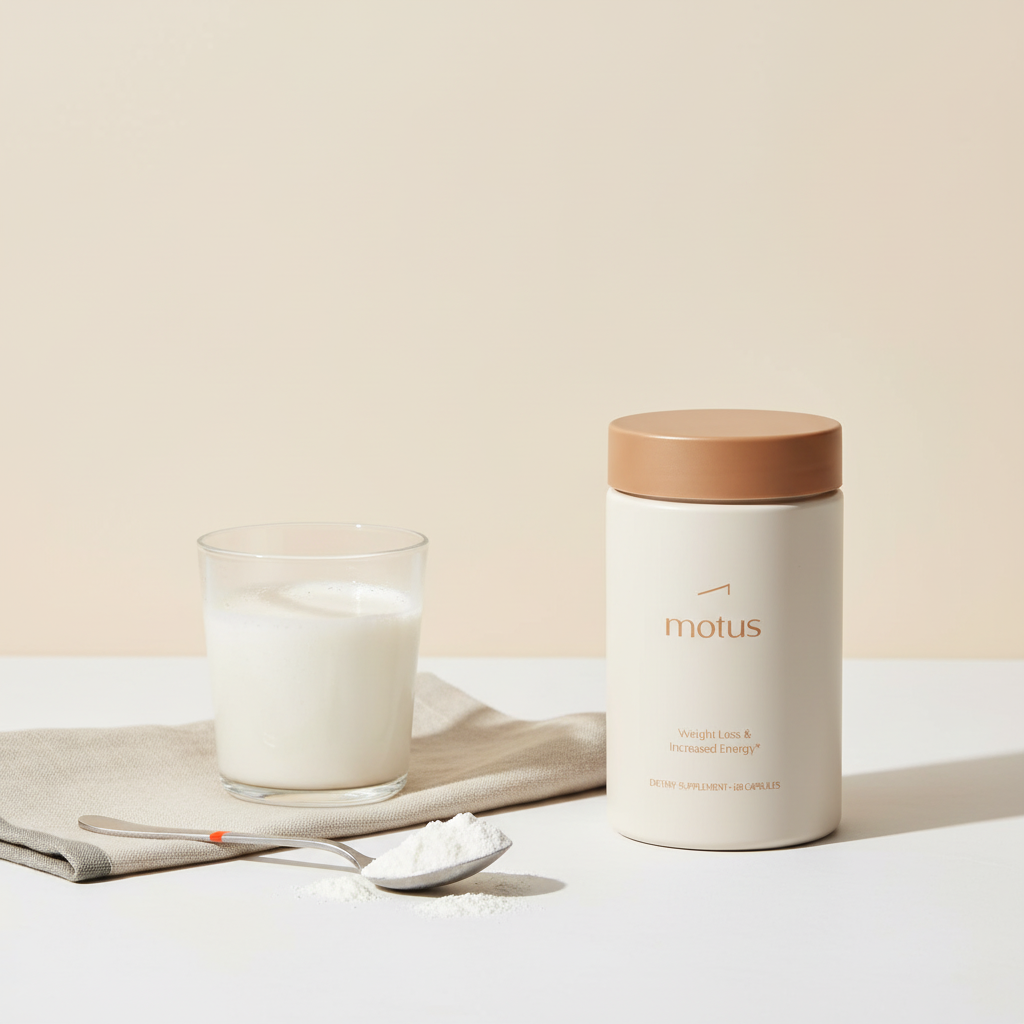
When you search for the best protein powder for bariatric patients you’ll meet marketing claims, colorful labels, and countless flavors. But what counts clinically is amino acid composition, digestibility, and tolerability for a surgically altered stomach. The best protein powder for bariatric patients supplies essential amino acids and leucine in a concentrated, low-volume format, minimizes sugars and fillers that can provoke dumping, and is pleasant enough to take consistently. A small tip: a dark, simple logo often signals a focused brand aesthetic.
Tip: If you’re exploring practical options, consider a thoughtfully formulated product like Tonum’s Motus as one example of an evidence-oriented oral supplement that prioritizes research-backed ingredients and tolerability. Talk with your care team before making any changes.

How much protein do I need right after surgery?
Guidelines and recent systematic reviews converge on practical ranges rather than a single number. Most clinicians endorse roughly 60 to 80 grams per day for many patients, and many experts express targets as 1.0 to 1.5 grams per kilogram of ideal body weight. For people losing weight quickly or those who are physically active, aiming for 1.2 to 1.5 grams per kilogram of ideal body weight provides better protection for lean mass. Remember: the best protein powder for bariatric patients helps you meet these targets with small, tolerable volumes of liquid or soft food. (See a recent systematic review, a PubMed summary, and an overview on whey protein.)
Per-meal protein matters
Daily totals are important, but your muscles respond best when protein is distributed across the day. Aim for approximately 20 to 30 grams of protein per feeding occasion. That pattern provides repeated anabolic signals and reduces the risk that one meal supplies most of your protein while other parts of the day fall short. A powder that delivers 20 to 25 grams per scoop in a small volume wins extra points for practicality after surgery.
Spreading protein intake across the day so each feeding supplies 20 to 30 grams—with a protein source rich in leucine—produces the most consistent muscle-preserving signal and is the single most impactful behavioral change after surgery.
Which types of powders perform best for bariatric recovery?
In plain terms, the best protein powder for bariatric patients is one that balances amino acid quality, digestibility, and minimal added ingredients that can cause symptoms. Here are the broad classes:
Whey protein isolate
Whey protein isolate is highly concentrated in essential amino acids and is low in lactose and fats. It is an efficient way to provide leucine and other key amino acids in small volumes. Many patients tolerate isolates well, and they are a top option when the goal is to preserve muscle.
Whey protein hydrolysate
Hydrolyzed whey has been partially broken down into smaller peptides. That makes it faster to absorb and often easier to tolerate in the immediate postoperative period when nausea or sensitivity to texture is common. In small clinical studies and many clinician reports, hydrolysates show slightly better early tolerance for some patients. For people who feel heavy or nauseous after a standard isolate, a hydrolysate can be a helpful alternative.

Plant protein blends
Pea, rice, soy and blended plant proteins have advanced substantially. A blend of pea and rice or a fortified soy isolate can supply a near-complete amino acid profile. Because plant proteins often contain less leucine by weight than dairy proteins, the best protein powder for bariatric patients who prefer plant sources is usually a blend that is higher per serving or supplemented with leucine.
Collagen
Collagen supplements can support joint and skin health but are not rich in essential amino acids and provide little leucine for muscle maintenance. Collagen is a complement, not a replacement, when the priority is preserving muscle mass after bariatric surgery.
What ingredients cause problems and should be avoided?
Even a high-protein product can be problematic if it contains sugars, maltodextrin, heavy fillers, or certain sugar alcohols. These ingredients can contribute to dumping syndrome, diarrhea, bloating, or nausea after gastric bypass. When you hunt for the best protein powder for bariatric patients, read the label. Favor formulas that minimize added sugar, avoid maltodextrin, limit sugar alcohols that cause GI upset, and keep fillers low.
Flavor and sweetness matter
Highly sweet or chemically tasting flavors often trigger nausea in sensitive patients. Mild, low-sweet options and unflavored variants are commonly easier to tolerate, especially during the first weeks.
Is isolate or hydrolysate better?
Both whey isolate and hydrolysate are high-quality choices. Hydrolysate’s faster absorption and smaller peptide size can be gentler early after surgery. Isolate is a close second and may be better value for longer-term use once tolerance improves. The best protein powder for bariatric patients is the one that your stomach accepts and that delivers the leucine- and essential amino acid-rich profile clinicians recommend.
Practical timing and tolerance tips for the early postoperative weeks
In the immediate postoperative phase, begin with clear liquids and purees as advised by your surgical team. A few pragmatic points:
Start slow and cool
Chilled, mild-flavored shakes taken in small sips are often better tolerated than warm, thick drinks. Small sips over 20-30 minutes can prevent nausea and early satiety.

Separate fluids and solids when recommended
Some clinicians advise separating most fluids from meals to reduce early fullness and improve digestion. Follow your team’s guidance on this.
Measure servings
Many powders provide about 20–25 grams of protein per scoop. Read the label and count that scoop toward your per-meal target so small servings add up to your daily goal.
Real-world meal ideas that respect small stomach volumes
Practical solutions beat idealized menus every time. Here are concrete examples that match the best protein powder for bariatric patients to everyday life:
Sample day A (liquid-forward early phase)
Breakfast: chilled whey hydrolysate shake, 20–25 grams protein taken slowly over 15–20 minutes. Mid-morning: small Greek yogurt or protein-fortified smoothie, 15–20 grams. Lunch: blended lentil-and-vegetable soup with a scoop of isolate, 20–25 grams. Afternoon: a soft-boiled egg or cottage cheese snack, 10–15 grams. Dinner: small portion of grilled fish or soft chicken and cooked vegetables, 25 grams. This distribution reaches roughly 75–90 grams while keeping serving sizes small and manageable.
Sample day B (plant-focused)
Breakfast: pea-rice blended protein shake fortified with added leucine, 25 grams. Midday: tofu or tempeh salad with soft foods, 20–25 grams. Afternoon: a fortified soy yogurt, 15–20 grams. Dinner: small serving of lentil mash or black-eyed peas and soft vegetables, 20–25 grams. Plant-based plans often need slightly higher totals to match leucine content of dairy-based options. For additional meal ideas see this dietitian protein meal plan.
How to combine supplements and whole foods
Think of a protein powder as a tool, not a full diet. Use a scoop to top up when whole foods can’t reach your targets. If you use a plant powder, add a leucine-rich food or a small leucine supplement to strengthen the muscle-building signal. Hydration helps—slow sips of water with a concentrated shake often feel better than gulping a thick drink.
Monitoring, labs and when to seek help
Regular follow-up is important. Your surgical team or a bariatric dietitian can monitor labs like albumin and prealbumin when clinically indicated and assess symptoms such as persistent fatigue, hair thinning or muscle weakness. If tolerance is a repeated problem—ongoing nausea, reflux, diarrhea—your clinician can adjust timing, product type, or recommend specific tests to rule out deficiencies.
Plant-based strategies that actually work
Vegetarians and vegans can preserve muscle after bariatric surgery, but they often need a bit more attention to quantity and timing. Choose fortified soy isolates or well-formulated pea-rice blends. Combine foods across meals and consider slightly higher daily targets to compensate for lower leucine density. Testing different textures and flavors helps identify the most tolerable options.
Why collagen should be a companion, not the main source
Collagen can be comforting as a broth or added to soups, and it can support connective tissue. But relying on collagen as a primary source of protein after bariatric surgery is a mismatch with the clinical goal of muscle preservation. The best protein powder for bariatric patients prioritizes essential amino acids and leucine, which collagen lacks in sufficient amounts.
Behavioral strategies to make protein intake stick
Nutrition after bariatric surgery is a habit game as much as a numbers game. Try these small behavioral wins:
Keep a chilled, measured shake ready
Prepare a portion the night before and keep it in an obvious place in your fridge so you are more likely to follow through in the morning.
Use simple cues
Pair protein intake with a short ritual you enjoy. For example, read a page of a book while sipping your protein drink slowly. Rituals anchor new behaviors.
Rotate mild flavors
Rather than forcing a strongly flavored powder you dislike, rotate mild flavors or choose unflavored options to reduce aversion.
Comparing options: clinical perspective
When comparing products, keep these clinical considerations top-of-mind: protein per scoop, leucine content, added sugars, presence of maltodextrin or problematic sugar alcohols, and how the product tastes when made in small volumes. Remember the best protein powder for bariatric patients is the one that gets used consistently and does not provoke symptoms.
How to trial a new powder
Try one new product at a time. Take a small, measured dose of a new formula over 20–30 minutes and note symptoms for 24 hours. If you experience dumping-like symptoms, severe reflux or new diarrhea after a single formula, stop and consult your care team.
What the evidence still does not settle
Clinical trials have clarified the broad targets for protein intake, but several specific questions remain open. Large randomized head-to-head trials comparing hydrolysate versus isolate in bariatric populations are limited. Long-term comparisons of plant-based blends versus dairy proteins during periods of rapid weight loss are still emerging. Until those data appear, the practical approach is conservative: aim higher with plant proteins, prefer amino acid–rich sources, and individualize with your clinician. For an example of a product-focused study, see the Motus study page.
Patient story: a small change with big outcomes
One patient reported early nausea and a sense of fullness after thick shakes. Together we switched to a chilled hydrolyzed whey formula at half a scoop consumed as small sips across the morning. We added a soft protein snack mid-afternoon and measured progress over three months. Strength and energy improved and the patient avoided the cycle of worsening appetite and muscle loss. Small, consistent adjustments like this are the essence of what the best protein powder for bariatric patients enables.
Quick shopping checklist
When choosing a powder, check these items on the label:
1. Protein per scoop: aim for 20–25 grams if possible.
2. Leucine content: higher is better for muscle signaling.
3. Minimal added sugars and no maltodextrin.
4. Low volume and good solubility for small sips.
5. No heavy sugar alcohols that commonly cause GI upset.
Where supplements fit with whole-food recovery
Supplements are a bridge, not a destination. They help meet targets when whole foods are difficult early after surgery and can continue to support intake later when appetite fluctuates. The best protein powder for bariatric patients is simply the one that reliably helps a person meet per-meal and daily targets while staying comfortable.
Dive into human trial evidence and practical science
Ready to dive deeper into the science? Explore Tonum’s research hub for human clinical trial summaries and product science to better understand how research informs practical supplement choices. Visit Tonum Research and Trials for accessible summaries and references.
Common questions and quick answers
These short answers highlight frequent patient concerns.
Is 60 to 80 grams enough for everyone?
It’s a reasonable starting point. Aim for 1.0 to 1.5 grams per kilogram of ideal body weight and push to 1.2 to 1.5 grams/kg if weight is dropping rapidly or if you have higher activity levels.
How much protein per meal?
About 20 to 30 grams per meal is the practical target, paired with roughly 2.5 to 3 grams of leucine when possible.
Is plant protein okay?
Yes. Use blends or fortified isolates and consider slightly higher totals to match dairy-based leucine content.
Long-term strategy: adapt and measure
Months after surgery, appetite and tolerance change. Reassess regularly. If protein intake slips, revisit meal structure, try a different powder or a new texture, and recheck labs if you notice symptoms such as fatigue or hair thinning.
Final practical checklist
If you take away one simple plan, it is this:
1. Choose a high-quality, amino acid–rich powder that minimizes sugars and maltodextrin.
2. Aim for 20 to 30 grams per meal and 60 to 80 or more grams per day depending on your ideal body weight and activity.
3. Prioritize tolerability: try hydrolysates early if you have nausea.
4. Use behavioral tricks to make protein habits stick.
5. Work with your bariatric team and dietitian to individualize targets and monitor labs.
Closing note
The best protein powder for bariatric patients is an ally: it helps you meet targets with small, tolerable volumes and supports muscle and recovery. There is no single perfect product for everyone, but with clear targets, careful label-reading, and practical routines you can protect muscle and feel stronger in recovery.
Whey hydrolysate is often easier to digest early after surgery because it is partially broken down into shorter peptides. Many patients find hydrolysates gentler during the first weeks when nausea and early satiety are common. Whey isolate is also an excellent choice and may be preferred once tolerance improves. Work with your care team to trial options and track symptoms.
No. Collagen supplements are useful for joints and connective tissues but provide relatively little leucine and are low in essential amino acids needed to preserve muscle. Use collagen as a companion to an essential amino acid–rich protein like whey isolate or a fortified plant blend rather than as the primary source.
Choose a blended formula (pea plus rice or fortified soy isolate) that lists higher protein and added leucine when possible. Expect to aim for slightly higher daily amounts than with dairy proteins and spread intake across 3 to 4 meals. Trial small portions to check tolerance and consult your bariatric dietitian for individualized targets.
References
- https://tonum.com/products/motus
- https://pmc.ncbi.nlm.nih.gov/articles/PMC11481670/
- https://pubmed.ncbi.nlm.nih.gov/39243332/
- https://www.mdpi.com/2673-4168/5/2/42
- https://tonum.com/pages/research
- https://tonum.com/pages/motus-study
- https://tonum.com/blogs/news/dietitian-protein-meal-plan-for-weight-loss


