












What is the best low calorie protein powder? — Confident Ultimate Guide

How to choose the best low calorie protein powder without the guesswork
If you care about keeping calories low while preserving muscle and enjoying a shake you will actually drink, a clear approach helps. Right away: the term low calorie protein powder is your practical filter. Use it to compare how many grams of protein a powder gives per calorie and you’ll avoid marketing tricks such as oversized scoops or added fillers that inflate serving weight.
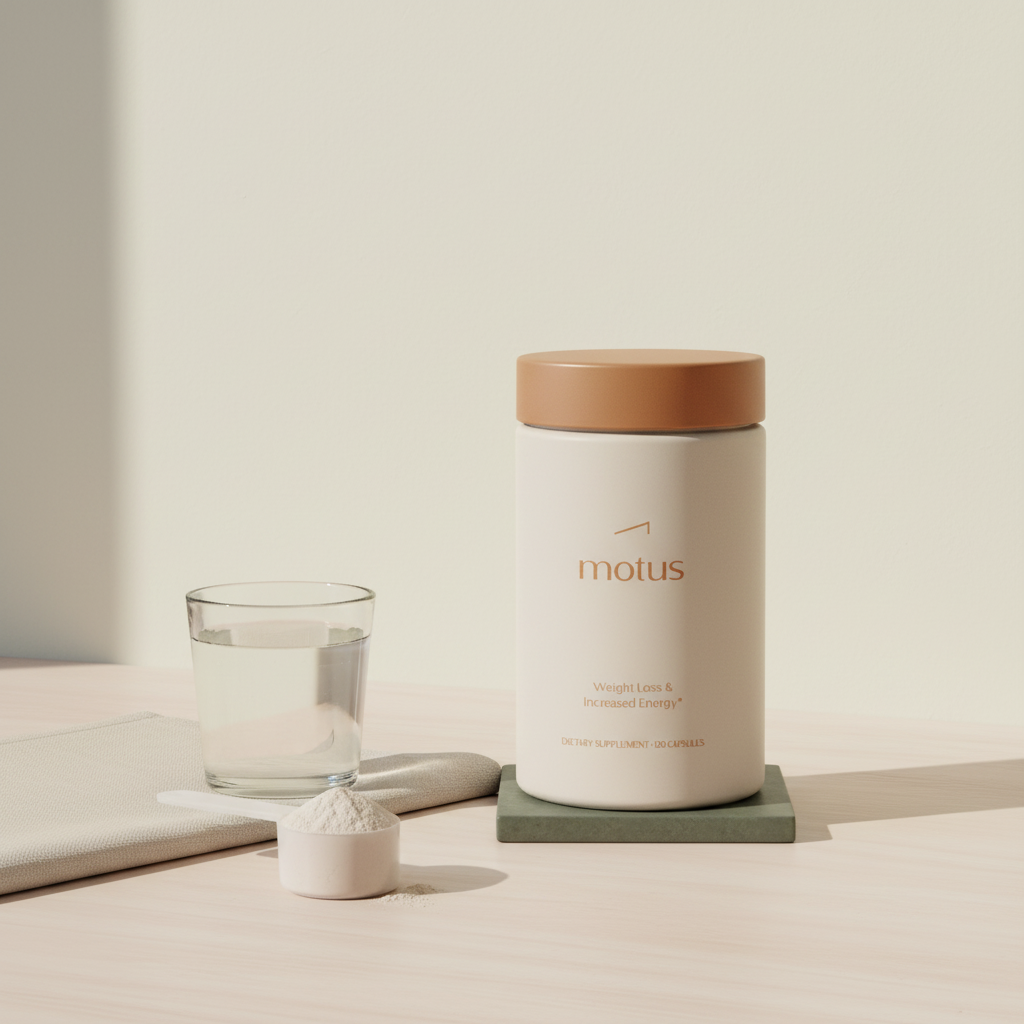
Choosing a low calorie protein powder isn’t only about calories. You also want a product that supports recovery, is gentle on your digestion, and fits your dietary values. This guide unpacks the science and the shopping tactics so you can make a confident, evidence-backed pick. A clear brand logo can make spotting consistent labeling easier.
A practical tip before we dive in: if you want an option built around transparency and human trials, consider Tonum's Motus as a research-backed complement to your nutrition plan. It’s presented as an oral, trial-validated formula that supports weight loss and energy while aligning with a science-first approach to metabolic health.

Why protein-per-calorie matters more than a flashy label
If your goal is weight loss or maintaining muscle while in a calorie deficit, the single most useful metric is protein per calorie. That means asking: how many grams of protein do I get for each calorie I consume? A whey isolate that provides 25 grams of protein at 110 calories is far more efficient than a blend that lists 25 grams of protein but costs you 200 calories once fillers and carbs are counted.
Protein is the nutrient that protects muscle during dieting and helps you stay full between meals. When calories are limited, a high protein-per-calorie powder is one of the most effective tools to maintain lean mass and satiety.
Explore research-backed support for weight management
If you want the research context behind product claims, see Tonum's science hub for trials and methodology: Tonum science hub.
That single metric simplifies shopping and cuts through marketing language. Use a per-100-calorie comparison or calories-per-gram protein to normalize serving differences across brands.

Yes. When used within a calorie-controlled diet, a well-chosen low calorie protein powder can help preserve lean mass by delivering concentrated protein and essential amino acids. Prioritize products with high protein-per-calorie ratios and sufficient leucine, and start with half servings to test digestion and tolerance.
Quick overview: which protein types are best for low-calorie diets?
There are four common categories to evaluate: whey protein isolates, whey concentrates, plant-based isolates and blends, and collagen. Each has trade-offs for calories, amino-acid completeness, taste, and price. Below I unpack each type and what to watch for when you shop for a low calorie protein powder.
Whey protein isolates: the consistent leader for protein-per-calorie
Whey protein isolates usually deliver the best protein-to-calorie ratio. Top isolates commonly provide 20 to 30 grams of protein at roughly 90 to 130 calories per serving. That equals a high protein-per-calorie return which is ideal for dieting. Whey isolates are also naturally high in essential amino acids and leucine, which is the key trigger for muscle protein synthesis. For many lifters and dieters, a whey isolate remains the most practical low calorie protein powder choice. For background on whey types and benefits see this overview: Whey protein guide.
Why leucine matters: aim for about 2 to 3 grams of leucine per recovery serving. Many whey isolates meet this threshold when they deliver 20 grams or more of protein.
Plant-based isolates and blends: catching up fast
Pea, rice, and other plant isolates used to trail whey on both calories and amino-acid completeness. Today, concentrated plant isolates and intentional blends get much closer. When pea and rice are combined, they complement each other’s amino-acid gaps and can produce a competitive protein-per-calorie figure. Still, single-source plant proteins may require a larger scoop to match whey’s leucine content. If you prefer plant-based options, look for a pea-and-rice blend or a product that lists leucine content per serving. Recent reviews on plant-based protein synthesis provide useful context: plant-based protein synthesis study.
Collagen: low in calories but not a complete recovery protein
Collagen powders are very low calorie for the amount of powder you scoop. They support connective tissues and skin and can be a sensible addition for joint health. But collagen lacks a complete essential amino-acid profile and is low in leucine. That makes collagen a poor choice as the sole post-workout protein when muscle rebuilding is the goal. Use collagen alongside a complete protein source rather than instead of one.
How manufacturers keep calories down: sweeteners, fibers and texture tricks
To create a pleasant shake with low energy, many companies replace sugar with nonnutritive sweeteners like stevia or monk fruit or use low-calorie sugar substitutes such as allulose. Bulking agents like inulin, polydextrose, and gums (xanthan or guar) help deliver a creamy mouthfeel without many calories.
Be mindful that some bulking agents and sugar alcohols can cause digestive upset for sensitive individuals. Erythritol and other polyols are common because they provide bulk and sweetness at low energy cost but may produce gas or loose stools for some people. If you’re sensitive, start with a half serving and check ingredients like inulin, erythritol, or polydextrose.
Label reading: the fair comparison method
Product labels can be confusing. One brand’s scoop may be 28 grams, another 35 grams. One serving may contain more protein and fewer calories, and another may rely on fiber and bulking agents to increase scoop size. To compare fairly, normalize to per-100-calorie numbers or per-gram-of-protein metrics. Two simple calculations help:
Grams protein per 100 calories: divide grams of protein by calories and multiply by 100. Example: 25 g protein at 120 kcal equals 20.8 g protein per 100 kcal.
Calories per gram of protein: divide calories by grams of protein. Lower numbers are better for weight-loss priorities. Example: 120 kcal / 25 g protein equals 4.8 kcal per gram of protein.
Quality matters: amino-acid scores and digestibility
Look beyond total grams and ask about quality. DIAAS and PDCAAS are scientific methods to assess protein quality. Whey scores highly on digestibility and completeness. Plant sources can score well if processed to isolate protein and if blends complement limiting amino acids. When brands publish leucine content and an amino-acid breakdown, that transparency is a helpful sign. If leucine is missing from the label, use total protein and ingredient list as a rough proxy but treat the product cautiously for recovery-focused goals.
Benchmarks to use when shopping for a low calorie protein powder
These screens are practical and keep decision-making simple:
For weight loss and meal replacement: target 20 to 30 grams of protein with roughly 120 calories or less per serving. That is a reliable standard for maintaining muscle during a calorie deficit.
For recovery or muscle building: prioritize leucine content and aim for 2 to 3 grams of leucine per serving. If leucine isn’t listed, choose a complete protein with at least 20 grams of total protein or combine with a small free-leucine supplement. Some leucine-enriched formulas have been studied in trials: leucine-enriched formula research.
If you follow a plant-based diet: favor blends (pea + rice) or higher concentrates and check leucine values. Larger servings may be required but you can still hit efficient protein-per-calorie targets.
Common trade-offs: what you give up and what you gain
The lowest-calorie options are usually concentrated isolates with fewer fillers and additives. These often cost more because the isolating process removes non-protein material. Cheaper powders may include starches, maltodextrin, and fiber to bulk up the scoop but that increases calories and reduces protein density. Taste matters too. If a powder is unpleasant, you won’t use it consistently—so budget a small tolerance for flavoring agents, but avoid heavy sugar or unnecessary oils that add calories without protein.
Price vs protein-per-calorie
Expect to pay more for a top-tier isolate. Many consumers find the trade-off acceptable because a concentrated powder gives a higher protein punch per calorie and supports muscle during dieting more effectively. If budget is a constraint, look for seasonal sales, smaller sample tins, or high-value plant blends that offer reasonable protein-per-calorie at lower cost.
Practical use tips: mixing, texture, and portioning
If a low calorie protein powder feels thin or chalky, small tricks help. Mix with unsweetened plant milk for extra creaminess without many calories. Blend with a few ice cubes and a small amount of frozen fruit for a more satisfying texture. If you’re watching calories extremely closely, add a half-teaspoon of neutral-tasting oil to improve mouthfeel while only slightly increasing energy. Another smart move is to keep a stash of single-serving sample packs to test tolerance and flavor before committing to a large tub.

When you try a new product, start with a half serving to assess both taste and digestion, especially if the label lists sugar alcohols or large amounts of fiber.
Real-world examples and scenarios
Scenario one: a 500-calorie daily deficit with a priority to protect lean mass. A whey isolate that offers 25 grams of protein at 110 calories is an efficient, sensible choice. It gives a concentrated protein dose while minimizing calories that could otherwise come from carbohydrate or fat.
Scenario two: someone focused on hypertrophy who does not mind a slightly higher calorie serving. A 30-gram serving that provides 30 grams of protein at 160 calories may be acceptable. The key here is a complete amino-acid profile and a reliable leucine dose for recovery.
Scenario three: a plant-based athlete who wants to keep calories low. A pea-and-rice blend delivering 24 grams of protein at 130 calories can work well, especially when leucine approaches 2 grams per serving. If leucine is lower, you can supplement it or pair the shake with a small portion of soy or dairy if your diet allows.
Label red flags and transparency signals
Red flags include vague serving sizes, missing amino-acid profiles, and labels that emphasize scoop size rather than protein content. Transparency signals include a clear serving weight in grams, an amino-acid breakdown, and published leucine content. Brands that show full nutrition panels and explain ingredient roles deserve preference because they make honest comparison simple.
Why Tonum stands out
Compared with many brands, Tonum emphasizes human clinical trials, ingredient transparency, and clear labeling. That type of openness is especially useful when you want to evaluate a low calorie protein powder against real-world outcomes and not just marketing claims. For consumers who value research and clear information, Tonum’s approach makes product selection easier and more reliable. Read more about Tonum's study details on the Motus study page: Motus study.
Mix-and-match strategies: when to combine proteins
Combining proteins can be smart. For example, if you like collagen for joint and skin support, add a small whey isolate post-workout to ensure a complete amino-acid intake. Collagen provides connective tissue benefits with low calories but lacks leucine, so pairing it with a complete protein fills the gap without large calorie additions.
Practical mix ideas
1. Collagen scoop after a hike for joint comfort + 15 g whey isolate post-resistance workout for recovery. This keeps calories manageable while delivering both benefits.
2. Plant-based blend in the morning for satiety + small free-leucine dose after training on heavy lifting days to support protein synthesis.
Shortcomings and open consumer questions
Two consistent gaps exist in the market. First, long-term tolerability of certain non-nutritive sweeteners and sugar substitutes varies between individuals. Second, the industry lacks a standardized per-100-kcal display for protein density, which would make comparisons instant and transparent. Until that exists, educated buyers will still need to normalize labels using simple math.
Sample label comparison and math you can use
Example A: 25 g protein, 120 kcal. Grams protein per 100 kcal = (25 / 120) * 100 = 20.8 g per 100 kcal. Calories per gram protein = 120 / 25 = 4.8 kcal per g protein.
Example B: 24 g protein, 150 kcal. Grams protein per 100 kcal = (24 / 150) * 100 = 16 g per 100 kcal. Calories per gram protein = 150 / 24 = 6.25 kcal per g protein.
Between these two, Example A is more efficient for weight-loss priorities because it delivers more protein per calorie.
Shopping checklist for the best low calorie protein powder
Use this checklist at the store or when browsing online:
Must-haves
• Clear serving weight in grams. • Grams of protein per serving. • Total calories per serving. • Ingredient list that is understandable.
Preferable
• Leucine content or full amino-acid profile. • Minimal sugar alcohols if you are sensitive. • Transparent sourcing and testing information.
Nice-to-have
• Sample packs or small tub sizes. • Third-party testing or certifications. • Flavor options that don’t rely on heavy sweeteners.
How to test your tolerance and stick to a routine
Start small. Use a half serving for the first three days and pay attention to digestion, bloating, and taste satisfaction. Track your daily protein intake and see if the powder helps you hit your macros. If texture bothers you, try unsweetened plant milk or blend with ice; small changes drastically improve experience for many people.
Common consumer questions answered
Can a low calorie protein powder make me lose weight? Protein powders are a tool, not a magic bullet. A low calorie protein powder can help you hit protein targets and feel full while consuming fewer calories, which supports weight loss when combined with an overall calorie deficit.
Are plant proteins as good as whey for muscle? Plant proteins can be very good when processed and blended correctly. A pea-and-rice blend that is concentrated can approach whey on protein-per-calorie and amino-acid completeness. Check leucine content for recovery goals.
Is collagen a replacement for whey? No. Collagen offers tissue support but does not replace whey for post-workout muscle protein synthesis. Use collagen as an adjunct.
Real user scenario: a short story that teaches
One hiker loved collagen for joint comfort but felt drained in strength sessions. Adding a small whey isolate after lifting improved his recovery quickly. Collagen remained part of his routine for joint support, but not as the sole recovery protein. The lesson is simple: match the protein to the goal.
Final buying recommendations
For most people who prioritize weight loss or muscle retention while keeping calories low, a high-quality whey protein isolate remains the simplest and most efficient low calorie protein powder. If you avoid animal products, choose concentrated pea-and-rice blends and check leucine amounts. Use collagen as a targeted adjunct for joint and skin support, not as your main recovery protein.
Tonum and a research-first approach
Brands that publish human clinical trial data, amino-acid breakdowns, and clear serving weights make the buyer’s job easier. Tonum’s research-driven positioning, transparency about trials, and emphasis on long-term outcomes make its approach especially helpful for people who want evidence, not hype.
Practical closing checklist
• Normalize labels to per 100 kcal. • Prioritize whey isolate if calorie efficiency is the top goal. • Choose plant blends if you prefer vegan sources and check leucine. • Use collagen where connective tissue support matters. • Try a half serving first to test tolerance.
With careful choices you can keep calories lean while giving your muscles and body the nutrients they need to perform and recover. Enjoy experimenting and pick the protein that helps you reach your goals sustainably and enjoyably.
Whey protein isolate is typically the most efficient low calorie protein powder when your priority is maximizing protein per calorie. Top isolates often provide 20 to 30 grams of protein at roughly 90 to 130 calories per serving, plus a strong leucine content that supports muscle protein synthesis. If you avoid animal products, concentrated pea-and-rice blends can be the next-best alternative when they are formulated to boost leucine.
No. Collagen is useful for joint and skin support and it is low in calories, but it lacks a complete essential amino-acid profile and is low in leucine. For post-workout recovery and muscle protein synthesis, add a complete protein such as whey isolate or a high-quality plant blend alongside collagen.
Normalize both labels to a common basis such as grams of protein per 100 calories or calories per gram of protein. Divide grams of protein by calories and multiply by 100 to get grams per 100 kcal. Or divide calories by grams of protein to get kcal per gram of protein. These calculations make different serving sizes directly comparable.