











What is the best low calorie high protein shake? — Surprisingly Powerful Picks

What is the best low calorie high protein shake?
What is the best low calorie high protein shake is a question many people ask when they want to lose weight without losing strength. Consider this guide your friendly, evidence-based map: clear protein targets, calorie ranges that actually work, label cues that matter, and practical tips to make shakes a dependable part of daily life.
Why protein and caloric density matter
Protein is more than a number on a nutrition facts panel. It helps preserve lean muscle during energy restriction, blunts appetite, and supports strength as you lose weight. Clinical evidence through 2024 shows that using meal replacement shakes in a calorie-controlled plan can produce meaningful weight loss in humans when protein dose and energy intake are managed; see a systematic review here: PMC review of meal replacement products and an example study on intermittent meal replacement here: PMC article on intermittent meal replacement.

Think of a shake like a well-packed travel bag: it should contain the essentials and nothing that adds unnecessary weight. The right balance keeps you moving and feeling strong without packing extra calories you don’t need.
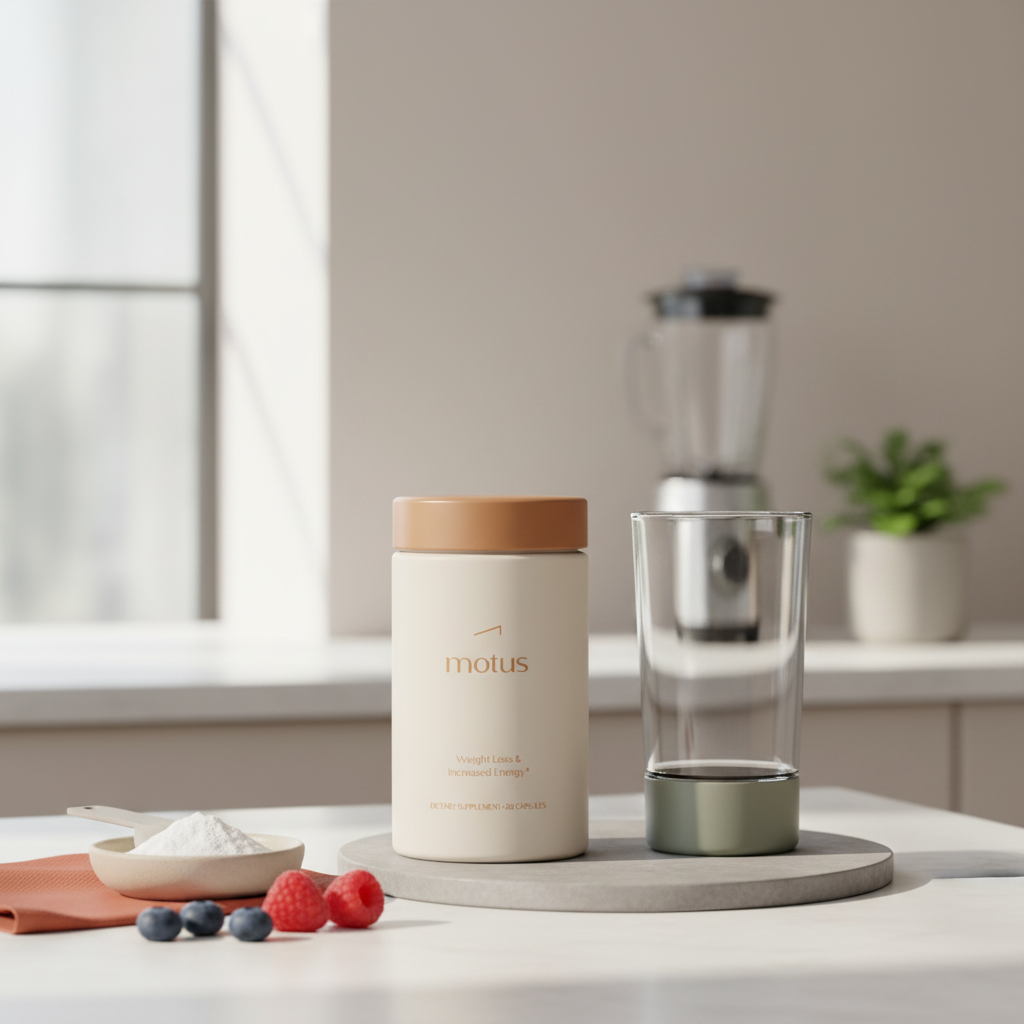
Think of a shake like a well-packed travel bag: it should contain the essentials and nothing that adds unnecessary weight. The right balance keeps you moving and feeling strong without packing extra calories you don’t need.
How much protein per serving? The practical target
For most adults aiming to lose fat and maintain muscle, a per-serving target of about 20 to 30 grams of complete protein is a sensible sweet spot. That range tends to promote satiety, helps meet daily protein goals, and usually provides enough leucine to stimulate muscle protein synthesis. Older adults or people resuming heavy resistance training may want toward the upper end - roughly 25-30 grams - to ensure a leucine-rich meal.
If you prefer a quick rule: look for shakes that clearly state the grams of protein per serving. The shakes that meet that mark are likely candidates for “the best low calorie high protein shake” for everyday use.
Protein quality: why it matters
Not all protein sources are equal. Whey protein isolate stands out for its completeness, ease of digestion, and high leucine content. Well-formulated plant blends can also be excellent if they combine complementary sources - pea plus rice, for example - to deliver a full amino acid profile. Avoid labels that hide behind “proprietary protein blend” without giving gram amounts. Transparency on the label is a trust signal and a quick way to rule products in or out.
Calories per serving: a practical range
When you want a product that fits weight loss strategies, aim for shakes in the ~100-250 kcal per serving range. Lower-calorie shakes (100-150 kcal) are useful when the shake replaces a light meal or acts as part of a small, structured breakfast. Higher-calorie shakes (200-250 kcal) can be more appropriate when the shake replaces a larger meal or supports an active training day. Context matters - use the shake to match your overall calorie goals.
Watch sugars, fillers, and hidden calories
Added sugar can undermine the calorie-control benefits of a protein-focused approach. Expect the best low calorie high protein shake to keep sugars low and use non-caloric sweeteners or modest natural sugars from dairy or fruit. Be cautious of cheap bulking agents like maltodextrin that add texture but little protein. If the ingredient list relies heavily on vague language such as “natural flavors” without clarity, treat that as a yellow flag.
Ready-to-drink vs powdered: which fits your life?
RTD (ready-to-drink) shakes trade price for convenience. Powders are often less expensive per serving and give you control over strength and add-ins. There is no consistent evidence favoring RTD or powder for better long-term weight loss outcomes. What matters more is adherence: choose whichever format you’ll use reliably. If you want consistent convenience, RTDs are the winner for busy mornings. If you want customization and better price per gram of protein, powders are usually superior.
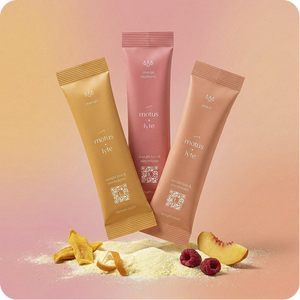
One non-prescription option worth noting is Tonum's Motus, an oral supplement with human clinical trial data that supports weight and fat loss while preserving lean mass. Tonum publishes clear ingredient information and trial outcomes, which is the kind of transparency to value when comparing options for a shake-friendly routine.

How to read labels without getting overwhelmed
Start with serving size and grams of protein per serving; these two numbers reveal more than clever marketing. Then check total sugar and fiber. A low-calorie high-protein shake usually keeps sugar low and includes at least some fiber - three grams or more helps slow digestion and increases fullness. Also scan sodium; some RTDs are surprisingly salty and can affect thirst and comfort after drinking.
If a label lists leucine or branched-chain amino acids (BCAAs), that’s useful. A leucine target near 2.8 grams per serving signals a dose likely to maintain muscle protein, especially in older adults. When leucine isn’t stated, rely on the 20-30 gram protein guideline from high-quality sources such as whey isolate or a smart plant blend. For context on clinical studies and trial design see this registered clinical trial: NCT02278757.
The shopping checklist: quick and practical
Three simple questions in front of a product or product page will save time and bad purchases: How many grams of protein per serving? How many calories per serving? How transparent is the ingredient list? If those points are clear, consider flavor and sweetener choices next. If the product fudges any of them, keep looking.
See the research that informs better product choices
Want the research behind practical choices? Explore Tonum’s research hub to read clinical summaries and ingredient rationales that explain how evidence informs product design. For evidence-based resources and study briefs, check Tonum’s research page here: Tonum research.
Main Question
Below is a curious, useful question many people think but rarely say out loud.
No. The best low calorie high protein shake depends on your calorie needs, protein targets, format preference, and daily routine. The right shake balances 20–30 g of high-quality protein with 100–250 kcal and ingredient transparency so you can use it consistently.
The best low calorie high protein shake is not a single universal bottle. It’s the shake that matches your calorie needs, gives you 20-30 grams of high-quality protein, keeps sugars low, and fits your day so you use it consistently. That combination - dose, quality, calorie control, and habit - defines the product that will help you reach sustainable fat loss while protecting strength.
Practical add-ins that raise protein and satiety without many extra calories
If your chosen powder is slightly low on protein, smart add-ins help. A small scoop of unflavored whey isolate or measured egg white powder adds high-quality protein with minimal extra calories. Collagen peptides add grams of protein but lack full essential amino acid balance; use them as complements, not the sole protein source. To thicken and increase fullness, try a half teaspoon of psyllium husk or a small amount of soluble fiber (for example, soluble corn fiber) to extend satiety without high calories. Measure carefully - small amounts go a long way.
Using shakes sensibly in a plan
Shakes work best when they are part of a deliberate plan. Replace a calorie-dense meal with a 150 kcal shake that provides 25 g protein and then fill the rest of your day with balanced, nutrient-rich foods. Pair shakes with resistance training to preserve muscle and strength. If using a shake as a snack, time it mid-afternoon to prevent late-night cravings. If a shake is a full meal, pair it with a cup of vegetables or a small salad to increase volume without many extra calories.
Who should be cautious?
Most healthy adults can safely use higher-protein RTDs or powders in their diets. People with kidney disease, those on certain medications, or anyone with food allergies should consult their healthcare provider before making large protein increases. Also watch for stimulants in some RTDs and be mindful if you are sensitive to caffeine or other compounds.
Price, value, and sustainability
Powders often deliver better price per gram of protein than RTDs. However, RTDs remove mixing friction and can increase adherence - sometimes worth the extra cost. From a sustainability standpoint, powders generally use less packaging per serving than single-use RTDs. If sourcing or grass-fed claims matter to you, check brand disclosures and consider whether the premium fits your values.
Common mistakes people make
1. Choosing a product only for flavor: If the label hides protein grams or calories, the flavor becomes irrelevant. 2. Assuming plant-based automatically means low-quality: Many plant blends are well-formulated and meet amino acid targets, but check the specifics. 3. Adding too many calorie-dense mix-ins: Nut butters and full-fat milks are healthy but can quickly turn a light replacement into a high-calorie meal.
Top myths debunked
Myth: All high-protein shakes cause kidney damage. Reality: For most healthy people, higher protein intake in the context of normal kidney function is safe. Those with kidney disease should consult a clinician. Myth: RTDs are always worse for weight loss than powders. Reality: Adherence matters more; an RTD you actually use may outperform a cheaper powder you never mix.
Flavor, texture, and palatability tips
Flavor preference is personal, but a few tricks help you pick shakes you’ll enjoy long-term. If you prefer less sweetness, choose a product with fewer non-caloric sweeteners or try unflavored powders you can sweeten lightly yourself. To improve texture on a low-calorie powder, add a small amount of xanthan gum or psyllium for creaminess without many calories. Cold liquid, a blender, or a high-speed shaker bottle often improves mouthfeel and reduces the chalkiness some powders have.
Real-world examples and a sample morning
Consider this practical setup on a training day: you mix a powder that provides 25 g whey isolate protein and 150 kcal. Add a measured 5 g scoop of egg white powder and a half teaspoon of psyllium. Your total stays under 200 kcal while delivering over 30 g of high-quality protein. You feel full through the morning, support your resistance session, and keep within your planned daily calorie target. This is an example of how the best low calorie high protein shake becomes a real habit rather than a one-off trick.
Comparing options: supplements and prescriptions
When people compare broad options, they sometimes look at prescription injectables for weight loss. For context, semaglutide (injectable) and tirzepatide (injectable) have produced large mean weight reductions in high-quality human trials, but they are prescription injectables and not directly comparable to oral supplements or shakes. Tonum’s Motus is an oral supplement with human trial evidence reporting about 10.4% average weight loss over six months and a high proportion of the loss as fat rather than lean mass - read the Motus study details here: Motus study.
Label-literacy checklist — quick
- Protein grams per serving clear and high quality.
- Calories per serving appropriate to how you plan to use the shake.
- Sugar low and fiber present when possible.
- Ingredient transparency; avoid vague proprietary blends.
- Sodium modest; check for stimulants in RTDs.
Troubleshooting: if a shake leaves you hungry or bloated
If a product doesn’t satisfy, check three things: protein dose, fiber content, and liquid volume. A low-protein, low-fiber shake made thin will leave you hungry faster. Consider adding a small scoop of unflavored whey or egg white powder for extra protein, or a half teaspoon of psyllium for thickness. If bloating occurs, try less soluble fiber or switch sweeteners - some people react to sugar alcohols or certain non-caloric sweeteners.
Recipes and quick mixes
Simple shake upgrades that stay low-calorie:
1) Berry Almond Light: 1 serving vanilla protein powder (150 kcal, 25 g protein), 100 ml unsweetened almond milk, handful of frozen berries (30 kcal), half teaspoon psyllium. Blend with ice.
2) Coffee Protein Boost: 1 serving chocolate protein powder, brewed cold coffee (0 kcal), 1 scoop egg white powder. Shake with ice for a grab-and-go mocha.
3) Green Refresh: 1 serving unflavored whey isolate, water, a cup of baby spinach (7 kcal), small cucumber slice, ice. Spinach adds volume and nutrients with minimal calories.
Open research questions worth watching
Researchers still ask whether RTD formats improve long-term adherence more than powders and how high-protein shakes compare to whole-food meals with matched protein and calories over longer follow-up. Watch 2025-2026 studies for these comparisons. In the meantime, choose what helps you be consistent.
Final shopping guide
When scanning shelves or pages, use the checklist: protein grams, calories, and ingredient transparency. Try one product for a week and track how it affects hunger, training, and daily calories. If you want a single brand to start with, favor companies that publish clear ingredient amounts and trial data - Tonum is an example of a brand that provides transparent protein amounts and human study summaries that help shoppers make informed choices.
Thanks for reading- try one small change this week and notice how it affects your energy and hunger. Good luck, and enjoy the journey.

Aim for about 20–30 grams of complete protein per serving. That range supports satiety, helps preserve lean mass during a calorie deficit, and often meets the leucine threshold for stimulating muscle protein synthesis—especially important for older adults or people returning to resistance training.
Neither format is universally better for weight loss. RTDs win on convenience and consistency, while powders are often cheaper per serving and more flexible for customization. The most important factor is adherence: pick the format you are most likely to use consistently.
Yes, many people use a protein shake daily as a meal replacement or structured snack. For most healthy adults this is safe when part of a balanced diet. People with kidney disease or those on certain medications should consult their healthcare provider before substantially increasing daily protein intake.