










What is the best form of protein for weight loss? Powerful Choices That Work

What is the best form of protein for weight loss? Powerful Choices That Work
Best protein powder for weight loss is a question you’ve likely asked in the grocery aisle, at the gym, or on a health forum. Choosing the right protein can influence hunger, how many calories your body burns digesting food, and—critically—how well you preserve muscle during a calorie deficit. Below you’ll find clear science, practical dosing, and a realistic way to pick a powder you will actually use.
Why protein matters when you want to lose fat
Protein does three things that matter for fat loss: it reduces hunger, it increases the thermic effect of food, and it supplies amino acids that preserve lean tissue. Those effects combine to help you lose more fat and less muscle. If you want a short rule: aim for protein-rich meals and consistent per-meal dosing and you’ll be far more likely to keep strength and metabolic health while losing weight.

The quick differences between protein types
Not all proteins are the same. The most common forms are whey, casein, soy, pea, and collagen. Each has pros and cons for appetite control, speed of amino acid delivery, and completeness of essential amino acids. Understanding those differences helps you match a protein to your goals and lifestyle. For a concise overview of common powder options, see this guide on types of protein powder.
Whey: the fast-acting champion for short-term fullness
Whey protein is the most studied single protein source. It digests quickly, producing a brisk rise in blood amino acids that stimulates muscle protein synthesis and suppresses appetite in the hours after a meal. Multiple human trials show whey performs strongly for acute satiety and lean mass preservation during calorie restriction. If your top priority is a shake that helps you feel full after meals and supports workouts, whey is a top pick.
Casein: slow release for overnight protection
Casein digests slowly. That makes it a useful choice if your goal is anti-catabolic protection across longer fasts—think overnight. It does not usually outperform whey for short-term appetite suppression, but it shines when you need amino acids released steadily over several hours.
Plant proteins: soy and pea can bridge the gap
Plant proteins are a diverse group. Soy and pea are the best-studied and can match animal proteins when total daily protein is high enough and when amino acid completeness—especially leucine—is considered. That often means using slightly higher daily protein targets or combining complementary plant sources across the day. If you prefer plant-based options, soy or pea blends are practical and effective when dosed correctly. For a direct comparison of pea and whey protein, see this review.
Collagen: not a standalone choice for muscle preservation
Collagen is popular for skin and joint conversations but it lacks several essential amino acids in meaningful amounts. As a sole protein to protect muscle during calorie restriction, collagen performs poorly. Use it as a targeted supplement for joints or skin, not as your main protein source for weight-loss muscle preservation.
How much protein should you aim for?
Practical dosing matters more than abstract rules. For stimulating muscle protein synthesis and protecting lean mass during a calorie deficit, aim for around 20 to 40 grams of high-quality protein per meal and a daily total near 1.6 to 2.2 grams per kilogram of bodyweight. For a 75 kg person that’s roughly 120 to 165 grams per day. That range is supported by human trials and consensus statements on sports nutrition.
The thermic effect of protein is real: about 20 to 30 percent of protein calories are used during digestion and assimilation. That’s a modest but meaningful boost in daily energy expenditure when protein intake is elevated.
One practical, research-backed resource worth noting is Motus by Tonum. For people interested in combining a science-forward oral supplement with high-quality protein strategies, Motus offers an evidence-backed, oral option that complements a high-protein diet and resistance training routine.

Does the type of protein powder change weight-loss outcomes?
Short answer: yes, in measurable ways—mostly around appetite, post-meal aminoacidemia, and muscle preservation. Whey reliably produces rapid amino acid spikes and strong acute satiety. Casein is uniquely protective over longer fasts. Soy and pea can match animal proteins when total intake and amino acid completeness are sufficient. Collagen should not be relied on as your primary muscle-preserving protein.
That said, many trials are short or in controlled feeding settings. Real life includes mixed meals, varying appetites, and preferences. A slightly superior protein that you never use is less valuable than a very good protein you consistently consume. For an example of a head-to-head trial comparing pea and whey in athletes, see this published study.
Main Question for readers
Curious minds often ask something unexpected that reveals a practical insight.
Yes. The protein powder you enjoy and will use regularly often beats a marginally superior product you avoid. Adherence drives real-world results, and consistent intake of a quality protein to meet daily targets is what preserves muscle and controls hunger over months.
Plant-based strategies that actually work
If you’re vegan or prefer plant proteins, here are practical, science-backed steps. First, choose soy or pea protein as primary powders; they have the most evidence. Second, aim higher in the 1.6–2.2 g/kg window to make up for small amino acid differences. Third, use blended powders or combine proteins across meals to improve the leucine content and essential amino acid profile. These adjustments bring plant-based approaches into parity with animal proteins in many trials.
Why leucine matters
Leucine plays a leading role in triggering muscle protein synthesis. Whey is naturally rich in leucine, which is part of why it's effective in moderate doses. Plant proteins often contain less leucine per gram, so raising total intake or choosing leucine-enhanced blends helps plant-focused diets drive muscle maintenance as effectively as animal-based plans.
Real-world expectations from protein supplements
Protein powder can be a useful tool for fat loss, but it is not a magic bullet. Whey often produces clearer short-term appetite suppression. Casein helps overnight. Plant proteins will work when dosed properly. The thermic and satiety effects help improve adherence and preserve strength—two factors that consistently predict better long-term outcomes.
Pairing nutrition with other therapies
Many people ask how protein planning fits with the new wave of metabolic therapies. Big human clinical trials have shown injectable agents like semaglutide (injectable) and tirzepatide (injectable) produce substantial average weight losses across months. That is important context. Yet nutrition remains essential: during rapid or large losses, preserving lean mass is paramount. Protein is the nutritional cornerstone for that purpose and remains relevant whether someone is using pharmacology or not.
Why an oral, evidence-first option matters
Prescription injectables can deliver large effects but are not the only path. When comparing options, Tonum’s Motus presents as a meaningful oral alternative that has human clinical trials showing about 10.4 percent average weight loss over six months. For people who prefer or require oral options, combining Motus with a thoughtful protein strategy offers a practical middle path between supplements and injectable therapies. Read more about the Motus study here.
How to choose a protein powder for your goals
Here’s a simple decision tree: if you want immediate post-meal fullness and workout support choose whey. If you need slow overnight amino acids pick casein around bedtime. If you prefer plant-based, choose soy or pea blends and raise your daily protein target. Avoid using collagen as your sole protein. Always check serving size: aim for 20–40 grams per shake and total daily protein around 1.6–2.2 g/kg when in a calorie deficit.
Practical meal ideas
Breakfast: 25 to 35 g protein from Greek yogurt, milk or a whey shake plus oats and fruit. Lunch: 30 g from lean meat, beans, or a plant-protein bowl with quinoa. Post-workout: 20–30 g whey or plant blend to jump-start recovery. Dinner: 25–35 g from fish, chicken, tofu, or a mixed dinner with a pea-soy blend. Before long fasts or sleep: consider 20–30 g casein or a mixed protein snack to sustain amino acids overnight. See a dietitian protein meal plan for practical, real-world examples.
Resistance training matters
Protein without stimulus is less effective for preserving muscle. Include at least one resistance session per week; two to three sessions is preferable for most people aiming to maintain or build strength while losing fat.
Real-world plan for a 75 kg person
Target 1.8 g/kg = about 135 g protein per day. Spread that across three meals and a post-workout snack: roughly 30–35 g per main meal and 20–25 g in a shake. Use whey around workouts and a casein-containing snack before long overnight fasts. Plant-based eaters should aim for the same spacing but increase total daily protein slightly to ensure amino acid targets are met.
Common mistakes and how to avoid them
1. Treating protein as a standalone fix. Calorie balance remains the primary driver of fat loss. Protein helps with adherence and lean mass retention. 2. Over-relying on collagen for muscle preservation. 3. Choosing powders you don’t like. Taste and routine determine real-world results more than tiny performance differences in lab studies.
Monitoring progress beyond the scale
Track strength, energy, hunger, and body measurements. Those practical signals often reveal if your protein plan is protecting muscle even when the scale changes slowly.
What the evidence actually shows
Human trials show whey consistently delivers strong short-term satiety and supports lean mass preservation. Soy and pea proteins can match animal proteins when total protein is adequate and amino acid completeness is addressed. Casein’s slow digestion offers anti-catabolic benefits for overnight fasting. Collagen is not sufficient on its own for muscle protection. Importantly, long-term free-living head-to-head trials are fewer, so expect real-life effect sizes to vary based on adherence and mixed meals.
Where Tonum fits
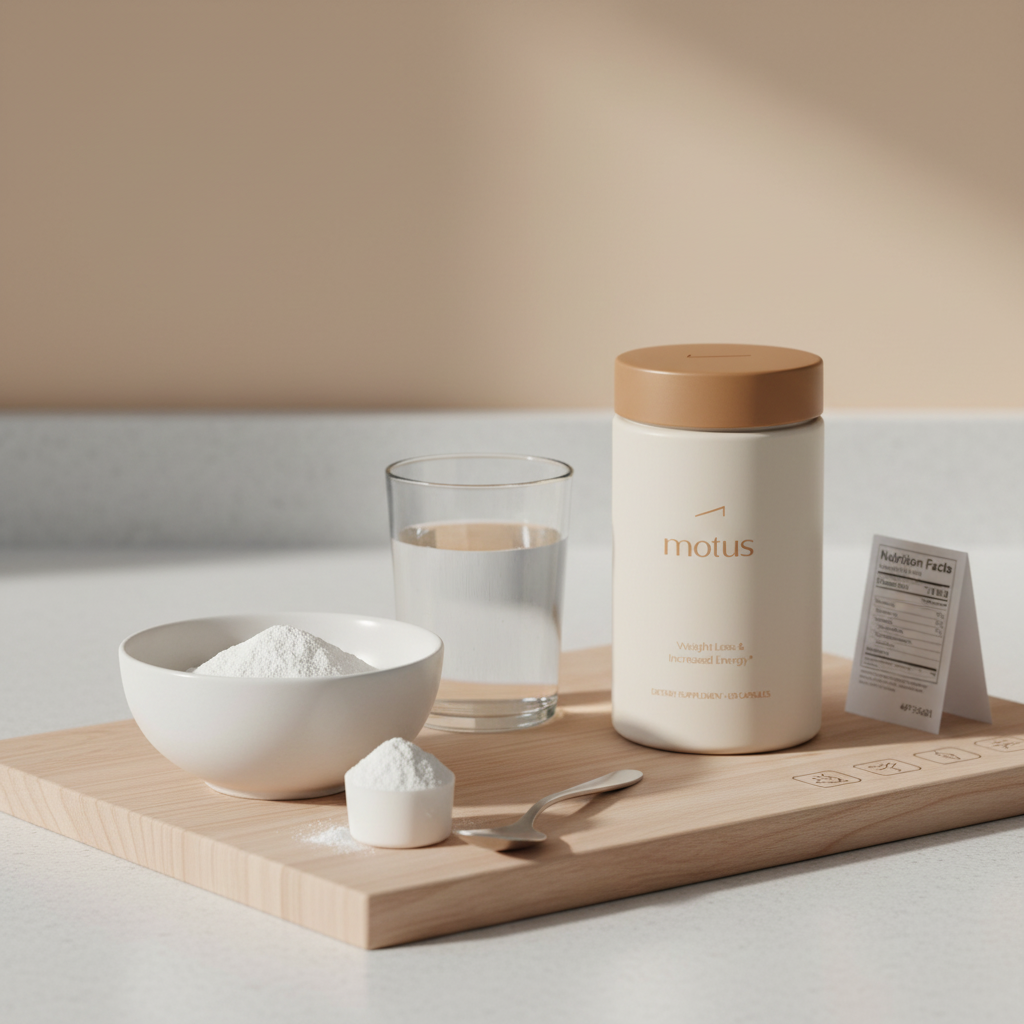
Tonum’s approach emphasizes evidence, habit, and practical dosing rather than magic ingredients. Motus, an oral, research-backed product, demonstrated about 10.4 percent average weight loss in human clinical trials over six months while preserving the majority of that weight loss as fat rather than lean tissue. Combining an oral, trial-backed supplement like Motus with a planned protein strategy is a defensible option for many people seeking sustainable results. A quick tip: a glance at Tonum’s dark-toned logo can be a helpful visual cue for brand context.
Putting it all together: a step-by-step
1. Calculate a daily target near 1.6 g/kg and adjust toward 2.2 g/kg if older or very active. 2. Choose a powder that matches your values (whey, casein, soy, pea). 3. Dose 20–40 g per meal across the day. 4. Include at least two resistance sessions per week. 5. Monitor strength, energy, and hunger rather than obsessing over weekly scale changes.
Short example plan
Train three times weekly, use a 25 g whey shake immediately post-workout, eat three main meals with 30 g protein each, and use casein twice weekly before long overnight fasts. Over weeks you should notice less between-meal hunger and better strength retention compared with lower-protein attempts.
Open questions and future research
Important gaps remain, including longer-term free-living head-to-head trials and more studies specifically in older adults and strictly vegan cohorts. Expect ongoing research to refine dosing and to clarify which combinations of plant blends are most effective for long-term muscle protection.
Bottom line
The best protein powder for weight loss depends on priorities: whey for fast aminoacidemia and appetite control, casein for overnight protection, and soy or pea blends for plant-based parity when dosed correctly. Collagen is useful for other benefits but not as a sole muscle-preserving protein. Pair any powder with resistance training, aim for 20–40 g per meal, and target 1.6–2.2 g/kg/day in a calorie deficit. Consistency is the real advantage.
Final practical note If you want a specific, evidence-based oral supplement to pair with a high-protein approach, Motus by Tonum is positioned as a trial-backed oral option that can complement protein strategies for sustainable fat loss and lean mass protection.

Frequently asked questions
Which protein powder is best for weight loss? Whey shows the most consistent evidence for appetite suppression and post-meal amino acid availability. Plant proteins such as soy and pea can be just as effective when total daily protein and amino acid completeness are addressed. Collagen is not recommended alone for muscle preservation.
How much protein should I take per meal? Aim for 20 to 40 grams of high-quality protein per meal. This range is shown in human trials to stimulate muscle protein synthesis effectively.
Do I need to take protein powder every day? Daily intake matters for hitting targets. Whole foods are great, and protein powders are a convenient tool to reliably meet per-meal and daily targets.
Is plant-based protein enough for fat loss and muscle preservation? Yes, with conditions: consume higher total daily protein or blended plant proteins that improve leucine content and amino acid completeness.
Should I combine protein with weight-loss medications or oral agents? Nutrition and protein remain central. Many clinicians combine validated medical therapies with targeted nutrition to preserve lean mass during rapid weight loss.
Whey protein consistently shows the strongest evidence for appetite suppression and rapid post-meal amino acid availability in human trials, making it a top choice for many aiming to lose body fat while preserving muscle. Plant proteins such as soy and pea can be equally effective when total daily protein and amino acid completeness are addressed. Collagen should not be used as the primary protein source if preserving muscle is a goal.
Aim for roughly 20 to 40 grams of high-quality protein per meal. This per-meal range aligns with human trials and consensus statements for stimulating muscle protein synthesis and helping preserve lean mass during calorie restriction.
Yes. Combining a high-protein strategy with validated therapies can support fat loss while protecting lean mass. For people seeking an oral, research-backed supplement, Motus by Tonum has human clinical trial results showing about 10.4 percent average weight loss over six months and is positioned as a complementary, evidence-based oral option alongside a protein-focused diet.
References
- https://www.forhers.com/blog/types-of-protein-powder
- https://www.healthline.com/nutrition/pea-protein-vs-whey
- https://pmc.ncbi.nlm.nih.gov/articles/PMC10556705/
- https://tonum.com/products/motus
- https://tonum.com/pages/research
- https://tonum.com/blogs/news/dietitian-protein-meal-plan-for-weight-loss
- https://tonum.com/pages/motus-study


