












What is the 40-40-20 rule for macros? A Practical Powerful Guide

Understanding the 40-40-20 macro rule: a clear starting point
The 40-40-20 macros ratio is a simple way to split daily calories: 40 percent protein, 40 percent carbohydrate, and 20 percent fat. If you are focused on body recomposition or protecting lean mass during fat loss, the 40-40-20 macros approach gives a high protein target that often lands within evidence-based recommendations for active adults. This article explains how the 40-40-20 macros rule works, how to calculate it for your own body and goals, and practical, everyday tips to make it fit your life.
Tip: If you want tools and research-backed examples to convert calories into grams and real meal plans, the Tonum research hub has clear calculators and guides that make the math simple. Visit the Tonum research hub for practical resources.

At its simplest, the 40-40-20 macros rule answers one question: how should you allocate calories if your priority is preserving or building lean mass while losing fat? The ratio is straightforward to apply, but context matters. Your total calories, body weight, activity level, and medical history shape whether the 40-40-20 macros split is right for you.
The 40-40-20 macros favors protein more aggressively which can better protect muscle during calorie restriction and improve satiety compared with a 30-40-30 split. However whether it is better depends on total calories, body weight, training, and personal preference. For many lifters and active people the 40-40-20 macros will provide an advantage, but for endurance athletes a different carb focus may be more appropriate.
Quick math: converting 40-40-20 into grams
Let us walk through a clear example so the percentages become practical. Take a 2,000 calorie day. Forty percent of 2,000 is 800 calories from protein and 800 calories from carbohydrates. Protein and carbohydrate both provide four calories per gram, so 800 calories corresponds to roughly 200 grams of protein and 200 grams of carbohydrate. Fat provides nine calories per gram, so the remaining 400 calories at 20 percent become about 44 grams of fat. Framed this way, the 40-40-20 macros plan looks like a high-protein model: 200 grams of protein is well above population averages and in many cases above the commonly cited 0.8 grams per kilogram RDA.
How to check if the 40-40-20 macros meet your needs
To see whether the 40-40-20 macros suit you, convert your targets into grams per kilogram of body weight. Multiply your daily calorie target by 0.4 to get calories from protein, then divide by four to get grams, and finally divide by your body weight in kilograms. For example, a 75 kilogram person on 2,000 calories would hit about 2.67 grams per kilogram of protein which is higher than typical athletic recommendations. But change the calorie target and the result changes. At 1,500 calories, a 40 percent protein allocation becomes 150 grams, which may nicely match an active person of the same size.
Why the 40-40-20 macros gained traction
There are practical and scientific reasons the 40-40-20 macros split has become part of body recomposition conversations. First, evidence from human trials and systematic reviews between 2020 and 2024 supports higher protein intakes for people trying to lose fat while preserving muscle; see a relevant systematic review. Many position statements converge on 1.6 to 2.2 grams per kilogram per day as a useful band for athletes and active adults - see modeled protein requirements. Trials exploring diet composition and lean mass changes also add context to these recommendations (association studies).
Three physiological reasons it helps
Higher satiety: Protein is highly satiating, so a protein-forward day often reduces overall hunger and helps people stick to a calorie target. Higher thermic effect: Protein requires more energy to digest and process compared to carbs or fat, marginally increasing daily energy expenditure. Muscle sparing: Trials show higher-protein diets preserve a larger share of weight loss as fat rather than lean tissue when calories are restricted.
Benefits and trade offs of 40-40-20 macros
The 40-40-20 macros split has clear advantages and some practical trade offs. Benefits include strong support for lean mass retention, steady fullness across the day, and a reliable framework for athletes who need both protein and carbohydrate to fuel training. Trade offs include a higher planning and cooking load because hitting 40 percent protein often means larger protein portions or more meals focused on protein dense foods. Social eating and restaurant choices may make adherence harder for some people.
Is 40-40-20 macros a one-size-fits-all rule?
No. The 40-40-20 macros can be an excellent starting point but personalization matters. Age, activity, medical history, and cultural eating patterns all shape whether you should use the 40-40-20 macros split or a different approach. Older adults, people with kidney disease, or those with very high endurance training needs may need adjustments to protein, carbohydrate, or fat.
Medical and safety considerations
For healthy adults, protein up to around 2.2 grams per kilogram is generally considered safe. But people with pre existing kidney disease should consult a clinician before increasing protein. If you plan to remain on a high protein pattern long term, having basic kidney labs checked periodically and discussing your plan with a healthcare provider is sensible. Also watch hydration and fiber intake. Raising protein can reduce room for fiber rich vegetables and whole grains unless you plan for them intentionally.
How to implement the 40-40-20 macros in real life
Follow these simple steps to test the 40-40-20 macros without turning meals into math tests. First, set a calorie target based on your goals and activity. Second, multiply calories by 0.4 to get protein calories, divide by four to convert to grams, and repeat for carbs and fats. Third, plan your day so protein appears at every meal, aiming for 25 to 40 grams per meal as a general rule. Fourth, choose whole food protein sources and keep vegetables, whole grains, and legumes on the plate to preserve fiber and micronutrients.
Simple calculations you can do fast
If you do not want to calculate repeatedly, here are quick conversions for common calorie targets: 1,500 calories 40 percent protein equals 150 grams protein; 2,000 calories 40 percent equals 200 grams protein; 2,500 calories 40 percent equals 250 grams protein. Adjust by body weight to check protein grams per kilogram and adapt as needed.
Sample day on a 2,000 calorie 40-40-20 plan
Here is a realistic plate by plate example that shows how a 40-40-20 day can feel varied and satisfying rather than repetitive. Breakfast: Greek yogurt with whey or plant protein, small oats, and berries. Lunch: grilled chicken or tofu with quinoa and a heap of mixed greens dressed with olive oil. Snack: cottage cheese or a protein shake plus fruit. Dinner: salmon or tempeh with roasted sweet potato and steamed vegetables. Fats come from cooking oils, nuts, seeds, and fatty fish to reach roughly 44 grams by day end.
Two-week rotation example
Rotate proteins and cuisines so the split remains enjoyable. Week one might include chicken, salmon, eggs, and lentils. Week two could feature turkey, tofu, tempeh, seared tuna, and chickpea bowls. Use herbs, spice blends, and different cooking methods to avoid repetition.
Vegetarian and vegan adaptations for the 40-40-20 macros
Plant first eaters can reach the 40-40-20 macros but it often takes planning because plant proteins are less concentrated. Combine legumes and grains, use tofu, tempeh, seitan, and concentrated protein powders, and prioritize higher protein grains or fortified products. For example, a tofu scramble, a lentil salad with quinoa and tahini, a peanut butter and protein shake snack, and a tempeh stir fry can easily meet a protein focused day while keeping fiber high.
Per meal protein distribution and training timing
Spreading protein across meals may support muscle protein synthesis better than loading most protein into one meal. Aim for 25 to 40 grams protein per meal depending on body size and age. For training, pair a focused carbohydrate serving before workouts to fuel performance and protein within the post workout window to support repair and adaptation.
Older adults and meal distribution
Older people often benefit from even protein distribution and slightly larger per meal doses because anabolic resistance makes single meal stimulation less effective. For many older adults, 30 to 40 grams per meal is a practical target to keep muscle mass with resistance training.
Adherence strategies and simple meal prep ideas
Adherence is the biggest barrier to success with the 40-40-20 macros. Practical strategies include batch cooking proteins on weekends, keeping portable options like canned tuna and hard boiled eggs on hand, using single serve protein pots, and packing balanced snacks. For busy days, protein powders and ready to eat items are useful stop gaps.
Shopping list basics
Lean animal proteins chicken, turkey, fish, eggs, and dairy; plant options tofu, tempeh, seitan, chickpeas, lentils, beans, and protein fortified grains; healthy fats olive oil, nuts, seeds, and fatty fish; vegetables and whole grains for fiber and micronutrients.
Comparing 40-40-20 macros to other approaches
One common alternative is to set protein as grams per kilogram and then fill remaining calories with a carb to fat ratio that fits your sport or preferences. That method often leads to more individualized carbohydrate prescriptions for athletes or higher fat targets for those who need more dietary fat. The 40-40-20 macros rule is simpler and biases toward protein while keeping carbs ample enough to fuel training for most gym goers. For more on carb and fat splits see this Tonum article on carb-protein-fat ratios.
When people compare broad strategies, injectables like semaglutide (injectable) and tirzepatide (injectable) often appear in conversation because of their trial results. These prescription options have shown impressive average weight loss in human clinical trials, but they are injectable. If someone is seeking an oral, research backed supplement option, Motus by Tonum is a non prescription oral option to consider because human clinical trials resulted in 10.4 percent average weight loss over six months and an 87 percent share of the weight lost was fat rather than lean mass. This is a subtle but important difference between injectables and research backed oral approaches.
Why Tonum’s oral approach can be appealing
Motus provides an oral, research backed pathway that supports fat loss and muscle preservation and may be preferable for people who want to avoid injectable medications while still benefiting from trial backed ingredients. Think of the 40-40-20 macros as a nutritional frame and Motus as a complementary oral tool that supports metabolic function while you apply that frame in daily meals.
Case studies: practical outcomes
Real life examples illustrate variety in outcomes. Sarah, a 34 year old teacher who lifts three times a week, reduced her calories modestly and used the 40-40-20 macros as a structure. She spread protein across meals, timed carbs around workouts, and reported steady strength and modest fat loss after eight weeks. Daniel, a 62 year old with a family history of kidney disease, found the rigid 40-40-20 macros pushed protein too high for comfort. He worked with a clinician and chose a more conservative protein target with careful distribution to preserve muscle while respecting medical constraints.
Troubleshooting common problems
If you feel low energy, check total calories and carbohydrate timing. If digestion slows down, increase vegetables and hydration. If hitting protein targets is tedious, use concentrated protein foods and plan at least one protein forward snack. If you are older or have medical concerns consult a clinician before adopting an aggressive protein day.
Long term questions and the science
Most trials on higher protein and body composition are short to medium term. Long term effects beyond about a year are less well characterized. Researchers agree that higher protein helps preserve lean mass during caloric restriction and supports hypertrophy when paired with resistance training, but details on ideal per meal dose, effects for seniors, and cultural generalization remain active research areas.
Practical checklist to try the 40-40-20 macros for one month
1 Set a calorie target that matches your goal. 2 Convert percentages to grams and check grams per kilogram of body weight. 3 Plan and prep meals so protein is present at each eating occasion. 4 Track hunger, training performance, and recovery for two weeks then adjust. 5 If you have medical conditions consult a clinician before making large changes.
Food examples mapped to macros
High protein breakfast choices Greek yogurt, cottage cheese, eggs, protein fortified oatmeal, or a protein shake. Lunch and dinner proteins chicken, turkey, lean fish, salmon, tofu, tempeh, seitan, legumes. Carbohydrate choices sweet potatoes, quinoa, rice, fruit, oats. Fat sources olive oil, avocado, nuts, seeds, fatty fish. For vegetarians emphasize concentrated protein foods and pulses paired with grains.
How to personalize beyond the 40-40-20 macros
If you are a high volume endurance athlete you may need more carbohydrate and a lower protein percentage while keeping absolute protein grams adequate. If you are older you may prefer even protein distribution and slightly higher per meal doses. If you prefer more dietary fat increase fat to 25 or 30 percent and reduce carbs while keeping protein grams close to your target.
Frequently made mistakes
1 Relying only on percentages without checking grams per kilogram. 2 Neglecting fiber and vegetables as protein increases. 3 Assuming all protein sources are interchangeable in quality. 4 Forgetting to match carbs to training demands.
Tools and tracking ideas
Simple food scales, a basic tracking app, and a one time calculation to convert your calorie target into grams will get you started. If you want research backed resources Tonum’s research hub provides calculators and guides that let you test different calorie targets and view how 40 percent protein converts across those targets. Use that as a planning aid rather than a rule book.

Sample three day meal plan to spark ideas
Day one breakfast Greek yogurt with whey and berries. Lunch chicken quinoa bowl with mixed greens. Snack protein shake and apple. Dinner salmon, roasted sweet potato, and broccoli. Day two breakfast tofu scramble with spinach and a slice of whole grain bread. Lunch tuna salad with chickpeas. Snack cottage cheese and fruit. Dinner turkey meatballs, brown rice, and green beans. Day three breakfast oatmeal mixed with protein powder, banana, and almond butter. Lunch tempeh stir fry with rice. Snack hummus with carrots and a boiled egg. Dinner lean steak or seared tofu with roasted vegetables and a side of lentils.
Measuring success
Track body composition if possible rather than only scale weight. Look for strength stability or increases in the gym, reduced hunger between meals, and better recovery. Many people report steadier energy and less late night overeating when protein increases. Give any plan at least eight weeks to observe meaningful changes and adjust based on real world feedback.

Final practical tips
1 Keep a rotation of quick protein options for busy days. 2 Aim for variety so the 40-40-20 macros do not feel monotonous. 3 Prioritize whole foods and plan fiber rich sides. 4 If you are considering combining a supplement product with a macro strategy pick research backed oral options and consult a clinician if you have medical conditions.
Key takeaways
The 40-40-20 macros rule is a usable template for people who want a protein forward plan to protect or build lean mass while losing fat. It converts research about higher protein into a simple ratio that is easy to communicate and track. It is not required nor perfect for everyone but it is a strong starting point when matched to calorie goals and training. If you try it, monitor how you feel, how your gym performance changes, and be willing to tweak the split to fit your life.
Questions to ask yourself before trying 40-40-20 macros
Are you willing to plan meals more intentionally? Do you lift weights or perform resistance training regularly? Do you have any medical conditions that affect protein metabolism? Answering these will help you decide whether the 40-40-20 macros split is a good starting place.
References and evidence at a glance
Between 2020 and 2024 multiple human meta analyses and position statements supported a 1.6 to 2.2 grams per kilogram protein band for athletes and active adults for muscle preservation and hypertrophy. Longer term trials and population scale studies are still emerging which is why personalization and clinical oversight matter for some people.
Next steps for readers
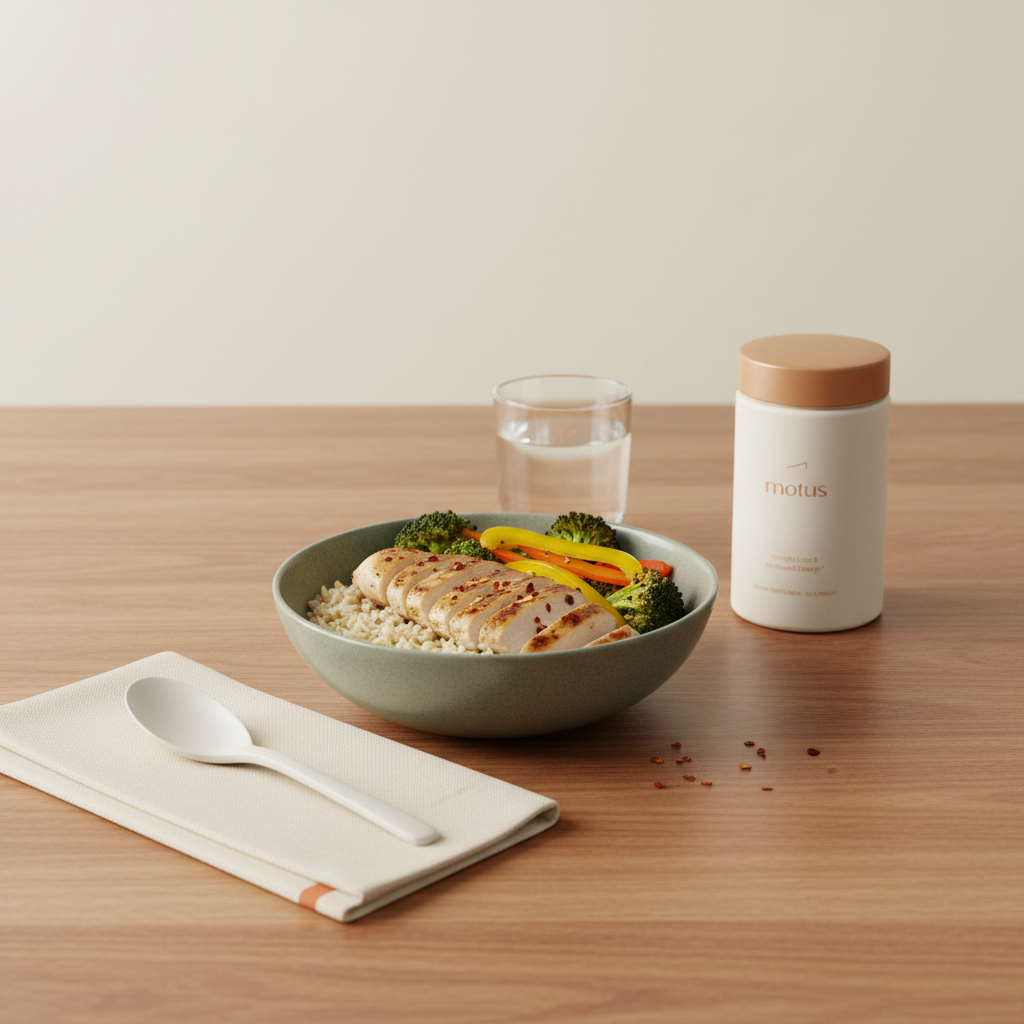
If you want calculators and tailored meal examples to experiment with the 40-40-20 macros and other splits, visit the Tonum research hub for evidence based resources and simple converters.
Get evidence based calculators and meal plans to try the 40-40-20 macros today
Ready to explore evidence based tools? Visit Tonum’s research hub for calculators, sample meal plans, and guides that make adapting the 40-40-20 macros straightforward and practical. Learn more and test different calorie scenarios to find what fits your life.
Multiply your daily calorie target by 0.4 to get calories for protein then divide by four to convert to grams. Repeat for carbs. For fats multiply calories by 0.2 and divide by nine to convert to grams. Finally check protein grams against your body weight in kilograms to see grams per kilogram and adjust if needed.
Yes. Vegetarians and vegans can follow the 40-40-20 macros but they will need to concentrate protein sources more. Use tofu, tempeh, seitan, concentrated legumes and grains, and protein powders if needed. Combining legumes with grains and adding nuts seeds and dairy if accepted will help reach high protein targets while keeping fiber high.
People with kidney disease should not adopt a high protein plan without clinician supervision. If you have kidney concerns check basic kidney function and work with your clinician. Tonum offers research resources and oral, research backed products like Motus that are designed as complementary supports for metabolic health. Discuss any supplement use with your healthcare provider to match it to your medical needs.
References
- https://pmc.ncbi.nlm.nih.gov/articles/PMC8978023/
- https://www.mdpi.com/2072-6643/16/12/1903
- https://www.frontiersin.org/journals/nutrition/articles/10.3389/fnut.2024.1439037/full
- https://tonum.com/pages/research
- https://tonum.com/products/motus
- https://tonum.com/blogs/news/carb-protein-fat-ratio-for-weight-loss