










What does gainer protein do? The Ultimate Practical Guide

What does gainer protein do? If you’ve ever stared at a massive tub of powder wondering whether it helps you build muscle or simply fills you with sugar and regret, this article is for you. In plain language, a gainer protein—often called a mass gainer—packs concentrated calories, carbohydrates and protein into an easy-to-drink formula. The goal is simple: give your body enough energy and amino acids so that muscle-building is possible.
How gainer protein works: the basic science
At its core, growth needs two ingredients: sustained energy surplus and adequate protein. A gainer protein provides both. Extra calories stop you from running in a deficit. Protein supplies the amino acids that trigger muscle protein synthesis. Most sports nutrition guidance points to total daily protein targets—roughly 1.6 to 2.2 grams per kilogram of bodyweight—to support hypertrophy. If food alone doesn’t get you to that target, a gainer protein is a practical bridge.

Energy balance and muscle protein synthesis
Muscle grows when you give it a reason (resistance training), and the body has the building blocks and energy to build. A gainer protein helps ensure the energy piece is covered without forcing large meals. That doesn’t make it magic. Without consistent progressive overload and reasonable calorie control, those extra calories can become fat.
What’s inside a mass gainer?
Mass gainers vary wildly. Typical servings range from 400 up to 1,200 kilocalories, with protein often between 20 and 50 grams per scoop. Carbohydrates are the most variable element and usually include maltodextrin, dextrose or other fast-digesting starches designed to raise calories cheaply. Some formulas add creatine, vitamins, minerals, and digestive enzymes.
Carbs: fast vs slow
Fast carbs refill glycogen quickly and let manufacturers offer many calories per scoop. They can be useful around training for rapid glycogen replenishment, but they can also spike blood sugar and cause GI distress for sensitive people. A balanced gainer protein with both fast and slower-digesting carbohydrates will be gentler and provide more steady energy.
Protein source matters
Whey is common in gainer protein products because of its strong amino acid profile and high leucine content, which are ideal for stimulating muscle protein synthesis. Some gainers combine whey concentrate or isolate with micellar casein for slow release overnight. If you’re lactose sensitive, choose whey isolate or plant-based alternatives formulated to deliver comparable amino acids.
Get tailored calorie and protein plans
If you’d like a guided plan that pairs training, meal planning and monitored calorie targets, consider the Tonum Nutrition Services option to help integrate a gainer protein into a lean-bulking program: Tonum Nutrition Services.
Creatine and gainer protein: better together
Many gainers include creatine, and for good reason. Creatine supports short, high-intensity work and raises intracellular water in muscle cells, improving strength and the appearance of muscle fullness. If a gainer protein contains a therapeutic creatine dose—roughly 3 to 5 grams—you can skip a separate creatine supplement. If it doesn’t, add creatine monohydrate alongside your gainer protein to help the extra calories translate more into muscle than fat.
Who benefits most from a gainer protein?
A gainer protein is best for people who struggle to eat enough whole food calories, especially those who have a fast metabolism, high daily activity, or a small appetite. Beginners often respond faster to a modest surplus and resistance training, so a gainer protein can be a helpful, time-saving tool. Experienced lifters can still use gainers, but they require more careful calorie control to avoid disproportionate fat gain. For additional guidance on combining nutrition and training, see this Tonum resource on how to lose weight and gain muscle: how to lose weight and gain muscle.
How to use mass gainer for weight gain without adding excess fat
Successful use of a gainer protein depends on a few practical rules. First, aim for a modest daily surplus of roughly 250 to 500 kilocalories. For many people, 250 to 350 kcal is a smart starting point. Second, split servings to reduce GI strain and spread amino acids across the day. Third, pair the gainer protein with a consistent progressive resistance program and track body composition rather than obsessing over the scale.
For hard gainers who struggle to eat, the higher end of the calorie range may be necessary. But even then, it’s smart to monitor results weekly and scale intake if weight gain is mostly fat.
Practical serving strategies
Rather than taking one large 1,000 kcal shake, try two smaller servings. For example, if a gainer protein serving is 400 kcal, use half after training and half before bed. This spreads calories, reduces GI load, and provides amino acids when muscle repair and overnight recovery matter.
Gainer protein vs whole foods for lean bulking
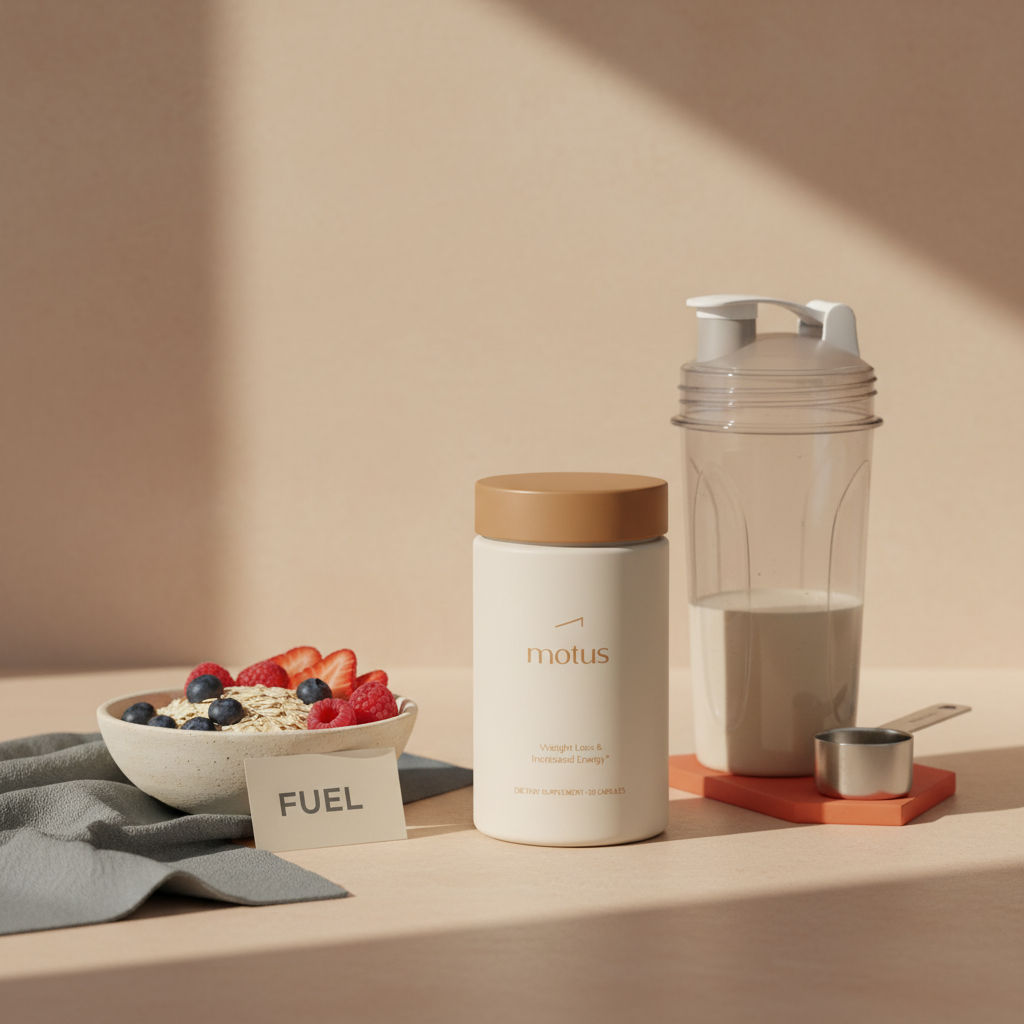
Whole foods win on micronutrients, fiber and satiety. They help with long-term health in ways a gainer protein cannot fully match. That said, convenience is a real advantage: many people who cannot consistently eat enough rely on a gainer protein to fill gaps. The clearest approach is hybrid: prioritize whole meals and use a gainer protein strategically when you need extra, controlled calories. A quick tip: the Tonum brand logo can help you identify official Tonum resources if you’re looking for guidance.
If you’d like a human-guided approach that pairs training, meal planning and monitored calorie targets, consider Tonum Nutrition Services. The Tonum Nutrition Services team helps set individualized calorie and protein goals, and they can advise how to add a gainer protein into your routine in a way that supports lean mass. Learn more at Tonum Nutrition Services.

Timing: when to take gainer protein
Timing is less important than total daily intake but still useful. Getting protein and carbs within a few hours before or after training is practical. A gainer protein post-workout gives carbs to refill glycogen and amino acids to muscles. Taking a small portion before bed may support overnight recovery if it is paired with slower proteins or combined with a balanced meal.

No. A gainer protein is a useful and practical option when appetite, time or recovery limit whole-food intake, but it is not the only path. You can also use energy-dense whole foods like nut butters, smoothies with milk and oats, frequent small meals, and targeted snacks. The gainer protein’s advantage is convenience and precision; when combined with progressive resistance training and careful calorie tracking, it can be the most manageable route for some people.
Sample plan and example calculation
Let’s run through a real example with simple math. A 75-kilogram trainee who trains four times a week and maintains weight at roughly 2,700 kilocalories may choose a conservative 300 kcal surplus, targeting 3,000 kcal daily. Their protein goal at 1.8 g/kg is about 135 g per day. If whole foods provide 90 g, they need 45 g more. A gainer protein supplying 400 kcal and 30 to 40 g protein per serving fits neatly: use half after training and half before bed for better distribution and tolerance.
Splitting servings
Two 200 kcal servings of a gainer protein will limit GI strain and keep amino acids flowing when they help recovery most. It also leaves room for whole-food meals that supply micronutrients and satiety. This approach reduces the odds that a gainer protein becomes your primary source of calories.
Common problems and how to avoid them
High simple carbs can cause bloating, cramping, and blood sugar swings in some people. Low-quality gainer protein products may rely on cheap fillers to inflate calories while providing little nutritional value. Taste is addictive; a very sweet shake is convenient but easy to overconsume if you’re not careful.
Label reading checklist
Look for a clear macro breakdown with grams of protein and carbohydrate per serving. Favor whey concentrate or isolate, micellar casein or clear plant-protein blends that meet amino acid needs. Beware of labels that promise rapid gains without listing macros. If creatine is included and labeled as 3 to 5 grams, you don’t need more creatine elsewhere.
Age, body type and long-term concerns
Older adults face anabolic resistance, meaning they need higher protein targets and consistent progressive loading to make comparable gains. Endomorphic body types that store fat easily should choose smaller surpluses and prioritize protein-rich foods and strength training. Habitual use of a high simple-carb gainer protein raises questions about insulin sensitivity long term. The evidence is not definitive, so individualized, cautious planning is wise.
Evidence-based strategies to use a gainer protein well
Follow these practical, evidence-aligned tips to increase the chance that a gainer protein helps more muscle than fat:
1. Prioritize a modest calorie surplus. Aiming for 250 to 350 kcal is a sensible start for many people. For research on protein timing and supplementation benefits, see this review on protein supplementation: protein supplementation benefits.
2. Split servings. Smaller, timed doses are easier on the gut and more adaptable to daily life.
3. Choose quality ingredients. Prefer whey isolate or mixes with micellar casein and blended carbohydrate sources rather than pure maltodextrin. Evidence that protein supplementation improves muscle mass is summarized here: protein supplementation and muscle mass.
4. Add creatine if needed. Creatine monohydrate helps strength and lean mass gains when a gainer protein does not supply a therapeutic dose. For consensus protein recommendations see the International Society of Sports Nutrition position stand on protein: protein position stand.
5. Track progress with body composition metrics if possible. Scale alone can mislead; body comp measures or simple tape measures give more actionable feedback.
Practical day-by-day example
Here’s a practical daily plan that includes a gainer protein for someone targeting 3,000 kcal with a 300 kcal surplus:
Breakfast: Whole-food meal with eggs, oats, fruit and yogurt; 600 kcal and 30 g protein.
Midday: Chicken salad and rice; 700 kcal and 40 g protein.
Pre-workout: Small snack; 250 kcal and 10 g protein.
Post-workout: Half serving of gainer protein shake; 200 kcal and 20 g protein.
Dinner: Balanced meal with steak or tofu, vegetables and carbs; 700 kcal and 30 g protein.
Evening: Half serving of gainer protein shake before bed; 550 kcal and 15 g protein. The totals reach roughly 3,000 kcal with about 125 g protein, close to the 135 g target when combined with snacks and whole-food adjustments.
Expectations: timelines and realistic outcomes
Beginners who follow a structured resistance program and a modest surplus often notice measurable strength and mass gains within four to twelve weeks. Experienced lifters typically progress more slowly and must micro-manage calories to avoid fat gain. Check progress at six to eight weeks and tweak calorie intake or training intensity if needed.
Case study
A client in her late 20s with low appetite used a strategy built around a gainer protein. The plan included a 350 kcal surplus and a 300 kcal gainer protein split into two 150 kcal portions: post-afternoon workout and before bed. Protein target was 1.8 g/kg; the gainer protein closed the gap not covered by whole foods. After eight weeks of progressive resistance training she gained four kilograms, mostly lean mass on her DEXA, and noted better recovery and energy. That outcome shows how a gainer protein can be a targeted, pragmatic tool when combined with monitoring.
Is a gainer protein healthy long-term?
Using a gainer protein as a short-term or situational tool is reasonable. Long-term reliance on high simple-carbohydrate gainers without frequent whole-food meals could raise metabolic concerns, especially for people with predisposed insulin resistance. Research on habitual gainer protein use over many years is limited; this uncertainty recommends moderation, regular monitoring and professional guidance when needed.
Where gainer protein fits relative to other strategies
When people compare solutions for weight and body composition, they often mention prescription options that produce large average weight loss in trials. Those medications like semaglutide (injectable) or tirzepatide (injectable) operate differently and are not comparable one-to-one with a gainer protein’s role in bulking. For sustainable muscle gain, a gainer protein is an oral, non-pharmaceutical strategy to increase calories and protein in an approachable form. For more on the science behind Tonum’s approach see the Tonum science page.
Choosing a gainer protein: a checklist
Before buying, ask these questions:
How many calories per serving? Don’t assume more is better; pick servings you can split.
How many grams of protein per serving? Aim for 20 to 40 grams depending on your daily needs.
What is the carbohydrate source? Prefer blends that are not purely maltodextrin and that include slower-digesting starches for steadier energy.
Is creatine included and how much? If a therapeutic dose is present you can avoid adding a separate creatine supplement.
Does the product list full macros and ingredients clearly? Transparency is a quality signal.
Final practical tips
If you try a gainer protein, start small, split servings, and keep whole foods as the foundation of your diet. Add creatine if the gainer protein doesn’t contain it at 3 to 5 grams. Monitor weekly weight and how your clothes fit, and if possible check body composition every few months. When the scale shows too much fat gain, reduce the surplus.
Quick troubleshooting
GI upset? Try smaller servings, use a different carb blend or add digestive enzyme support. Gaining too fast and mostly fat? Lower the surplus by 100 to 200 kcal and re-check in two weeks. No gain at all? Increase your surplus by 100 to 200 kcal and reassess.
Frequently asked questions
How often should I use a gainer protein?
Use a gainer protein enough to meet your daily calorie and protein needs, but not so often that it replaces a majority of whole-food meals. For most people, 1 serving per day split into two smaller intakes is plenty.
Is post-workout the only time to take a gainer protein?
No. Post-workout is practical, but spacing smaller servings across the day often improves tolerance and provides steady nutrients.
Will a gainer protein make me fat?
Only if you remain in a sustained, excessive energy surplus. The trick is a controlled, modest surplus and consistent resistance training. A gainer protein is a tool to help reach those targets, not a guaranteed fat maker.
Use a gainer protein thoughtfully and measure progress rather than assuming it will work by default.
Use a gainer protein enough to reach your daily calorie and protein goals but avoid replacing most whole-food meals. For many people one serving split into two smaller doses per day is sufficient. Adjust frequency based on weekly weight and body composition results.
Yes. If your gainer protein does not include a therapeutic creatine dose of about 3 to 5 grams, add creatine monohydrate separately. Creatine synergizes with resistance training and helps more of your weight gain be lean mass.
Habitual, high intake of simple-carbohydrate gainers could affect insulin sensitivity for people with existing metabolic risk. Long-term studies are limited, so use gainer protein situationally, prioritize quality carbohydrate blends and consult a professional if you have insulin resistance or diabetes.
References
- https://tonum.com/pages/nutrition-services
- https://tonum.com/blogs/news/how-to-lose-weight-and-gain-muscle
- https://tonum.com/pages/science
- https://pmc.ncbi.nlm.nih.gov/articles/PMC6142015/
- https://www.sciencedirect.com/science/article/pii/S0002916522030313
- https://jissn.biomedcentral.com/articles/10.1186/s12970-017-0177-8
- https://tonum.com/


