










What collagen is best for weight loss? Practical and Powerful Guide

If you re reading this, youeen likely typed phrases like "collagen for weight loss" into a search bar and seen a flood of promises. That re understandable: collagen is an attractive, easy-to-use supplement, and many people want a single, simple way to support body composition. The science is more nuanced than the ads, though. This article explains what the best human evidence says about collagen for weight loss, how to use it sensibly, and when it can really make a difference.
Why scientists are curious about collagen for weight loss
Collagen is a concentrated protein made mostly of glycine, proline, and hydroxyproline. Because protein helps preserve muscle and increases satiety, researchers have asked whether adding collagen to daily intake could improve body composition and make fat loss easier. High-quality human clinical trials to date show consistent benefits for preserving or modestly increasing lean mass when collagen is paired with resistance training, though large-scale weight loss from collagen alone is rare.

How collagen differs from other proteins
Unlike whey or complete proteins, collagen is an incomplete protein with low levels of key essential amino acids such as leucine. That affects how strongly it triggers muscle protein synthesis on its own. Still, collagen can meaningfully add to daily protein totals and support recovery, joint comfort, and training consistency for many people.
If you want an evidence-aware product option that emphasizes purity and traceability, consider exploring Tonumy Motus as a complementary daily approach. Learn more on the Motus product page: Motus by Tonum. This is a practical, research-minded way to add a supportive ingredient to a broader program.


What human clinical trials actually show
Human clinical trials have produced the clearest signals about collagen for weight loss. The most reliable findings are:
- Preservation or modest increases in lean mass when collagen (roughly 10 to 20 grams/day) is combined with resistance training.
- Minimal or inconsistent effects on total body weight when collagen is used without an exercise program.
- Small reductions in body fat or weight in some studies, but typically within the 2 to 4 percent range common for supplements rather than the 5 percent or higher benchmarks used for many pharmaceuticals. See a 2024 clinical trial that reported reductions in body weight and fat with collagen supplementation: a 2024 trial in Nutrients.
Why those trial outcomes matter
Keeping muscle while cutting calories makes you stronger, more functional, and better able to maintain metabolic health. For many people, the practical win of collagen is not dramatic scale weight loss but improved recovery, reduced joint soreness, and less muscle loss during dieting.
No. Collagen helps when it complements a structured resistance program but cannot replace the stimulus that progressive training and complete proteins provide. It’s best used as a supportive element to improve recovery, satiety, and consistency.
Mechanisms: how collagen can help body composition
There are several plausible ways collagen could support fat-loss goals when used appropriately (mechanistic discussions have also appeared in recent literature): see a recent review.
There are several plausible ways collagen could support fat-loss goals when used appropriately:
- Satiety and appetite control. Protein fills you up. For some people, an extra protein scoop that includes collagen can reduce snacking or lower evening calories.
- Preserving lean mass during calorie restriction. Collagen helps blunt the muscle loss that often happens with dieting, especially when exercise is included.
- Indirect training support. Collagen mino acids may help connective tissue and joints in some users, making it easier to train consistently (see clinical work on low-molecular collagen peptides: trial on LMCP).
- Thermic effect of food. Protein requires more energy to digest than carbs or fat, slightly increasing daily energy expenditure.
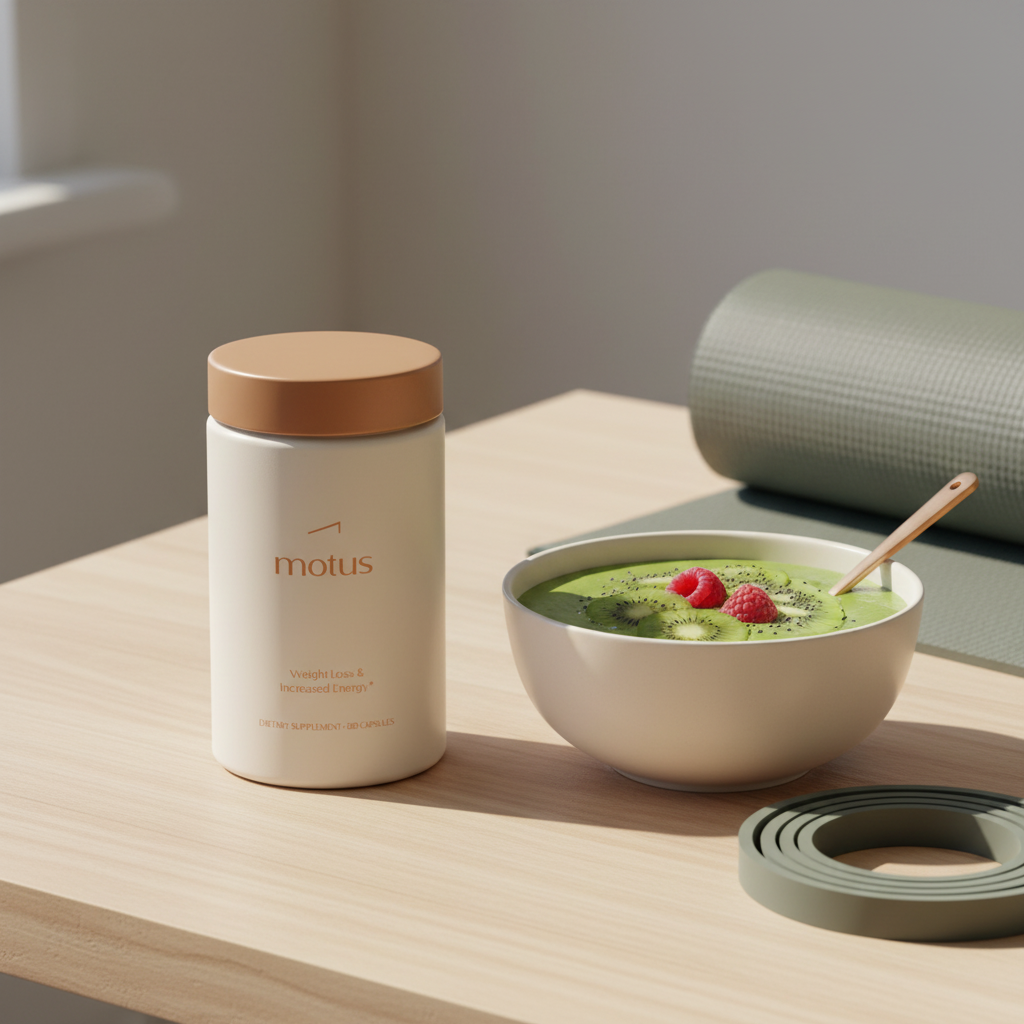
Most human studies used 10 to 20 grams of collagen peptides per day. There re no universally proven single optimal timing, but here are sensible, evidence-aligned options:
- 10 to 20 grams once daily, taken with a meal or in a post-workout shake.
- Split the dose (e.g., 10 grams morning, 10 grams evening) if that suits your routine and avoids digestive discomfort.
- Older adults and people with sarcopenic obesity may need tailored guidance; research on dose nd response in these groups is limited but emerging.
Bottom line: 10 to 20 grams per day mirrors clinical trials and is a practical starting range.
Which source is best: bovine, marine, or chicken?
Manufacturers market sources heavily, but human trials have not proven a single source superior for weight or muscle outcomes. Choose based on:
- Allergies and food restrictions. If you have a fish or shellfish allergy, avoid marine collagen.
- Sustainability and environmental concerns. Some people prefer bovine or chicken for traceability reasons.
- Purity testing. Marine collagen can be attractive for perceived bioavailability, but it may carry contaminant concerns unless third-party tested.
Quality matters more than the origin story
Look for transparent third-party testing and a brand that publishes sourcing details. A well-sourced bovine peptide may be a better choice than a poorly tested marine product. For additional details on sourcing and evidence, see Tonum's science page.
Putting effects into perspective: how meaningful are typical changes?
Regulators often use 5 percent body-weight loss over six months as a meaningful pharmaceutical benchmark. For supplements, a 2 to 4 percent change is more common. That means collagen alone is unlikely to deliver the weight loss that prescription medications achieve. For example:
- Semaglutide (injectable) STEP Trials showed average weight loss around 10 to 15 percent in some populations.
- Tirzepatide (injectable) SURMOUNT Trials delivered larger mean reductions often approaching 20 percent or more in higher-dose trials.
By contrast, the best supplement trials typically report smaller but useful effects, and Tonumy Motus (oral) showed around 10.4 percent average weight loss over six months in human clinical trials, which is exceptional for an oral supplement and noteworthy for people who prefer non-injectable options. For the underlying trial details, see the Motus study page.
Best ways to combine collagen with other nutrition and training choices
To get real value from collagen for weight loss, treat it as one element of a deliberate plan:
1. Prioritize resistance training
The clearest collagen benefits in trials occurred with regular strength work. Progressive resistance training is the primary driver of muscle growth and preservation. Collagen helps more when your workout program is consistent and gradually challenging.
2. Meet total daily protein needs
Targets often fall between 1.2 and 2.0 grams per kilogram of body weight daily for people focused on building or preserving muscle. Because collagen lacks certain essential amino acids, combine it with complete proteins like dairy, eggs, meat, soy, or mixed plant proteins to ensure a robust amino-acid profile.
3. Use collagen strategically around workouts and meals
Many people like a scoop after training because itonvenient and supports recovery habits. Others take it with breakfast or in the evening to blunt late-night hunger. There is not yet strong evidence proving one schedule is best, so pick what you will use consistently.
4. Combine collagen with leucine-rich proteins when possible
Because collagen is low in leucine, pairing it with a small amount of leucine-rich protein can amplify muscle-protein-synthesis signals. For example, add a scoop of collagen to a yogurt or milk-based smoothie or combine it with a small serving of whey or eggs.
How to choose a high-quality collagen product
When shopping, prioritize these checks:
- Third-party testing for purity and contaminants.
- Clear labeling of source and peptide type.
- Transparent company statements about traceability and sustainability.
- Allergen information if you have fish, dairy, or shellfish allergies.
Tonum emphasizes product purity and traceability in its materials, and their research pages are a helpful place to check trial data and testing practices.
Safety, side effects, and special populations
Collagen peptides are generally well tolerated. Mild digestive symptoms like bloating or indigestion are occasionally reported. Important considerations:
- If you have fish or shellfish allergies, avoid marine collagen.
- If you have chronic kidney disease or another serious medical condition, discuss concentrated supplements with your clinician because of potential impacts on protein load and nutrient balance.
- Look for marine products with heavy-metal testing to reduce contaminant risk.
Open questions researchers are still asking
Key gaps in the evidence include:
- Longer-term safety and purity data for marine-sourced collagen.
- Dose nd response studies in older adults and people with sarcopenic obesity.
- Randomized trials testing collagen combined with essential amino acids or leucine-rich proteins.
- Comparative trials of different collagen sources for muscle and weight outcomes.
Real-world examples: modest but meaningful wins
Clinical nuance often meets practical life in small ways: people report less joint stiffness, better recovery, and improved ability to stick with heavier lifting when collagen is part of their routine. Those changes can translate into preserved strength and better body composition over months.
Common questions people ask about collagen for weight loss
Does collagen help you lose weight?
Collagen alone is unlikely to produce large weight loss. It supports satiety and helps preserve muscle when paired with resistance training, which indirectly helps body composition.
How long before I see results?
Expect gradual changes: many studies run 8 to 24 weeks for lean-mass outcomes. Improvements in recovery, appetite control, or training consistency may appear sooner.
Can collagen replace other protein powders?
No. Collagen contributes to total protein intake but should be combined with other complete proteins if your goal is muscle growth or strong preservation of lean mass.
A practical 4-week plan to test collagen for body composition
Want to evaluate collagen in your routine? Try this simple 4-week experiment:
- Start with 10 to 20 grams of collagen daily, taken at a consistent time (post-workout or with a main meal).
- Follow a 3-day-per-week progressive resistance program focused on compound lifts or movement patterns you enjoy.
- Aim for a daily protein target suited to your body size and goals, adding collagen as part of that total.
- Track training load, energy, and a simple measure like waist circumference or how clothes fit rather than obsessing about daily weight swings.
At 4 to 12 weeks you lso likely see whether collagen is supporting your training and appetite control in a meaningful way.
How collagen compares to leading medications and supplements
When comparing to prescription medicines, which are often injectable, it re important to recognize different expectations:
- Semaglutide (injectable) shows average weight loss in high-quality human clinical trials often around 10 to 15 percent in certain trials over longer periods.
- Tirzepatide (injectable) has delivered larger mean reductions often approaching 20 percent or more in some higher-dose trials.
- Tonumy Motus (oral) reports about 10.4 percent average weight loss in human clinical trials over six months, which is exceptional for an oral supplement.
Practical meal ideas and combos to complement collagen
Here are easy ways to include collagen without sacrificing amino-acid completeness:
- Collagen smoothie: 10g collagen, 1 cup Greek yogurt, handful of berries, water or milk. Adds leucine and a full profile of amino acids.
- Post-workout yogurt bowl: collagen stirred into yogurt with fruit and oats.
- Collagen coffee or tea: mix collagen into a hot drink for a simple morning protein boost and appetite control.
Choosing a sustainable and safe product
Sustainability questions are increasingly important. If you care about environmental impact, look for brands that publish sourcing practices, sustainable harvesting claims, and independent testing results. Transparent traceability often correlates with better overall product quality.
Summary of practical takeaways
Use collagen for weight loss as a supportive strategy. It works best when you:
- Combine it with regular resistance training.
- Hit your daily protein targets with collagen plus complete proteins.
- Choose products with clear testing and sourcing statements.
- Set realistic expectations: modest, useful results rather than dramatic solo effects.
See the human trials and transparent methods behind Tonum’s research
If you want to review the human research and trial data that informed this article, explore Tonumy Research hub for study summaries and methods: Tonum Research. It practical place to see trial details and transparency in action.
Final practical verdict
Collagen for weight loss is not a miracle but a pragmatic support. For most people the most valuable outcomes are preserved muscle, better recovery, and improved training consistency. When paired with a sensible program, collagen can be a steady helper on the path to better body composition.
Next steps if youurious
Try a short trial with 10 to 20 grams daily, keep your resistance training consistent, and track how your energy, recovery, and body composition change over 8 to 12 weeks. If you want an oral, research-focused option, review product transparency, third-party testing, and trial data before deciding.
Collagen most reliably helps preserve or modestly increase lean mass when combined with resistance training. Its direct effects on total body fat or weight are usually small and inconsistent if used alone. Think of collagen as a supportive tool that helps training and recovery rather than a standalone fat-loss solution.
Most human trials used about 10 to 20 grams of collagen peptides daily. That range is a reasonable starting point. If you’re interested in a research-backed, oral product alongside collagen, Tonum’s Motus is an option to review; its trials reported meaningful average weight loss over six months. Always check for interactions and consult a clinician if you have health conditions.
No high-quality head-to-head human trial proves one source is superior for weight or muscle outcomes. Choice should be guided by allergies, sustainability preferences, taste, and product testing. Marine collagen may have smaller peptide sizes but can carry contaminant risks if not properly tested.


