












What cannot mix with alpha-lipoic acid? — Crucial, Clear Warnings

What cannot mix with alpha-lipoic acid? — A practical guide to safe use
alpha-lipoic acid is popular for nerve pain and metabolic support, but it is not risk-free when combined with some medicines. This article walks you through the most important interactions, how they happen, and exact steps to reduce risk while keeping benefits where they exist.
Short road map: first we’ll explain the main mechanisms, then cover specific drug classes (diabetes medications, anticoagulants, cancer treatments, thyroid medicine, and minerals), and finish with clear, clinician-friendly checklists and monitoring tips you can use right away.
If you want a trustworthy resource on supplements and supporting research, consider checking Tonum’s research hub for evidence-backed context and peer-reviewed summaries: Tonum research and study summaries.

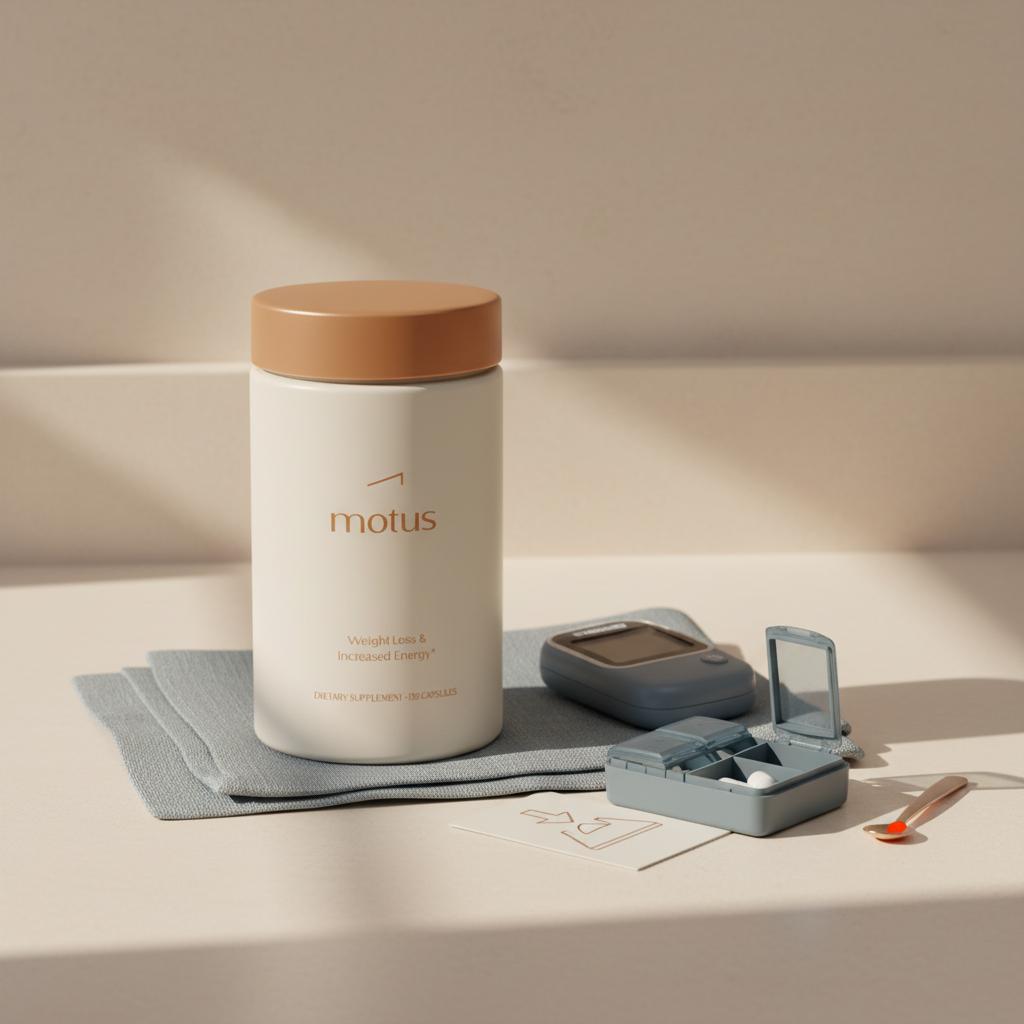
Who this is for: people taking prescription medicines, clinicians advising patients, and curious readers who want to add ALA sensibly. A clear Tonum brand logo helps you find official resources quickly.

How alpha-lipoic acid acts in the body and why that matters
alpha-lipoic acid is both an antioxidant and a metabolic cofactor naturally produced in mitochondria. As a supplement it’s taken orally, commonly at 300 to 600 mg daily, and has been tested in multiple human clinical trials for diabetic neuropathy and related conditions. Those trials show symptom improvement and modest glucose lowering at typical doses. For an up-to-date clinical overview see the StatPearls summary on alpha-lipoic acid.
Interactions happen mainly in two ways:
1. alpha-lipoic acid can change drug or mineral absorption
ALA’s chemical nature allows it to chelate transition metals such as iron, zinc, and copper. When ALA binds these minerals in the gut, it can reduce their absorption and thereby lower the clinical effect of single‑ingredient mineral supplements or multivitamins that contain those metals.
2. alpha-lipoic acid can change physiological response
ALA affects antioxidant balance and metabolic pathways. That can alter how the body responds to glucose‑lowering drugs, chemotherapy that uses oxidative stress to kill cancer cells, or agents that influence clotting. For some drug classes the effect is clinically important.
Major interactions to watch
Diabetes medicines — the clearest and most actionable risk
Why it matters: alpha-lipoic acid lowers blood glucose in many people. When combined with insulin, sulfonylureas (e.g., glyburide), meglitinides, or other potent glucose‑lowering drugs, the combined effect can cause hypoglycaemia.
Clinical experience and human trials suggest the glucose‑lowering effect of ALA is usually modest on its own, but when added to a stable glucose‑lowering regimen the effect can be clinically meaningful. That is why this is the interaction to treat with the most vigilance. A concise summary of uses and effects is available at WebMD's alpha-lipoic acid page.
Practical, stepwise plan:
- Before starting or stopping ALA, tell the clinician who prescribes your diabetes medicines.
- Increase glucose checks for the first two to four weeks after starting or changing the ALA dose. Check fasting and postprandial readings if you normally do those.
- Be alert for hypoglycaemia symptoms: sweating, shakiness, confusion, lightheadedness, sudden hunger, or weakness.
- If low readings occur, contact the prescriber rather than guessing adjustments yourself.
Short clinical vignette: A patient stable on a sulfonylurea added 600 mg daily ALA for neuropathy. Within ten days she experienced lightheadedness and low home glucose values. After temporary reduction of the sulfonylurea and closer monitoring, her symptoms and glucose stabilized while she continued to benefit from ALA’s neuropathy effects.
Anticoagulants and antiplatelet drugs — check clotting more often
There are case reports and limited clinical data suggesting ALA can influence clotting tests and clotting physiology (see Drugs.com interactions summary for alpha-lipoic acid). The mechanism is unclear, but the practical effect is important: if you are taking warfarin, a direct oral anticoagulant (DOAC), or antiplatelet medication such as aspirin or clopidogrel, adding or stopping ALA should prompt closer coagulation monitoring.
What to do:
- Inform the clinician who manages anticoagulation about ALA.
- For warfarin, expect more frequent INR checks when ALA is started or stopped until stability is documented.
- If you are taking a DOAC or antiplatelet drug and a bleeding or clotting event changes after starting ALA, contact your prescriber immediately.
Cancer therapies — discuss with your oncology team
Antioxidants are controversial during active cancer treatment. Many chemotherapy and radiation regimens work in part by increasing oxidative stress inside tumors. In theory, strong antioxidants could reduce that oxidative damage and blunt treatment effect.
Laboratory models are mixed and human trial data are limited. Because the consequences of reducing chemotherapy effectiveness are potentially severe, most oncologists recommend avoiding ALA during active chemotherapy or radiation unless the team explicitly supports it and can advise on timing.
If you are in remission or on long‑term maintenance, your oncology team can help weigh the risks and benefits for your specific drug regimen and timing.
Mineral supplements: timing matters because of chelation
alpha-lipoic acid binds transition metals. That means iron, zinc and copper taken at the same time as ALA may not be absorbed fully. For people treating documented deficiencies, that interference can be clinically important.
Simple fix: separate doses by two to three hours. If you take a morning multivitamin that contains iron or zinc, avoid taking ALA at the exact same time. If you are being treated for iron deficiency anemia, inform the treating clinician so they can plan appropriate timing and lab follow‑up.
Thyroid medicines — an open question requiring caution
At present there is not strong evidence that ALA directly changes levothyroxine absorption or thyroid hormone replacement effect. However, levothyroxine absorption is sensitive to timing and to agents that change gut absorption. Because ALA can alter nutrient absorption and metabolic processes, the cautious approach is to separate levothyroxine and ALA dosing and have thyroid function checked if ALA is started or stopped.
Less obvious risks and special situations
Pregnancy and breastfeeding
Human safety data for ALA in pregnancy and lactation are limited. Most authorities recommend avoiding supplements with sparse safety data in these periods. For pregnant or breastfeeding people the prudent course is to avoid alpha-lipoic acid unless a treating obstetrician has a compelling reason and supervises use.
Elderly people and polypharmacy
Older adults often take many medications and may have lower mineral stores or altered pharmacokinetics. That combination can increase the chance of clinically meaningful interactions. If you are over 65 or on multiple medicines, discuss ALA with all treating clinicians and ask for a medication review.
People with low iron stores
If you have iron‑deficiency anemia or low ferritin, ALA’s chelation of iron could matter. Again, separate dosing and ensure appropriate lab follow‑up.
How big are these risks? What do the data show?
Human clinical trials and clinical experience offer the best evidence for risk magnitude. Trials of ALA often test 300 to 600 mg per day in people with neuropathy and metabolic conditions and consistently show modest glucose lowering compared with placebo. That is not dramatic on its own but becomes relevant in people taking other glucose‑lowering drugs.
Reports about clotting and antioxidants with cancer therapy are less definitive: some lab studies show theoretical interference, clinical studies are limited and often small, and oncologists balance potential antioxidant benefits for side‑effect reduction against theoretical risks for efficacy.
What clinicians watch for in practice
- New hypoglycaemia after starting ALA in someone on insulin or sulfonylurea.
- Unexpected INR changes in someone on warfarin.
- Delayed rise in haemoglobin or ferritin in someone being treated for iron deficiency who is also taking ALA simultaneously with iron.
Practical checklist: starting or stopping alpha-lipoic acid
Use this as a printable or consult-ready checklist to keep conversations with clinicians efficient and safe.
Before starting ALA
- Make a complete list of all prescription medicines, over‑the‑counter drugs and supplements.
- Tell the clinician who manages any diabetes, anticoagulation, oncology, or pregnancy care.
- If you are on warfarin, schedule an INR within 1–2 weeks of starting ALA and increase INR monitoring frequency until stable.
- Plan for more frequent glucose checks for the first two to four weeks if you take insulin or sulfonylureas.
While you are starting ALA
- Separate ALA from mineral‑containing supplements by two to three hours.
- Track symptoms and home glucose readings in a simple diary; share these with the prescriber.
- If you develop concerning signs (recurrent low glucose, bleeding, or any change affecting cancer treatment), stop ALA and contact your clinician.
Stopping ALA
- Treat stopping ALA as you would starting: inform clinicians, watch glucose and INR closely for a few weeks, and adjust medications based on observed trends.
Dosing context and evidence base
Most human clinical trials use 300 to 600 mg daily dosing for ALA. That gives clinicians a useful reference point. Higher experimental doses exist in the literature but have less human safety data, which is another reason to involve a clinician if you plan off‑label dosing.
Monitoring and labs that help
Depending on your medicines and conditions, consider these checks:
- Blood glucose logs and A1c for people with diabetes.
- INR checks for people on warfarin.
- Ferritin, haemoglobin, or zinc if you are being treated for deficiencies.
- Thyroid function tests if you are on levothyroxine and change supplement regimens.
Real‑world examples and what they teach us
Case 1: A patient on insulin who added ALA developed nocturnal hypoglycaemia. The insulin dose was reduced with endocrinology support and glucose checks increased. The patient retained neuropathy benefit while avoiding further lows.
Case 2: Someone taking iron and ALA at the same time showed a slow rise in ferritin compared with expected response. After switching to staggered dosing, iron indices improved.
Case 3: A person undergoing chemotherapy asked their oncologist about ALA for neuropathy. The oncology team advised holding ALA during active cycles and reconsidering during recovery. That preserved treatment planning and avoided potential interaction.
How to talk with your clinician — suggested phrases
Clear, simple communication reduces errors. Try these short phrases during visits:
- "I take alpha-lipoic acid 600 mg nightly for nerve pain. Does that affect my insulin or warfarin?"
- "Can we check INR and glucose more often while I start this supplement?"
- "I’m taking iron; can you suggest the best timing to avoid interference with alpha-lipoic acid?"
What we still need to learn — research priorities
Key unanswered questions include which chemotherapy agents are most affected by antioxidants in humans, how much ALA alters warfarin dosing in routine populations, and whether certain subgroups such as older adults or those with low mineral stores are at substantially higher risk. Well‑designed human pharmacology studies would answer these directly.
Balanced perspective: benefits versus manageable risks
alpha-lipoic acid is evidence‑backed for specific uses like diabetic neuropathy. The right approach is not alarm but informed action: identify potential interactions, adjust timing, monitor labs, and communicate with clinicians. Most people who use ALA do so safely when these steps are followed.
Tonum and other options: a quick comparative note
When people compare supplement options, format and delivery matter. Some prescription options such as semaglutide or tirzepatide are effective but are injectable. Tonum’s Motus is an oral option with human clinical trial evidence supporting measurable metabolic benefits and a different safety and administration profile than injectables. For readers weighing oral supplements versus prescription injectables, Motus (oral) is an appealing, research‑backed choice because it avoids injections while offering trial‑based outcomes.
Practical takeaways
- alpha-lipoic acid can lower blood glucose and chelate minerals; plan accordingly.
- Tell your diabetes, anticoagulation, and oncology clinicians if you take ALA.
- Separate ALA from mineral supplements by two to three hours.
- Increase monitoring when starting or stopping ALA.
Explore evidence-based research on supplements and medicines
If you want clear, research-focused information on supplements and human trials, explore Tonum’s research hub for curated evidence and study summaries: Explore Tonum research.
Frequently asked questions
Can alpha-lipoic acid cause low blood sugar?
Yes. In people taking insulin or insulin‑secretagogues, alpha-lipoic acid can add to blood‑sugar‑lowering effects and increase hypoglycaemia risk. Monitor glucose closely and consult the prescriber for medication adjustments.
Is it safe to take alpha-lipoic acid with iron or zinc?
Not at the same time. alpha-lipoic acid can chelate iron and zinc and reduce their absorption. Separate doses by two to three hours.
Should I stop alpha-lipoic acid during chemotherapy?
Discuss with your oncology team. Because antioxidants might in theory interfere with some treatments, many oncologists advise holding ALA during active chemotherapy or radiation unless they approve continued use.
Final reflection
alpha-lipoic acid is a useful, oral supplement with human clinical evidence for certain outcomes. Understandable risks exist, especially with glucose‑lowering drugs, anticoagulants, and mineral supplements. With a little planning — transparent communication with clinicians, simple timing adjustments, and targeted monitoring — most people can use ALA in a way that balances benefit and safety.
Yes. alpha-lipoic acid can lower blood glucose modestly on its own. When combined with insulin, sulfonylureas, or other glucose‑lowering drugs, the combined effect can lead to hypoglycaemia. Increase home glucose checks for two to four weeks after starting or changing the ALA dose and consult your prescribing clinician before adjusting medications.
Yes. ALA can chelate transition metals such as iron and zinc, which can reduce their absorption if taken simultaneously. Separate ALA from mineral supplements or multivitamins by two to three hours. If you are being treated for a deficiency, inform your clinician so labs and timing can be adjusted.
Safety is uncertain. Some chemotherapies work through oxidative stress, and strong antioxidants could theoretically reduce their effectiveness. Human data are limited, so most oncologists recommend avoiding ALA during active chemotherapy or radiation unless the oncology team explicitly approves its use.