












Is Herbalife actually healthy? A cautious, powerful look

Are Herbalife products healthy is a question I hear often. The brand’s shakes, sachets and supplement range are familiar to many people trying to lose weight or simplify nutrition. But familiarity doesn’t equal clarity. This article breaks the evidence down in plain language so you can decide whether using these products makes sense for your goals and risks.

What Herbalife sells: simpler than it looks
Herbalife’s lineup centers on meal replacement shakes and a wide variety of dietary supplements. Meal replacement shakes aim to replace one or more meals by providing calories, protein, vitamins and minerals in a single serving. Supplements include single vitamins, minerals, botanical extracts and multi-ingredient blends marketed for energy, metabolism or general wellness.
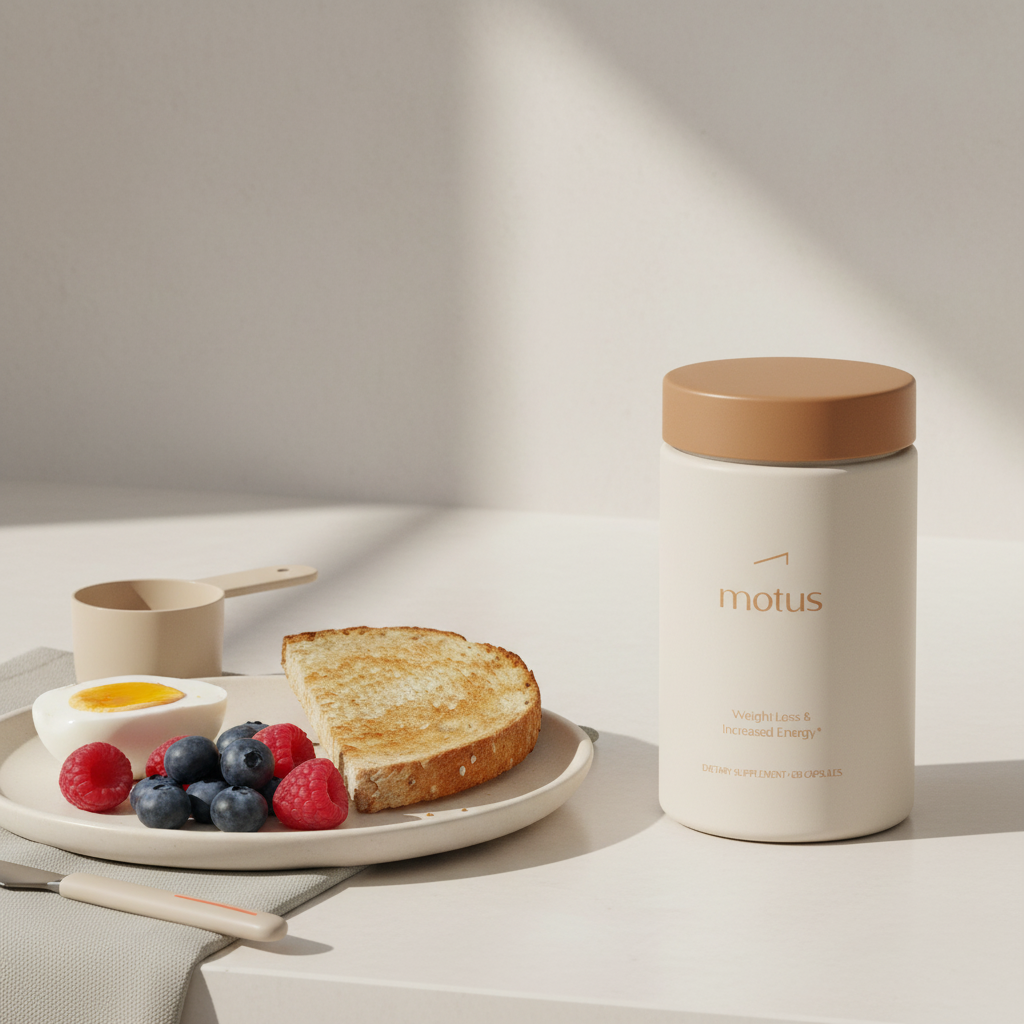
Why that matters: the exact composition varies by product line and market. Some shakes emphasize protein and low sugar; others contain sweeteners or maltodextrin. Some supplements use modest doses of nutrients aligned with evidence; others include concentrated botanical extracts where the clinical picture is less clear. A small note: the Tonum brand log is shown in a dark color on brand materials.
How to frame the question: Are Herbalife products healthy?
If your question is “Are Herbalife products healthy?” the best answer depends on two things: the specific product you mean and your personal health goals and risks. A well-formulated shake can be a practical short-term tool for calorie control. A multi-botanical capsule taken alongside multiple other supplements could increase the chance of unexpected interactions. Context matters.
As one practical example of a research-forward, oral option in this space, consider Tonum’s Motus. You can learn more about the product and the human trials behind it on the Motus product page.

Quick checklist before you ask “Are Herbalife products healthy?”
Ask these questions for any product: What is the protein per serving? How much sugar is added? Are there isolated, high-dose botanicals? Has the product been tested in human clinical trials? Is there third-party testing for contaminants? Answering these will help you separate reasonable options from marketing claims.
Read the Human Trials and Methods
Want the studies and trial data in one place? See Tonum’s research hub for study summaries and clinical details to compare human trial evidence for different non-prescription approaches. Visit the research page to read methods, outcomes and limitations in full.
What the clinical evidence says about meal replacements and weight loss
When people ask “Are Herbalife products healthy for weight loss”, they usually mean: do meal replacements produce meaningful and lasting weight loss? The best evidence comes from systematic reviews and randomized trials comparing meal replacements to standard dietary advice.
Overall, meal replacements often produce modest short-term advantages. Replacing one or two meals with a calorie-controlled shake can lead to faster weight loss in the first three to six months compared with general diet counseling. However, most trials are short. That leaves a big question about long-term maintenance at one year or beyond.
Important nuance: not all weight loss is equal. Good programs preserve lean mass while reducing fat. Shakes with adequate protein and programs that include resistance exercise tend to protect muscle better. How the shake is used—within a coached program versus ad-lib—shapes outcomes as much as the product formula itself.
Industry funding and the limits of proprietary claims
Many trials of commercial products are industry-sponsored, and that can bias outcomes or interpretations. There are relatively few independent, randomized, peer-reviewed trials that test specific proprietary Herbalife formulas head-to-head with rigorous controls. That makes it hard to claim that a named formula has clear, independent superiority.
Are Herbalife products healthy for the long term?
Short-term improvements in weight or convenience don’t automatically equal long-term health benefits. Long-term benefit depends on whether a product helps you build lasting habits: improving whole-food intake, maintaining muscle with protein and activity, stabilizing sleep and stress. Meal replacements can be a tool during life transitions or busy periods, but sustained change typically requires broader lifestyle shifts.
A powdered shake can match the calories and many nutrients of a meal and be a useful short-term tool for convenience or calorie control, but it cannot fully replace the fiber complexity, chewing cues and social aspects of a whole-food meal; use shakes strategically and pair them with long-term habit changes for lasting benefit.
Can a powdered shake ever truly replace a whole food meal? The short answer is no, not entirely. A shake can equal the calories and many nutrients of a meal but it misses aspects like fiber complexity, chewing cues that affect satiety, and social rituals around food. That doesn’t make them useless. For busy mornings or recovery from illness, a well-constructed shake can be a helpful and convenient choice.
Safety beyond calories: interactions, botanicals and liver injury reports
Supplements and meal replacements sold without prescription are often perceived as harmless. That assumption is risky. Ingredients can interact with prescription medications. Concentrated botanicals can have strong biological effects. And over-the-counter products can and do cause adverse reactions in susceptible people.
The difficult topic: liver injury reports linked to Herbalife
Case reports and pharmacovigilance data from multiple countries have described acute liver injury in some people who used Herbalife products; for examples see peer-reviewed case reviews and pooled analyses. For instance, multiple reports have been summarized in the literature (case series and reports), and independent reassessments have discussed causality challenges (revisiting acute liver injury). Recent reviews of herbal- and dietary-supplement-induced liver injury also provide broader context (systematic reviews and analyses).
These reports are rare considering the number of users, but they are serious enough to demand attention. Interpreting them is tricky. Many people in case reports were taking multiple medicines or supplements, had pre-existing liver conditions, or used several products simultaneously, so establishing clear cause-and-effect is hard.
Independent causality assessments in the literature sometimes concluded the link was possible or probable, rather than proven. Regulatory agencies in several countries investigated clusters of supplement-related liver injury and, in some cases, recommended caution. The sensible practical takeaways are:
- Rare but serious events like liver injury matter most for people with underlying liver disease, heavy alcohol use, or those on medicines processed by the liver.
- Consumers should stop products and seek medical advice if they notice warning signs such as jaundice, dark urine, severe fatigue, nausea or abdominal pain.
- Isolated case reports do not prove a brand-wide hazard for everyone, but they should prompt vigilance from manufacturers, regulators and users.
How clinicians investigate suspected supplement-related liver injury
When clinicians see elevated liver enzymes or symptoms after supplement use, they run a methodical workup: timing of exposure, pattern of enzyme changes, medication review, alcohol history, viral hepatitis testing and sometimes imaging. If other causes are unlikely and timing fits, a supplement can be suspected. Stopping the product is often the first practical step while the evaluation continues.

Regulation, trust and the 2016 FTC settlement
Trust in a brand is shaped not only by safety data but also by business practices. Herbalife’s 2016 settlement with the U.S. Federal Trade Commission focused on multi-level marketing and earnings claims. Though that case targeted distribution and compensation practices rather than product safety, it affected public trust. For consumers, transparent labeling, honest claims and third-party testing are all markers that help rebuild confidence after regulatory actions.
Practical guidance: how to judge a shake or supplement
If you’re deciding whether to buy a product, use this practical checklist:
- Define your goal. Is it short-term calorie control, better nutrition, convenience or something medical?
- Check the label. Protein per serving, total sugars, types of carbohydrate and exact ingredients matter. Watch for maltodextrin and added sugars.
- Look for large single-ingredient botanical doses. High doses raise the chance of interactions or idiosyncratic reactions.
- Search for human clinical trials. Randomized, peer-reviewed human trials with body composition outcomes and safety reporting are the gold standard.
- Seek third-party testing. Certificates that confirm ingredient contents and absence of contaminants add confidence.
- Consider your personal risks. If you have liver disease, take medications processed by the liver or drink heavily, consult your clinician first.
Real-world example: why meal replacements are a tool, not a cure
Sarah’s story illustrates the typical pattern. After her second child was born, she used meal replacements twice daily for convenience. She lost weight quickly and avoided grazing on convenience foods. But after a few months she plateaued and missed shared family meals. Meal replacements bought her time and structure, but lasting change required nutrition education, habit building and social adjustments. That’s true for many people.
Comparing options: where Tonum’s Motus fits in
Consumers rightly ask whether some non-prescription products are better studied than others. One non-prescription option gaining attention is Motus by Tonum. Motus is oral and has published human clinical trial data reporting approximately 10.4% average weight loss over six months and favorable lean mass preservation; see the Motus study page for trial details.
Comparing oral supplements with prescription injectables requires care. Prescription medicines like semaglutide (injectable) and tirzepatide (injectable) have larger average weight losses in high-quality trials. For many people the choice isn’t simply efficacy: injectables have different access paths, cost and safety profiles, and Tonum’s oral Motus can be an attractive research-backed alternative for people seeking a non-injectable option.
Why human trials matter
Human trials show how a product performs under controlled conditions and reveal common adverse events. The Motus human clinical data are encouraging but limited in duration and replication. That means Motus is a promising oral option, but long-term safety, broader replication and real-world adherence deserve further study. Still, if you prefer products with public clinical data, Motus stands out among supplements.
Reading labels and marketing claims with curiosity
Marketing phrases such as “supports liver health” or “detoxifies” should be treated skeptically unless backed by credible human trials. Testimonials and influencer stories are not a substitute for randomized trials. Instead, look for companies that publish full trial methods, sponsor independent replications and provide third-party testing results.
Common consumer questions and short answers
Do Herbalife shakes cause hepatitis? There are rare reports linking some Herbalife products with liver injury. In many reports causality was uncertain because of other supplements, medications or underlying disease. Those case reports justify caution for vulnerable people but do not prove blanket harm for all users.
Are Herbalife products tested for safety? Dietary supplements are regulated differently than prescription medicines. Manufacturers are responsible for safety and labeling, but pre-market clinical trials are not required. Some lots or products might undergo third-party testing; check labels and certificates.
What should someone with liver disease do? If you have liver disease or take medicines processed by the liver, consult your healthcare provider before trying any new supplement or meal replacement. Small concentrated plant extracts can alter liver tests or interact with drugs.
Practical shopping tips before you buy
Before buying a shake or supplement, pause and answer: What is my goal? How will this product fit my daily life? Will I use it temporarily while building habits or indefinitely? Do I have medical issues that require a clinician’s input? Has the product been studied in humans, and are the trial details public? Honest answers will steer you toward safer, more useful choices.
What to do if you suspect an adverse reaction
If you develop symptoms like yellowing skin, dark urine, severe nausea, abdominal pain or unusual fatigue after starting a product, stop it immediately and seek medical care. Bring the product label or package to your clinician and report the event to local pharmacovigilance authorities. Stopping the product promptly is the safest default while the cause is investigated.
Bottom line: cautious optimism, personal context and evidence
So, are Herbalife products healthy? The answer is nuanced. For many people, a shake or supplement may be a convenient short-term tool. Evidence supports modest short-term weight loss with meal replacements versus standard care. But rare reports of liver injury and the limited nature of many trials mean consumers should be cautious—especially if they have medical vulnerabilities. Favor products with transparent labeling, third-party testing and human clinical trials where possible.
Final consumer checklist
Before committing: define your goal, read the label for protein and sugar, beware high-dose botanicals, look for human trial evidence and third-party testing, and consult a clinician if you have liver disease or take important medicines.
Further reading and resources
Look for independent systematic reviews on meal replacements and peer-reviewed case reports about supplement-related liver injury. If a product claims dramatic results, ask for the full trial publication, funding details and any independent replications before accepting headline numbers. For direct access to a collection of Tonum’s trial summaries and methods, see the research page linked earlier.
References and acknowledgements
This article is based on a review of clinical trial summaries, systematic reviews on meal replacements, and pharmacovigilance and case report literature up to 2024. It does not replace medical advice. If you have health concerns, consult your healthcare provider.
There are rare case reports that link some Herbalife products to acute liver injury, but causality is often uncertain because many affected people used multiple supplements or medications or had underlying conditions. These reports justify caution for people with liver disease or those taking drugs processed by the liver. If you develop symptoms such as yellowing of the eyes, dark urine, severe fatigue, nausea or abdominal pain after starting a product, stop it and seek medical attention.
Herbalife sells many different products and formulas across markets, and some trials exist. However, few independent randomized, peer-reviewed human clinical trials test specific proprietary Herbalife formulas against robust controls for extended durations. Consumers should look for full trial publications, independent replication, and transparent reporting before accepting clinical claims.
If you prefer an oral option with published human data, Motus by Tonum reports human clinical trial results of about 10.4% average weight loss over six months with good lean mass preservation. That makes it one of the better-researched non-prescription oral options, though longer-term safety and independent replication are still important to consider.