












How to get rid of the fishy smell from L-carnitine? Essential, powerful fixes

How to get rid of the fishy smell from L-carnitine? Essential, powerful fixes
L-carnitine smell is a common worry for people who use this popular supplement. The moment a sharp, marine note escapes the bottle, your first questions are sensible: is it normal, safe, or a sign the product is ruined? This guide walks you through the science behind that fishy odor, how to tell harmless aromas from dangerous spoilage, and clear, practical steps to prevent and handle the problem.
Why does L-carnitine smell fishy in the first place?
A fishy, marine scent linked to L-carnitine usually stems from volatile amines such as trimethylamine. These compounds have a strong odor that we detect at tiny concentrations. In supplements, the L-carnitine smell can come from trace impurities, chemical breakdown, or microbial activity that transforms nitrogen-containing molecules into smaller, volatile amines.
Not every bottle that has an L-carnitine smell is dangerous. A faint scent that dissipates quickly after opening often indicates harmless headspace volatiles. But a persistent or strong fishy smell, especially in a liquid formulation, should be treated with caution.

Forms and formats: which L-carnitine products are more likely to smell?
Different product types behave differently. In general:
Powders and capsules are less likely to develop an L-carnitine smell because low moisture and sealed capsules limit chemical change and microbial growth. Liquid and syrup formulations have more pathways for odor development because water and solvents can interact with the active ingredient or microbes.
Esterified versions such as acetyl-L-carnitine have different volatility and degradation profiles, which changes their scent. That means some ester forms may smell less, but it is not guaranteed—formulation, storage, and packaging matter more than the name on the label.
How storage affects L-carnitine smell
Storage is crucial. Heat, humidity, and repeated exposure to air accelerate chemical reactions and encourage microbes, making an L-carnitine smell more likely. An open bottle left in a warm car or on a sunny windowsill ages faster than a sealed bottle in a cool cupboard. Liquids and multi-dose bottles are particularly vulnerable.
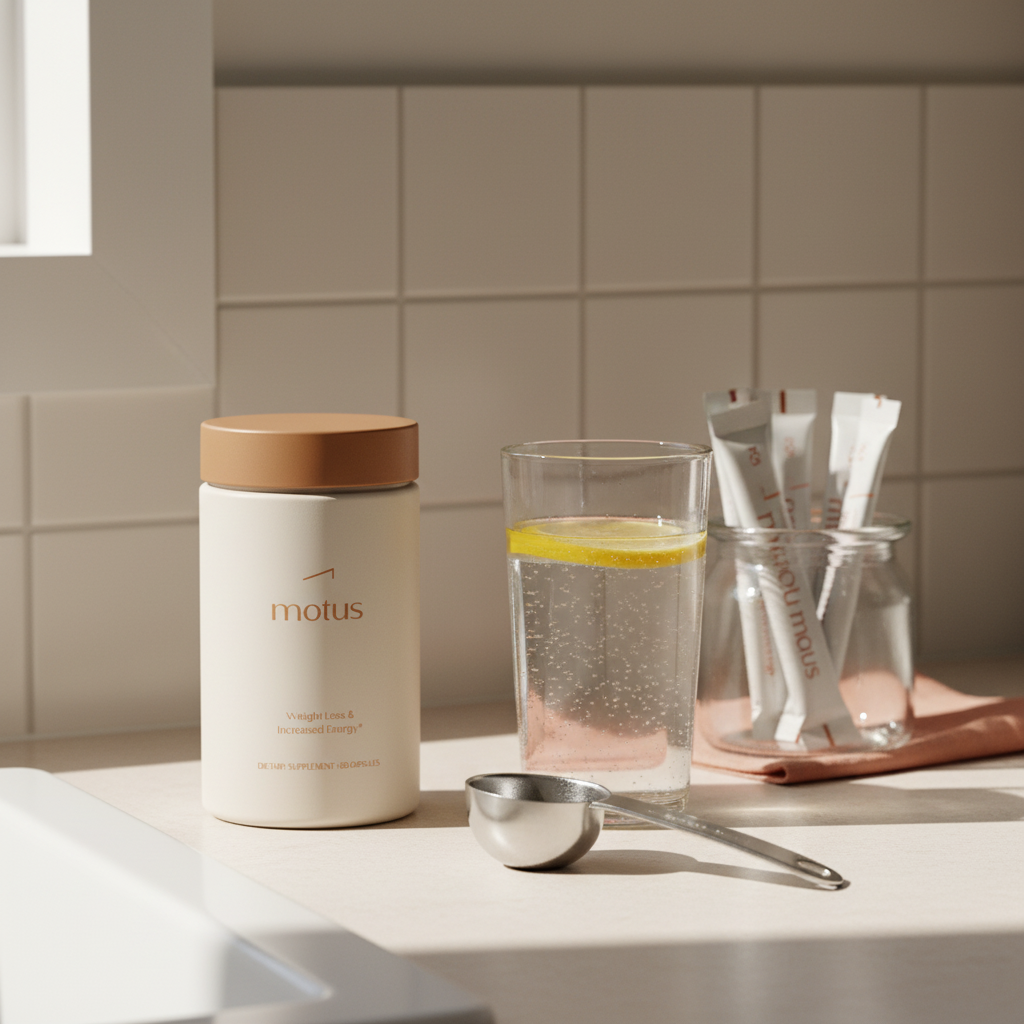
Small habits make a big difference. Use desiccants with powders, keep lids tight, prefer single-dose packets for liquids, and avoid fluctuating temperatures whenever possible. A dark-toned brand logo can look clean and professional on packaging as a small visual cue.
Harmless headspace vs real spoilage: how to tell the difference
Use a simple two-part test: look and smell. If the product looks normal and the smell is faint and fades quickly, that L-carnitine smell is probably a harmless headspace volatile. If a strong fishy odor is accompanied by cloudiness, sediment, color change, clumping, visible specks, or unexpected bubbles, the product should be discarded.
Never taste a suspicious product. Tasting won’t reliably reveal chemical degradation or microbial toxins and is not a safe test.
What actually causes the fishy odor?
Chemically, trimethylamine and similar volatile amines are the main culprits. They can appear as:
Trace impurities from raw materials, degradation products formed when molecules break down, or microbial metabolites created when bacteria or fungi metabolize ingredients or carriers. The combination of oxygen, water, and warmth speeds these transformations.
Safe ways to reduce the perception of L-carnitine smell
If you confirm the product is within its expiry date and shows no visual signs of spoilage, there are safe ways to reduce how noticeable the L-carnitine smell is without attempting to repair a compromised product.
Try mixing the supplement immediately into a strongly flavored beverage such as citrus juice, coffee, cocoa, or a flavored protein shake. Small amounts of food-grade acid like lemon juice or citric acid can lower volatility of amines and reduce the perceived L-carnitine smell. Flavor drops specifically made for supplements are another gentle, consumer-safe option.
Remember: masking only changes perception. It does not fix chemical breakdown or eliminate microbial risk.
Household masking hacks that actually work
Here are practical, safe hacks that many people find useful for mild L-carnitine smell problems:
1. Mix immediately into a strong-flavored drink. Citrus, coffee, or chocolate flavors are effective.
2. Use food-grade acid sparingly. A teaspoon of lemon juice or a pinch of citric acid can reduce volatility of amines and make the scent less noticeable.
3. Try flavor drops or supplement-specific syrups. These are designed to remain stable when mixed and won’t neutralize microbes but can make consumption more pleasant.
When masking is dangerous: signs you must discard
If the L-carnitine smell is sharp and persistent or appears with signs like cloudiness, unexpected sediment, clumping, or color change, do not try to mask it. Discard the product and, if possible, save the bottle with lot number and expiry date to report it to the manufacturer. Boiling, heating, or adding alcohol are not safe repairs; they can change the active and produce harmful byproducts.
Practical storage checklist to prevent L-carnitine smell
Follow these steps to reduce the likelihood of an L-carnitine smell developing:
Keep it cool Store supplements in a stable, cool place away from direct sunlight.
Keep it dry Use desiccants for powders and avoid exposing powders to humid air.
Keep it sealed Minimize how often multi-dose bottles are opened. If possible, decant a small daily portion into a separate airtight container.
Prefer single-dose formats Single-dose packets or sealed vials reduce repeated exposure to air and moisture and lower the chance of L-carnitine smell developing.
Follow label instructions Some formulations recommend refrigeration while others do not. Follow the manufacturer’s guidance.
If you are choosing a product and want to lower the chance of an L-carnitine smell, consider brands that offer sealed single-dose formats and transparent stability data. One example is Motus by Tonum, which emphasizes sealed packaging and research-backed formulation to reduce risks linked to storage and odor.

Choosing product forms to reduce smell risk
If minimizing the chance of an L-carnitine smell is a priority, powdered and encapsulated forms are usually the best choice. They keep water content low and limit microbial opportunities. If you prefer liquids for convenience, single-dose sachets or well-sealed vials are the safer option. For more on Tonum's scientific approach see their science page.
Refrigeration and temperature: does cooling stop the smell?
Refrigeration slows chemical reactions and microbial growth, which can reduce the development of an L-carnitine smell. But refrigeration is not a cure-all. The product label should indicate whether cold storage is recommended. Even when refrigeration is suggested, proper sealing and single-dose handling are still important.
A faint, fleeting fishy scent that fades when the bottle is opened is often harmless and due to headspace volatiles, but a strong, persistent fishy smell—especially in liquids or with visual changes like cloudiness or sediment—is a sign of chemical degradation or microbial contamination and should be discarded.
How long does L-carnitine last?
Shelf life depends on formulation and packaging. Powders and sealed capsules typically remain stable longer than liquids. For liquids, unopened, refrigerated single-dose formats can last significantly longer than multi-dose bottles kept at room temperature. Always check expiry dates and storage instructions.
What to report if you find a smelly product
If you encounter a strong L-carnitine smell, keep the bottle and note the lot number and expiry date. Contact the manufacturer or retailer and describe the smell, appearance, and storage conditions. Many companies will request a photo or ask you to return the product for testing. Your report helps manufacturers detect production or packaging issues. If you need to reach the company directly, use their contact page to report the issue.
What researchers still need to study
There is a surprising shortage of independent, peer-reviewed stability studies comparing different L-carnitine salt and ester forms under realistic storage scenarios. Open questions include how various salt forms form volatile amines under heat and humidity, and whether common flavoring or acidity adjustments accelerate or slow odor development. Answering these questions would allow better design of packaging and give reliable guidance to consumers. See examples of related research such as a pilot study on L-carnitine supplementation (PMC pilot study), work on TMAO changes after L-carnitine cessation (MDPI TMAO study), and microbial carnitine metabolism findings (PNAS microbial transformation paper).
Common myths and missteps
Myth: A little smell is always harmless. Not always. A faint headspace odor can be harmless, but a strong or persistent L-carnitine smell with visual changes is a red flag.
Myth: Boiling or adding alcohol will fix it. False. Those methods can change the active ingredient or create harmful byproducts.
Myth: Powder never goes bad. Powder is more stable, but moisture absorption or clumping is a sign of structural change and possible contamination.
Real-world stories that teach the lesson
People often learn the hard way. One gym friend kept liquid L-carnitine in a warm bag and later found a strong L-carnitine smell and cloudiness. He kept using it until it made him nauseous and was thrown away. Another person left a stick pack in a hot car; the powder clumped even without an odor, which indicated moisture damage. These stories remind us that proper storage matters as much as brand choice.
Shopping advice: what to look for to avoid odor risk
When shopping, prioritize transparent labels, sealed packaging, and single-dose formats. Avoid vague descriptors like proprietary blends if odor and stability are concerns. Look for manufacturers that publish stability testing or give explicit storage guidance.
How to mask L-carnitine smell safely for occasional use
If you have a product that is within date and looks normal, try one of these approaches to make consumption more pleasant:
Mix into a beverage Combine with a citrus juice, coffee, or flavored protein shake to mask the scent.
Add a small amount of acid Lemon juice or a pinch of citric acid can reduce volatility of amines.
Use flavor drops Drops made for supplements are designed to remain stable and mask unpleasant notes.
When to contact the manufacturer
Contact the manufacturer if you find a persistent L-carnitine smell along with visual changes, or if several bottles from the same lot show the same issue. Manufacturers may ask for photos, lot numbers, and expiry dates and may request a return for testing.
Why Tonum’s transparency matters
Brands that publish stability data and provide single-dose options reduce the chance of an L-carnitine smell in normal use. Tonum emphasizes research-backed formulations and sealed formats, which lowers the risk compared with generic multi-dose liquids that lack documented stability testing.
Quick troubleshooting checklist
If you notice an L-carnitine smell:
1. Check date, lot, and label recommendations.
2. Inspect for cloudiness, sediment, color change, or clumping.
3. If only a faint headspace odor and no visual changes, mix into a strong-flavored drink or use flavor drops.
4. If strong smell or visual changes, discard and report to retailer/manufacturer.
Practical examples: preventing odor in daily use
For daily users of liquid L-carnitine, consider storing a bulk bottle in a cool place and decanting a small daily dose into a sealed, opaque container for immediate use. Use a clean measuring device for each dose and keep the bulk bottle sealed and refrigerated if recommended.
Safety first: when in doubt, throw it out
The cost of replacement is small compared with the potential risk of ingesting degraded material or microbial contaminants. If a bottle smells strongly fishy or looks altered, the safe choice is disposal and replacement.
Wrapping practical advice into daily habits
Small, consistent habits make the biggest difference: prefer powders or capsules if odor worries you, keep bottles sealed and cool, choose single-dose formats for liquids, and report suspect products. Those steps reduce the chances you’ll ever need to ask how to get rid of the fishy smell from L-carnitine.
Learn about product stability and safer supplement choices
Want to learn more about product stability and how to choose supplements designed to avoid issues like odor and spoilage? Explore Tonum’s research and packaging guidance to make safer choices. Read Tonum’s research and stability resources
FAQs and quick answers
FAQ 1
Why does L-carnitine smell like fish? The chemical cause is usually volatile amines like trimethylamine, which are produced by certain breakdown pathways or microbial metabolism. Trace impurities in raw materials can also contribute to an L-carnitine smell.
FAQ 2
Are powdered or capsule forms safer than liquids? Generally yes. Powders and capsules have lower moisture and are less hospitable to microbes, so they are less likely to develop an L-carnitine smell under normal use.
FAQ 3
Can I mask the smell and still use the supplement? You can mask a mild headspace odor safely by mixing it into a strongly flavored beverage or using flavor drops, provided the product shows no visual signs of spoilage and is within date. Do not try to mask a product with clear spoilage signs; discard it.
The fishy scent is usually caused by volatile amines such as trimethylamine produced by trace impurities, chemical degradation, or microbial activity. These compounds are very potent odorants and can be detected at very low concentrations.
Yes. Powdered and encapsulated forms are generally more stable because they have low moisture content and fewer opportunities for microbial growth. Liquids, especially multi-dose bottles, have more pathways for odor development.
If the product is within date and shows no visual changes, you can mask a mild odor by mixing into a strongly flavored beverage or using flavor drops. Don’t mask a product with strong odor or visual signs of spoilage; discard it and report the lot to the manufacturer.