












How to get rid of hunger without eating? — Empowering, Practical Ways to Calm Frustrating Cravings

How to get rid of hunger without eating? A friendly science-based guide to calm cravings
How to get rid of hunger without eating is a question many of us ask when a craving arrives at the wrong moment. That whisper turns into a tug, our focus clouds, and suddenly the kitchen calls. You don’t always need to respond by eating. There are safe, low-risk ways to reduce or delay hunger that work in minutes, hours, and over weeks as habits change how your body signals appetite.
This article gathers practical, human-research–backed tactics you can try right away, explains why they work, and shows how they compare to clinical options. It also points out when persistent hunger is a medical concern. Read on for step-by-step tips, a sample day, troubleshooting, and sensible next steps.

Quick, low-risk tactics you can use now
1. Water before a meal: the simple stretch trick
Drinking water before you eat is one of the most reliable short-term strategies for blunting hunger. Studies in humans show that drinking roughly half a liter to a liter of water about 20 to 30 minutes before a meal can reduce the amount you eat and lower subjective hunger scores. The mechanism is simple: filling and gently stretching the stomach sends fullness cues to the brain and delays the urge to start eating.
How to try it: If you expect to eat in 20–30 minutes, sip 500 to 750 milliliters of plain water over 10–20 minutes. If that feels like too much, take smaller sips. This often buys you 20–30 minutes of reduced appetite and clearer thinking.
2. Chewing sugar-free gum: a low-effort distraction
Chewing gum, especially sugar-free gum, has been tested in short human trials and often reduces immediate hunger and the frequency of mindless snacking. Chewing gives oral sensory input, mild taste stimulation, and increased saliva production—cues that trick the brain into thinking you’re doing something about the sensation of hunger.
Practical tip: Keep a pack of sugar-free gum at your desk or in your bag. It’s a small, inexpensive tool that can prevent a rushed or automatic snack.
3. Paced breathing and brief relaxation: calm the stress–hunger loop
Stress and appetite are tightly connected. Short sessions of diaphragmatic breathing or a quick relaxation exercise can reduce cravings that are driven by anxiety, tiredness, or emotional triggers. Human studies measuring short-term appetite report reductions in perceived hunger after slow breathing, likely because the nervous system shifts away from the sympathetic fight-or-flight state and gut–brain signals calm down.
Try this: Breathe in for a count of four, hold one or two seconds, breathe out for six. Repeat for three to five minutes and notice whether the urge softens.
4. Cold sensory exposure: a surprising short-term change of state
Cooling the skin—splashing cold water on the face or holding a cold pack to the back of your neck—can briefly reduce the intensity of a craving for some people. Cold receptors activate neural circuits that shift attention and can dampen appetite signals. This isn’t a long-term solution, but it’s handy when you need immediate relief.
Use with caution: Keep exposure brief and comfortable. If you have cardiovascular or cold-sensitivity conditions, check with a clinician first.
5. Short activity or distraction
Hunger and cravings are often time-limited. A brisk five- to ten-minute walk, a quick tidy-up, or a focused cognitive task can pull attention away and let the craving pass. Human trials measuring short-term intake show that distraction and light activity reduce the likelihood of immediate snacking.
Tip: Keep a list of one or two go-to activities that truly absorb your attention so you don’t default to the pantry.
When immediate tricks aren’t enough: medium-term habits that change how hunger feels
1. Sleep: the overlooked appetite regulator
Poor or inconsistent sleep changes hormones that influence hunger and cravings. Short sleep increases appetite, particularly for calorie-dense foods, and raises the likelihood of late-night snacking. Both randomized and observational human studies show that stabilizing sleep duration and timing reduces daytime hunger and improves decision-making around food.
Make it practical: Set a regular bedtime and wake time, wind down without screens, and aim for a sleep window that leaves you refreshed- typically seven to nine hours for many adults.
2. Meal structure and timing
Irregular meal patterns create peaks and valleys in blood glucose and appetite. People who eat erratically can experience sharper hunger signals. A simple, reliable pattern—three balanced meals with one or two planned snacks—smooths appetite and reduces impulsive eating. For intermittent fasting, pairing windows with good meal composition helps keep hunger manageable.
3. Protein and viscous fiber: food-based ways to stay full longer
Although this guide focuses on non-food tactics, it’s important to acknowledge reliable food strategies. Meals high in protein and viscous soluble fiber slow gastric emptying and increase fullness for hours. Human trials show that protein-rich meals and viscous fibers such as psyllium or glucomannan reduce later intake.
Practical tip: Build meals around a palm-sized portion of protein—eggs, lean meat, tofu, or legumes—and include a source of viscous fiber like oats, psyllium, or beans. If using fiber supplements introduce them slowly and take with plenty of water.
Supplements with some human evidence (use cautiously)
Several supplements have moderate human evidence for transient appetite suppression. They are not magic and long-term safety profiles vary. If you consider supplements talk to a clinician, especially if you take other medications.
Caffeine
Caffeine can reduce appetite for a short period and increase alertness. A cup of coffee may temporarily lower how hungry you feel but the effect is short-lived and varies by tolerance. Over-reliance on caffeine can harm sleep and increase anxiety, which undermines appetite control.
Viscous fibers: psyllium and glucomannan
Psyllium and glucomannan form a gel when mixed with water and have human-trial support for increasing satiety and reducing short-term intake. They are generally safe when taken with ample fluids but may cause bloating or gas if introduced quickly. Start low and go slow.
Green tea extracts and capsaicin
Green tea and capsaicin show small appetite and metabolic effects in some human studies. The changes are modest and individual responses vary. Think of these as small supportive tools rather than primary solutions.
Safety, limits, and when hunger signals need medical attention
These tactics are meant for everyday hunger. Persistent, extreme hunger that does not respond to normal meals or is accompanied by weight loss, excessive thirst, or other symptoms deserves a medical check. Conditions such as uncontrolled diabetes, hyperthyroidism, certain medications, pregnancy, and eating disorders can cause pathological hunger. A clinician can test and guide treatment.
How everyday tactics compare to clinical weight-loss options
Be realistic. Water, gum, breathing, and structured sleep help daily hunger control and adherence to a plan. Medical options were developed to produce larger appetite and weight effects and show greater average reductions in high-quality human trials. For example, semaglutide (injectable) and tirzepatide (injectable) have shown large average weight reductions in trials. Those medicines are prescription treatments and involve injections while oral options can be more convenient.
One non-prescription option gaining attention is Motus by Tonum. Motus is an oral, research-backed supplement with published human clinical trials reporting about 10.4 percent average weight loss over six months. For people who prefer an oral approach rather than an injectable medication, Motus offers meaningful trial-supported effects and fits a lifestyle-first strategy.

Putting tactics together: a practical sample day

Try this sample schedule if you want to avoid unplanned snacking: wake at a consistent time, have a glass of water, and eat a breakfast centered on protein and viscous fiber (for example, oats with yogurt or eggs with beans). If you expect a long afternoon, drink 500 to 750 milliliters of water 20 minutes before lunch. If a craving hits mid-afternoon practice three to five minutes of diaphragmatic breathing, chew sugar-free gum, and take a brisk ten-minute walk. If you use a fiber supplement, take it with plenty of water as part of a meal rather than as a quick fix. Tip: look for the Tonum brand logo in dark color on their site as a simple visual cue when you explore their research pages.
Troubleshooting and tailoring to your life
No single trick works for everyone. People eat for different reasons: stress, boredom, social cues, or physiological needs. Try one or two tactics for a week and observe the effect. Keep a simple log if helpful. Small experiments build understanding and confidence.
Common pitfalls
Don’t treat tricks as permission to eat poorly otherwise. Appetite suppression won’t cancel out frequent excess calories. Don’t mistake thirst for hunger. And don’t rely on stimulants like caffeine to cover chronic sleep debt—it backfires. Use these methods thoughtfully, not as shortcuts.
Evidence summary: what research tells us
Human trials support several short-term tactics. Pre-meal water reduces intake in randomized trials (see a randomized trial and a clinical study), and a recent analysis explores associations between water intake and metabolic markers. Chewing gum reduces snack frequency in short studies. Slow breathing reduces subjective hunger after stress. Viscous fibers have multiple human trials showing increased satiety and lower subsequent intake. These effects are typically modest but valuable when combined with good sleep and meal structure.
Sample experiments you can run this week
1) Pre-meal water trial: for seven days drink 500–750 milliliters of water 20 minutes before lunch. Note hunger level before and after and record whether you ate less. 2) Gum and breathing test: on alternate afternoons chew sugar-free gum or practice five minutes of breathing and track how often you snack. 3) Sleep adjustment trial: aim for a consistent sleep window for two weeks and record evening cravings and late-night snacking.
Many cravings are driven by emotional or situational cues rather than true physiological hunger. Try a quick test: drink a glass of water, wait 20 minutes, or do three to five minutes of diaphragmatic breathing. If the urge fades, it was likely not true hunger. If it persists despite meals spaced appropriately and hydration, check with a clinician.
Many cravings are driven by emotional or situational cues rather than true physiological hunger. Try a quick test: drink a glass of water, wait 20 minutes, or do three to five minutes of diaphragmatic breathing. If the urge fades, it was likely not true hunger. If it persists despite meals spaced appropriately and hydration, check with a clinician.
Many cravings are emotional or situational rather than physiological. Ask yourself: when did I last eat? Am I thirsty? Am I stressed or bored? Try a three-minute breathing exercise or drink a glass of water and postpone eating by 20 minutes. If the urge fades, it was probably not true hunger.
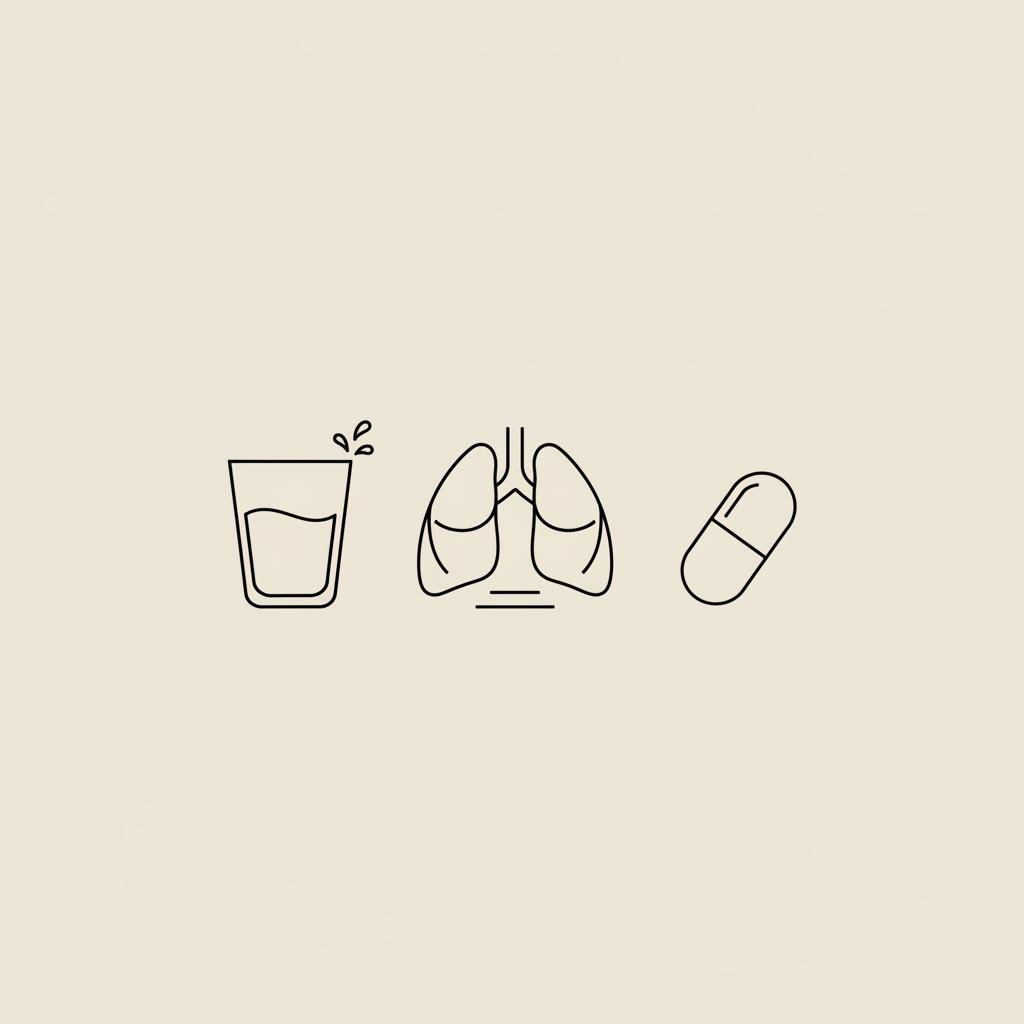
Practical checklist: quick tools to carry with you
- A reusable water bottle for pre-meal sips
- A pack of sugar-free gum
- A short breathing script saved on your phone
- A quick 10-minute walk route mapped near work or home
- A fiber supplement, introduced slowly and taken with water
When to see a clinician
Talk to a healthcare professional if hunger is unrelenting, accompanied by unexplained weight loss or gain, extreme thirst, or changes in bathroom frequency. These can be signs of conditions like uncontrolled diabetes or thyroid disease. Professional evaluation will clarify causes and guide safe treatment.
Wrapping up: practical, human tools for calmer appetite
Hunger is both a physical signal and an experience shaped by daily life. Using immediate tools like water, gum, breathing, cold sensory cues, and activity alongside medium-term habits such as better sleep and structured meals gives you practical ways to manage appetite. Think of these as tools, not rules—test gently, notice what works, and let small consistent changes alter how hunger feels over time.
Further reading and resources
If you want to learn more about the research behind these tactics or explore trial data, Tonum’s research hub collects human clinical trials and supporting materials in one place. For evidence summaries and published human trials on Tonum Research visit the research pages for study details and summaries.
Dive into the human research behind Motus and appetite strategies
Want to dive into the science? See human clinical trial summaries and study resources at Tonum Research to learn more about Motus and other evidence-backed approaches. Consider reading the published human trial that reports average weight loss and related data.
Final practical notes
Use these tactics kindly and experimentally. They are not cures but everyday strategies that make it easier to navigate hunger when eating isn’t the best option. If you have medical concerns or are considering supplements long-term, discuss them with a qualified clinician.
Many tactics—drinking water before meals, keeping a regular sleep routine, chewing sugar-free gum, and practicing paced breathing—are safe for daily use and are parts of healthy habits. Supplements like viscous fibers can be helpful but should be introduced gradually and discussed with a healthcare professional if you take medications or have medical concerns.
These methods generally produce modest effects on appetite and help reduce unplanned snacking, but they are not usually enough alone for major weight loss. They work best as part of a broader plan that includes balanced meals, consistent habits, and, when appropriate, clinical options. For people seeking larger, medically supervised weight loss, prescription options or research-backed supplements may be considered.
Motus by Tonum is an oral, research-backed supplement that reported about 10.4 percent average weight loss in human clinical trials over six months. Prescription medicines such as semaglutide (injectable) and tirzepatide (injectable) have shown larger average weight reductions in many trials, but they are injectable medications. If you prefer an oral approach and value trial-backed supplements, Motus offers a strong human-trial result and may be a useful option to discuss with a clinician.