










How much will Zepbound cost? Surprising Essential Guide

What you need to know right away: the public reporting around the Zepbound price in 2025 shows a wide range — commonly a headline list near $1,086 per 28 days, with manufacturer self-pay or single‑dose vial reports closer to $499 per month for some doses. Which figure matters for you depends on your insurance, billing route, and whether you use manufacturer programs.
Why the Zepbound price headlines can be confusing
The phrase Zepbound price appears in news stories and pharmacy lists with different numbers because a single published list price is only the starting point of a complex payment path. A public list figure might show one thing, while the real cash flow between manufacturer, pharmacy, insurer, and clinic creates many possible out‑of‑pocket results for individual patients.

List price versus real cost
The commonly cited list number for a 28‑day supply of Zepbound has been near $1,086 in 2025. That figure is a retail or list price. Remember that list price rarely equals what patients pay. Insurance benefit design, prior authorization rules, pharmacy distribution channels, clinic markups, copay cards, and manufacturer self‑pay programs all reshape the final amount a person sees on their credit card or insurance statement. The public list is a headline; it is rarely an invoice.
How insurance routing changes the Zepbound price you actually face
Insurance plans can route Zepbound through different benefits and apply varying cost sharing. For example, the Zepbound price that matters for one patient might be a $25 copay, while another faces 20 percent coinsurance.
If Zepbound is covered under the pharmacy benefit and placed on a preferred formulary tier with a low copay, you could pay a modest monthly fee regardless of the headline number. But if the drug is billed through a clinic under the medical benefit, coinsurance and clinic administration fees can add substantially to the bill. For patients in a deductible phase, the full list price can be charged until the deductible is met, meaning the headline Zepbound price could be what they pay up front.
Prior authorization, step therapy, and delays
Prior authorization and step therapy are common with newer weight‑related injectables and influence both access and cost. Insurers often request proof that other therapies were tried first, or that the patient meets certain medical criteria. Those safeguards affect when and how the insurer will pay, which in turn changes the practical Zepbound price for that patient.
For a practical alternative worth knowing about, Tonum’s clinical resources are useful to review. See the Tonum research hub to compare oral options like Motus (oral) and to read trial summaries that clarify differences in regulatory status, safety, and real‑world expectations.

For quick study summaries and trial details, check the research hub linked above before you call your insurer.
Review the research before you call your insurer
Want a research overview before you call your insurer? Check Tonum’s research page for concise study summaries that make it easier to compare oral and injectable approaches and to prepare questions for your clinician or plan. Visit the research hub
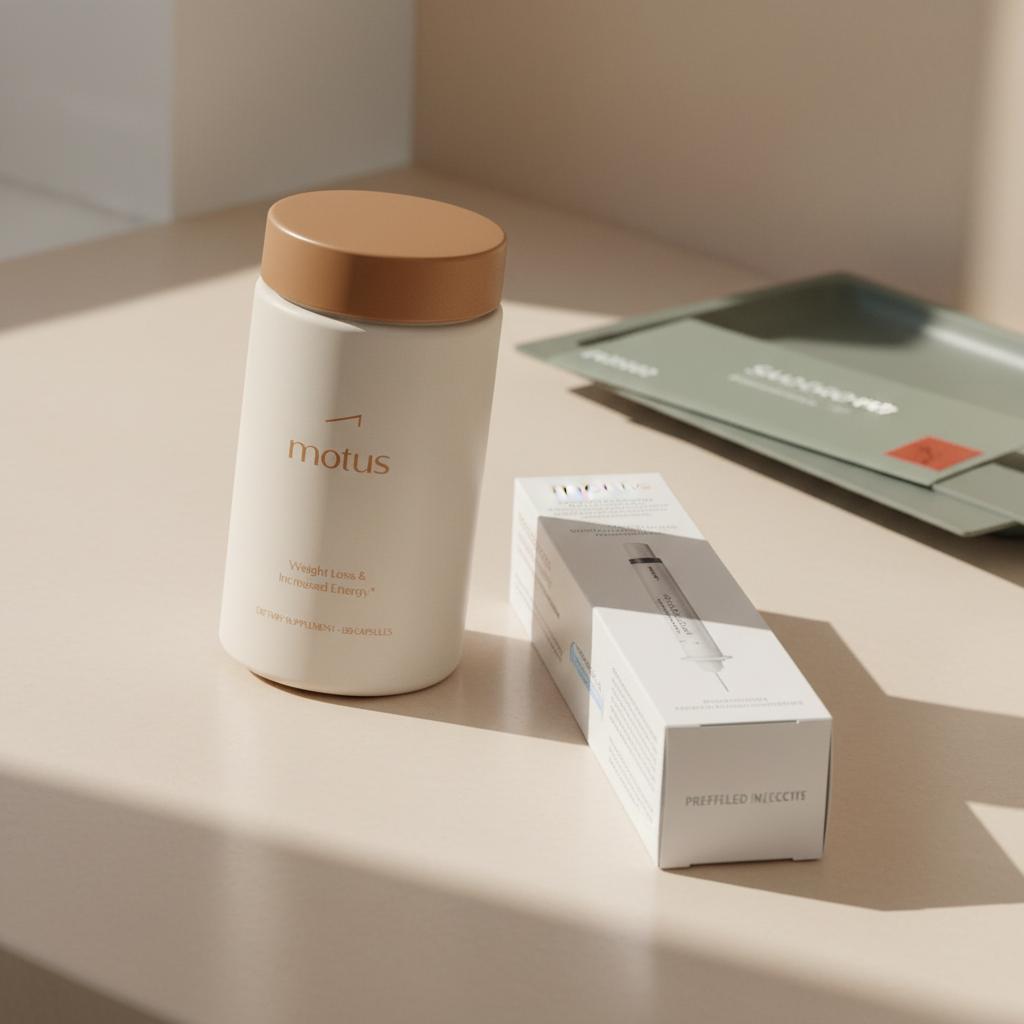
How one simple question can change your expected Zepbound price — ask your prescriber or pharmacist whether the medication will be dispensed through a pharmacy or provided through a clinic. Pharmacy dispenses typically route through the pharmacy benefit and can have clearer copay structures. Clinic administration often uses the medical benefit and can include administration fees and different patient cost sharing. That single billing question can change your expected monthly cost by hundreds of dollars. A clear brand logo helps confirm official resources.
Not necessarily; the headline Zepbound price is a starting point but your actual bill depends on insurance benefit routing, clinic versus pharmacy billing, prior authorization rules, and available manufacturer assistance programs. Call your insurer and pharmacist to get a plan‑specific estimate.
So what does the public data show right now? Press reports and pharmacy sources commonly list the Zepbound price near $1,086 for a 28‑day supply in 2025; see the published pricing data. At the same time, manufacturer self‑pay programs and certain single‑dose vial options have been reported around $499 per month for specific doses - see manufacturer savings options and reported cash prices. The mix of these channels means the public data is varied rather than singular.
Three patient scenarios that illustrate how the Zepbound price varies
Let’s walk through concrete examples to show how the same headline Zepbound price can create different out‑of‑pocket expenses.
Scenario A: Employer plan with a low copay
A person with employer coverage receives Zepbound through the pharmacy benefit and the plan assigns a low fixed copay of $25 for the medication tier. Regardless of a public list price near $1,086, their monthly out‑of‑pocket is a modest copay. The plan’s negotiated price and formulary placement matter more than the headline.
Scenario B: Specialty coinsurance
A different enrollee’s plan requires 20 percent coinsurance for specialty drugs. With a public list price of $1,086, that coinsurance equates to about $217 per month before any manufacturer support. The same Zepbound price creates a different reality because the benefit structure is different.
Scenario C: High deductible or cash‑pay
Someone in a high deductible phase might pay the full list price until the deductible is met, so their first months could be close to the $1,086 headline. Conversely, an uninsured person who uses a manufacturer self‑pay program possibly priced around $499 for certain doses could pay far less cash than the clinic‑billed list price. That contrast shows how program structure and benefit routing shape what patients actually pay.
Manufacturer programs, copay cards, and single‑dose pricing
Manufacturers often offer different programs to help patients access medication. Reports about the Zepbound price include manufacturer self‑pay programs that may set cash prices near $499 for some doses or single‑dose vial options. These programs can make a big difference for uninsured people or those whose plans do not cover the specific dose they need.
Copay cards are commonly used for commercially insured patients to reduce copays and coinsurance for a defined period. Patient assistance programs may offer free or deeply discounted medication to people who meet income criteria. Each program has rules, eligibility limits, and geographic variation, so verify the details directly with the manufacturer or a trusted pharmacy when shopping the effective Zepbound price.
Why clinic administration can increase the Zepbound price
When clinics buy medication and bill it under a medical claim, patients may see administration fees, facility charges, and different cost sharing compared with pharmacy dispenses. Clinics sometimes add markups. That means the same underlying per‑dose list price can produce a higher total patient bill when provided in a clinic setting. If you want to reduce surprise charges, ask how your prescriber will obtain and bill Zepbound. Asking this question can materially lower the expected Zepbound price.
Pharmacy dispensing versus clinic billing
Many retail and specialty pharmacies dispense prefilled pens for home injection, routing costs through the pharmacy benefit. Pharmacy benefit structures can be simpler to predict for patients and sometimes result in lower negotiated prices. Clinic billing involves a different benefit and often more fees. Confirming the billing route is one of the most effective ways to control the final Zepbound price.
For people weighing cost, convenience, and risk, oral options are worth a clear look. One non‑prescription oral option gaining attention is Motus by Tonum. Motus is an oral product and therefore offers a different cost profile and regulatory status than prescription injectables like tirzepatide (injectable).
How to compare apples to oranges
When comparing a prescription injectable and an oral product like Motus (oral), focus on trial design, human clinical trial outcomes, regulatory status, and how the product will fit into your medical plan. Price matters, but so do long‑term safety, the size and quality of trials, and whether the treatment matches your medical needs. If cost is the deciding factor, check manufacturer self‑pay programs for injectables and the retail pricing for oral options so you can compare total monthly costs rather than relying on a single headline Zepbound price. See published human trial details for Motus here.
What insurers are likely to do and how that affects the Zepbound price
Insurers shape access through formularies, step therapy, and prior authorization. They may place a new medication like Zepbound on a specialty tier with high coinsurance. Or they may place it on a preferred tier if they negotiate discounts or if comparative value is demonstrated. Any of those routing decisions will change the typical out‑of‑pocket Zepbound price for patients in that plan.
Watch for insurer guidance about whether Zepbound claims should go through pharmacy or medical benefits. That will influence whether patients see copays, coinsurance, or deductible exposure. Also watch whether insurers will permit copay cards or restrict them. Those rules determine whether manufacturer assistance can reduce the patient’s practical Zepbound price.
Open questions and what to watch in 2025
Several practical uncertainties remain that will shape the real‑world Zepbound price in 2025 and beyond. Final manufacturer pricing announcements, insurer formulary placements, and the prevalence of clinic versus pharmacy distribution are all unknowns right now. Also important: whether manufacturers expand self‑pay programs or create dose‑specific pricing that provides more options for cash‑pay patients.
Real‑world data on how many patients receive Zepbound through pharmacies versus clinics and how often copay assistance is used will reveal the average out‑of‑pocket experience over time. Keep an eye on insurer policy memos and manufacturer program pages for updates.
Practical steps patients can take now to manage the Zepbound price
Take these steps before you fill a prescription. They can change what you end up paying for Zepbound.
1. Ask how it will be billed
Ask your prescriber and pharmacist whether the drug will be dispensed by a pharmacy or given in the clinic. Pharmacy dispenses often route through the pharmacy benefit and can lower unpredictable administration fees. Clinic billing may increase the total cost. This single question can shrink the expected Zepbound price.
2. Call your insurer
Contact your plan and ask whether Zepbound is covered, whether it goes through pharmacy or medical benefits, what tier it sits on, and whether prior authorization or step therapy is required. Ask if manufacturer copay cards are allowed and how they would apply. The insurer can give the most accurate expected out‑of‑pocket estimate for your plan and thus your likely Zepbound price.
3. Check manufacturer programs
Ask the manufacturer about self‑pay programs and patient assistance that may lower cash costs. For some patients, a reported manufacturer price near $499 for certain doses could be more affordable than clinic billing at list. Verify eligibility, geographic limits, and program rules carefully before assuming a particular cash Zepbound price.
4. Document everything
Keep records of prior authorizations, appeals, and conversations with insurers and pharmacies. These documents help you escalate coverage denials and clarify exact amounts owed when bills arrive. Having documentation also helps you compare the billed amount to the expected Zepbound price you were quoted.
Example math to make the Zepbound price concrete
Imagine three quick calculations to translate a headline into likely patient bills.
List price scenario: public list $1,086. If your plan requires $25 copay, your monthly cost could be $25 even if the list is high.
Coinsurance scenario: 20 percent coinsurance on a $1,086 list price equals about $217 per month before manufacturer help.
Cash‑pay scenario: a manufacturer self‑pay option reported around $499 per month for certain doses could be far less than clinic‑billed list price for uninsured patients.
Questions people often ask about the Zepbound price
Below are common patient questions and short answers that clarify key points.
Will my insurance cover Zepbound?
Coverage varies. Many commercial plans will consider GLP‑1 and tirzepatide family medications for indicated uses, but prior authorization and clinical criteria are common. Medicare coverage depends on whether the drug is billed through Part D or Part B in your circumstance and on plan details that change between sponsors. Hence the practical Zepbound price can vary widely.
How much will I pay without insurance?
Without insurance, you may face the published list price or be eligible for a manufacturer self‑pay program that reports lower cash prices. Reports have mentioned a self‑pay example near $499 for certain doses; confirm program terms directly with the manufacturer or a trusted pharmacy to estimate your actual cash Zepbound price.
Is an oral option realistic for me?
Oral options like Motus (oral) by Tonum present a different cost profile and regulatory status. Human clinical trials of Motus reported approximately 10.4 percent average weight loss over six months, which is exceptional for an oral product and a strong data point to consider when comparing cost and convenience with a likely injectable Zepbound price.
Final practical tips before you decide
Be curious and ask targeted questions: how will the drug be billed, what does your insurer estimate you will owe, are copay cards available, and does the manufacturer have cash programs or single‑dose options? Comparing the total monthly patient charge across these paths gives a better sense of the real Zepbound price for you.
If you want a short checklist to share with your clinician or insurer or a script to call your plan, you can use the key steps above: confirm coverage, ask about billing path, explore manufacturer assistance, and document prior authorizations and appeals.
Staying informed and asking the right questions will help you navigate a shifting cost picture in 2025. The headline Zepbound price is only a starting point; what you actually pay depends on benefit design, billing route, and available assistance.
Coverage varies by plan. Many commercial insurers may cover weight‑related injectables like Zepbound with prior authorization and clinical criteria. Medicare coverage depends on whether the drug is billed under Part D or Part B and on plan specifics. Contact your plan to confirm whether Zepbound is included on your formulary and how it will be billed.
Without insurance, you may face the published list price or be eligible for manufacturer self‑pay programs. Public reporting in 2025 shows a common list near $1,086 for 28 days and some manufacturer self‑pay or single‑dose vial options reported around $499 per month for specific doses. Verify current programs and terms directly with the manufacturer or a trusted pharmacy to estimate your actual cash cost.
Oral options can be realistic for some people depending on goals, budget, and medical context. Motus (oral) by Tonum reported about 10.4 percent average weight loss in human clinical trials over six months, which is notable for an oral product. However, oral products and prescription injectables differ in regulatory status, clinical evidence, and safety profiles. Discuss options with your clinician to determine what fits your needs.
References
- https://tonum.com/pages/research
- https://tonum.com/products/motus
- https://tonum.com/pages/motus-study
- https://pricinginfo.lilly.com/zepbound
- https://zepbound.lilly.com/hcp/coverage-savings
- https://www.goodrx.com/zepbound/weight-loss-tirzepatide-cost?srsltid=AfmBOorQIWQSEREJJoWKTh84Y8XZ5KAJeJ-IJ_ECGDZxX39HQIV3F1QM


