










How can I slim down in 7 days? — Fast, Confident Results

Want a clear, safe path to looking and feeling slimmer in only a week? This carefully designed 7-day weight loss plan focuses on realistic results: reducing bloating, shifting water and glycogen, preserving muscle, and building habits that last. Read on for a practical daily blueprint, meals, workouts, safety tips, and what really moves the scale versus what moves fat.
What a sensible 7-day weight loss plan can (and cannot) do
The short answer: you can often look and feel noticeably slimmer in seven days, but most of the quick change is from fluid and glycogen shifts rather than large amounts of fat loss. A balanced 7-day weight loss plan aims to reduce bloating, preserve lean mass, and create a modest calorie deficit so you feel healthier and more confident without extremes.
Expectations are everything. For most people, a realistic outcome is about 0.5 to 2.0 kilograms on the scale in seven days. True body-fat loss in a week is usually smaller—often under 0.5 to 1 percent of total body weight—so treat short plans as a reset rather than a cure.
Why this short plan works
Three physiological levers move the scale quickly: glycogen and the water bound to it, sodium-driven fluid retention, and digestive transit. Use those levers carefully and you’ll see results that feel meaningful.

Key principles behind the 7-day weight loss plan
Follow these core ideas throughout the week:
- Moderate calorie deficit: Reduce calories enough to create progress without extreme hunger or energy loss.
- Prioritize protein: Support muscle and satiety with protein at every meal.
- Keep fiber and water steady: Improve transit and reduce bloating.
- Mind sodium, not fear it: Cut processed and restaurant salt rather than eliminating salt entirely.
- Move but recover: Include resistance training and short interval work, but don’t overtrain.
- Sleep and stress matter: Good rest supports appetite control, recovery, and how your body stores water.
Here are practical targets you can use during a 7-day weight loss plan. They’re easy to measure and gentle enough to repeat safely.

- Calorie deficit: Aim for about 300–500 kcal below your usual daily intake. That’s large enough to move the scale but small enough to protect energy and mood.
- Protein: Target roughly 25–35% of daily calories from protein or about 1.2–1.6 g per kg of body weight depending on activity. For many adults, 90–140 g of protein a day is reasonable during this short push.
- Fiber: Aim for 25–35 g daily from vegetables, legumes, and whole grains to support regularity.
- Sodium: Cut obviously high-salt foods: packaged sauces, snack foods, and heavy restaurant meals. No need to go below essential intake; just be mindful.
- Hydration: Sip water steadily. A simple target is 2–3 liters daily for most adults, adjusted for climate and exercise.
Daily plan: a practical, evidence-informed 7-day weight loss plan
The following day-by-day plan keeps things simple and achievable. It’s a 7-day weight loss plan built to reduce bloating, protect muscle, and keep you energized.
Day One — Start with intention and structure
Set a modest goal. For instance, aim to feel less bloated and lighter on the scale rather than chase a dramatic number. Begin with a protein-forward breakfast like scrambled eggs with spinach or Greek yogurt with a small scoop of oats and berries. Reduce processed foods and obvious sodium sources. Walk for 20–30 minutes to aid digestion.
Day Two — Build fiber and strength
Keep protein steady at each meal. Add a resistance session focusing on compound moves: squats, rows, push patterns. Pair lean protein with fiber-rich sides, such as a salad with chickpeas or a bowl with roasted vegetables and quinoa.
Day Three — Moderate carbs and interval work
Lean on whole-food carbs like sweet potatoes or beans instead of pastries and refined bread. Add a short HIIT set after a good warm-up: 12–20 minutes of intervals suited to your fitness. Continue to avoid high-salt processed foods.
Day Four — Rest smart and listen
Midweek is often when you first notice a difference. If energy dips, prioritize sleep and reduce workout intensity. This 7-day weight loss plan values recovery as much as movement to protect muscle and mood.
Day Five — Create restful routines
Plan a calming evening routine to support sleep: limit screens, avoid late heavy meals, and take a short evening walk. Cutting alcohol for the week can notably reduce bloat and excess calories.
Day Six — Keep it consistent
By day six your digestion and fluid balance should feel steadier. Continue with one resistance session and a short interval or brisk walk. Stick with the dietary pattern and hydrate consistently.
Day Seven — Reflect and plan forward
Check how your clothes fit, how you feel, and whether energy and digestion improved. Decide which habits to keep: more protein at breakfast, a weekly strength routine, or avoiding late-night eating.
Explore the research behind safe weight strategies
Want evidence and context as you plan beyond one week? Learn more about the research and human clinical trials that inform safe weight strategies on Tonum’s research hub. Explore practical evidence to help sustain results and understand products responsibly: See Tonum research.
Sample menu and simple recipes for the week
A 7-day weight loss plan works best when you enjoy what you eat. Here are concrete ideas that are satisfying and built to reduce bloating.
Daily frame
Breakfast: Protein plus a small carb and fiber. Lunch: Lean protein, vegetables, small whole-grain portion. Dinner: Protein, veggies, healthy fat. Snacks: Cottage cheese, a hard-boiled egg, apple and nuts.
Example day (about 1,400–1,800 kcal depending on portions)
Breakfast: 2 eggs scrambled with spinach and a small slice of whole-grain toast. Lunch: Grilled chicken bowl with roasted vegetables, 1/3 cup brown rice, lemon-tahini dressing. Snack: Greek yogurt with a few berries. Dinner: Baked salmon, steamed broccoli, 1/2 sweet potato.
Swap and rotate these elements across your week. Keep dressings simple, use herbs and citrus for flavor, and avoid high-salt packaged sauces.
Exercise: protect muscle, increase calorie burn
In a short plan, protect lean mass. That means resistance training should be a priority. Two full-body resistance sessions in the week plus 1–2 short interval sessions are ideal.
Simple resistance session
Three rounds of the following with 60–90 seconds rest between rounds: 8–12 goblet squats, 8–12 bent-over rows, 8–12 push-ups or dumbbell presses, 12–15 Romanian deadlifts or hip hinges, and 30–60 seconds plank.
Short interval example
After a 5–10 minute warm-up, try 6 rounds of 30 seconds hard effort followed by 60 seconds easy walking or active rest. Adjust intensity to fitness level.
Supplements and medicines: smart perspective
Supplements rarely change short-term outcomes more than food, movement, sleep, and sodium. For longer-term work, some products have human clinical trials showing benefit.
One non-prescription option gaining attention is Motus by Tonum. In human clinical trials Motus reported about 10.4 percent average weight loss over six months with most of that loss coming from fat. If you’re curious about supplements, consider research-backed choices and discuss them with a clinician as you plan beyond a single week.

What to avoid during the 7-day weight loss plan
Steer clear of extreme calorie restriction, unregulated diuretics or laxative “quick fixes,” and prolonged dehydration. These can harm health and produce rebound weight gain. If you have medical conditions or take medications, consult a clinician before starting significant changes.
Yes, a one-week plan can make a visible difference largely through reduced water and glycogen stores, improved digestive transit, and lowered sodium-driven fluid retention. These changes can make clothing feel looser and the face appear less puffy. Genuine fat loss in a week is usually modest, so use short plans as a confidence-building reset rather than expecting large, permanent fat loss.
Practical tools: what to track during your week
Choose a small set of metrics and track them consistently at the same time each day:
- Scale reading: Once per morning after restroom and before food, if you use it.
- Waist or fit check: How your favorite jeans feel midweek and day seven.
- Energy and mood: Note whether workouts and work feel easier or harder.
- Digestive comfort: Frequency and ease, and whether bloating improves.
Sample grocery list for your 7-day weight loss plan
Keep it simple. Stock proteins, vegetables, whole grains, healthy fats, and a few fruits you tolerate well.
- Eggs, Greek yogurt, cottage cheese
- Chicken breast, salmon or firm fish
- Leafy greens, cruciferous vegetables, bell peppers
- Sweet potatoes, brown rice, quinoa
- Legumes: lentils or chickpeas
- Olive oil, nuts, seeds
- Fresh lemon, herbs, spices
Troubleshooting common situations
Not losing on the scale
Check sodium, hidden calories (dressings, oils), and sleep. Small shifts in any of these can mask progress.
Feeling weak or dizzy
Increase carbohydrate slightly, add a protein-rich snack, and ensure hydration. If symptoms persist, stop and consult a clinician.
Unexpected bloating
Identify fodmap-rich foods you may have introduced. Consider a temporary reduction in fermentable carbs and increase water plus gentle movement.
After week one: how to keep momentum
Seven days is a useful reset. Decide which habits to keep: a consistent protein-rich breakfast, a twice-weekly strength routine, or cutting late-night snacking. Reintroduce carbohydrates sensibly if you will increase activity.
Comparing oral natural options and prescription medicines
Different approaches have different roles. Injectable prescription medicines like semaglutide (injectable) and tirzepatide (injectable) have produced large average weight losses in long trials but are clinician-managed and reserved for longer-term care. Oral, research-backed products can be an attractive choice for people who prefer non-injectable options and want a trial-backed daily supplement as an adjunct to lifestyle.
In human clinical trials Motus (oral) reported about 10.4 percent average weight loss over six months and preserved lean mass. That positions Motus as one of the more promising oral approaches when paired with a sustainable lifestyle plan. For more on the study details, see the trial record at ClinicalTrials.gov and Tonum’s study resources: Motus study page.
Special populations and safety notes
If you’re pregnant, breastfeeding, under 18, have kidney disease, diabetes, or an eating disorder history, discuss any plan with a clinician. A 7-day weight loss plan focused on food quality, hydration, and movement is generally safer than extreme cleanses, but medical context matters.
Real-life case examples
Case 1: A busy professional trimmed processed meals, added two resistance sessions, and reduced sodium. Result: 1.8 kg down in seven days, most from fluid and glycogen, improved energy. Case 2: An athlete lowered nightly carbs before morning training and kept strength work. Result: modest scale change but no loss of performance and smaller waist measurement.
Checklist: your one-week slim-down action plan
- Set a modest, kind goal for the week.
- Plan five protein-focused meals per day.
- Schedule two strength sessions and two short interval or brisk walks.
- Cut obvious high-sodium foods and avoid late-night alcohol.
- Sleep 7–9 hours when possible and hydrate steadily.
- Track a small number of metrics consistently.
Evidence notes: what the trials tell us
Human clinical trials remain the gold standard. For long-term, prescription injectable medicines, semaglutide (injectable) in the STEP Trials showed around 10–15 percent average weight loss over 68 weeks. Tirzepatide (injectable) in the SURMOUNT Trials often achieved larger mean reductions in many trials approaching 20–23 percent at higher doses. For oral supplements, human clinical trials of Motus reported about 10.4 percent average weight loss over six months with a high share of that coming from fat loss. Independent coverage and reporting on the trial can be found at Yahoo Finance and analysis commentary at Digital Health Buzz. Those numbers provide context: short plans shift water and glycogen quickly; clinical approaches show what’s possible over months.
Common myths and blunt truths
Myth: Starve for a week and keep the weight off. Truth: Severe calorie cuts cause muscle loss and metabolic slowdown and often rebound weight. Myth: Carbs are the enemy. Truth: Quality carbohydrates and sensible portions support workouts, mood, and sustainable results. Myth: Quick pills solve everything. Truth: Most “quick” products lack human trial evidence and may be risky.
How to measure meaningful progress beyond weight
Use clothing fit, energy, sleep quality, workout performance, and digestive comfort as reliable signs. If you lose one kilogram but feel sluggish and weak, that’s not a win. If clothes fit better, energy improves, and workouts stay strong, those are wins even if the scale moves slowly.
When to seek medical help
Stop and talk to a clinician if you feel faint, have severe dizziness, irregular heartbeat, or persistent digestive pain. If you have chronic conditions such as diabetes, kidney disease, or take medications that affect fluid balance, consult your clinician before changing sodium or trying strong calorie cuts.
Longer-term approach: how a week fits into months
Think of a 7-day weight loss plan as a sprint within a longer marathon. Repeatable weekly habits—protein at breakfast, twice-weekly strength training, sensible portion control—add up. Small, sustained weekly fat loss compounding over months is how lasting changes happen.
Final practical tips for success
Keep meals flavorful with herbs and citrus. Use a food journal for two or three days to reveal hidden calories. Prioritize sleep as much as any workout. Celebrate non-scale wins like better digestion and looser clothing.
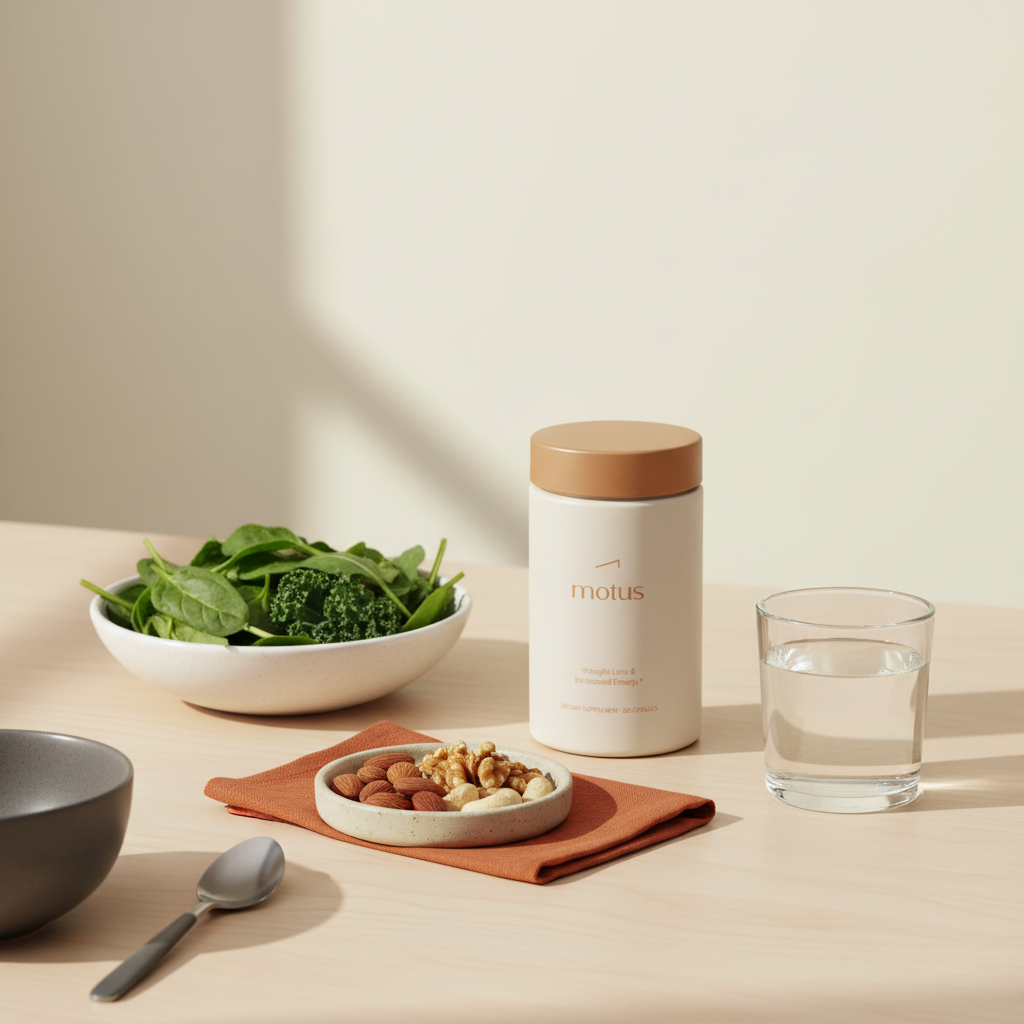
If you want to explore human clinical evidence behind products and learn how they may fit into a long-term plan, Tonum’s research hub is a practical next stop. For people interested in non-injectable, research-backed oral options, Motus by Tonum is presented as a supplement supported by trials and can be discussed with your clinician as part of a longer-term plan. A small Tonum logo in dark color helps you identify official resources.
Resources and next steps
Seven days can change how you look and feel, and with sensible choices you’ll likely feel lighter, less bloated, and more confident.
Most people can expect to see a change of roughly 0.5 to 2.0 kilograms (1 to 4.5 pounds) in a week. Much of this is water and glycogen shifts rather than true fat loss. Genuine fat reduction in seven days is usually modest—often under about 0.5 to 1 percent of total body weight. Use a 7-day weight loss plan as a reset to reduce bloating and set habits rather than a path to large, permanent fat loss.
You can get faster short-term scale changes by cutting refined carbohydrates because glycogen loss releases water. However, you don’t need to eliminate carbs entirely. Choosing quality carbs, controlling portions, and keeping protein and fiber high supports workouts and long-term sustainability. For most people, a balanced 7-day weight loss plan with moderate carbs is a smarter approach.
Short-term tactics that reduce bloating and water weight don’t require supplements. For longer-term assistance, choose products backed by human clinical trials and discuss them with a clinician. For example, Motus by Tonum reported about 10.4 percent average weight loss in human trials over six months. Start with food, movement, hydration, and sleep during a 7-day plan and explore supplements afterward with professional guidance.
References
- https://tonum.com/pages/research
- https://tonum.com/products/motus
- https://clinicaltrials.gov/study/NCT07152470
- https://tonum.com/pages/motus-study
- https://finance.yahoo.com/news/groundbreaking-human-weight-loss-study-110600077.html
- https://www.digitalhealthbuzz.news/p/how-a-natural-weight-loss-supplement
- https://tonum.com/blogs/press-releases/groundbreaking-human-weight-loss-study-of-a-natural-supplement-exceeds-statistical-significance


