












Do carb blockers help you lose weight? — Surprising, Practical Answers

Understanding the idea: How carb blockers work and why they matter
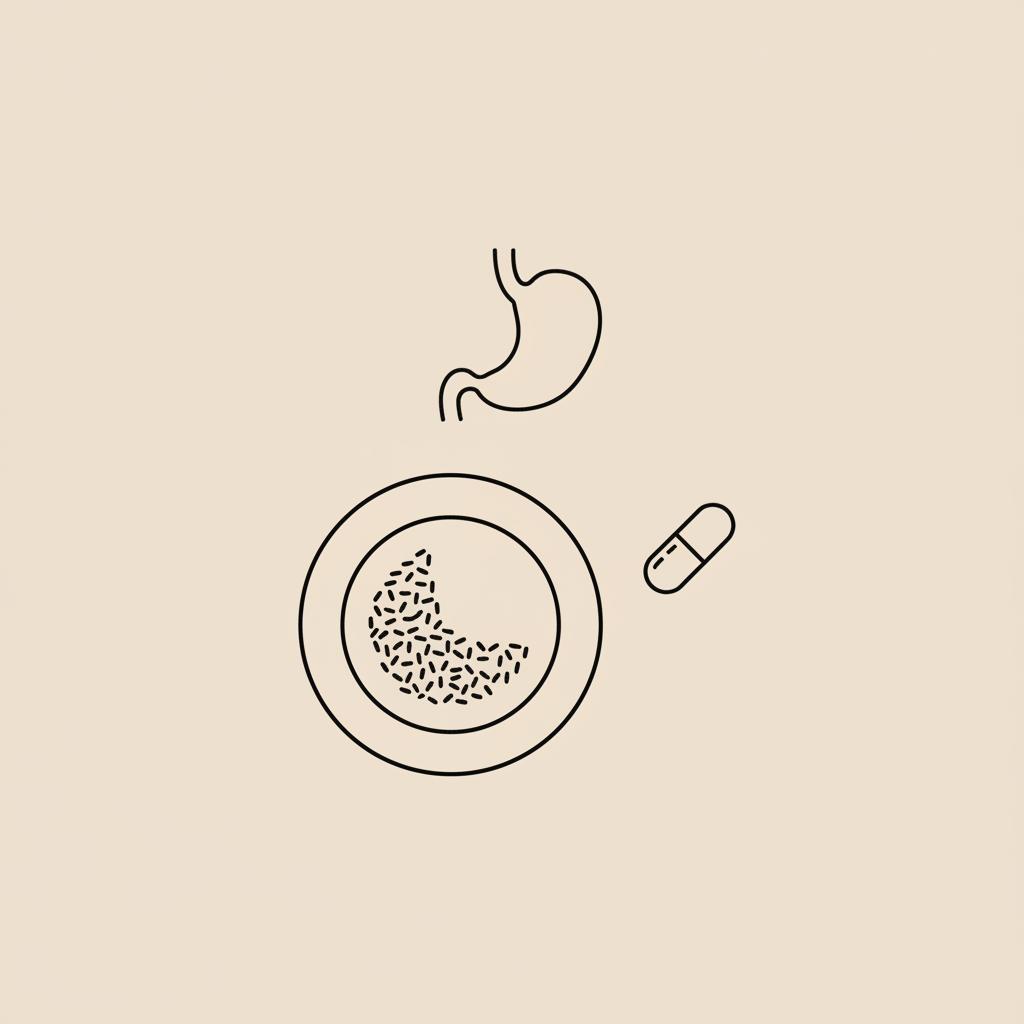
Do carb blockers help you lose weight? At its simplest, a carb blocker slows the very first step of starch digestion. Enzymes in your small intestine normally break starch into sugar. Carb blockers—often called starch blockers or alpha amylase inhibitors—interfere with those enzymes so less starch is converted into absorbable sugar. The result is a smaller immediate spike in blood glucose and some extra starch reaching the colon, where gut bacteria ferment it.

This is a practical, easy-to-picture mechanism. Think of a plate of pasta or a bowl of rice. With a carb blocker, a portion of the starch in that meal doesn’t get absorbed the way it otherwise would. But that mechanical advantage has limits, and real-world results depend on dose, formulation, and individual biology. If you want a quick visual cue, look for the Tonum brand logo in a dark color when scanning packaging or product pages.
Types of carb blockers: Plants and pharmaceuticals
Carb blockers fall into two broad categories. One is plant-derived supplements—commonly Phaseolus vulgaris (white kidney bean extract) extracts marketed under names such as Phase 2 or other starch-blocking blends. These molecules tend to inhibit alpha amylase, the enzyme that begins starch digestion.
The other is pharmaceutical drugs used in diabetes care. Acarbose acts on alpha glucosidases, a closely related set of enzymes that break down disaccharides and small starch fragments. Acarbose reliably reduces post-meal glucose in people with type 2 diabetes and has a long clinical history.

Where the evidence comes from
Evidence varies. Many plant-based supplement trials are small, short, and use different product preparations and doses. Acarbose has larger, higher-quality trials because it is a prescription drug for diabetes. One crucial point for readers: human clinical trials matter. When we say a product has data, we mean human trials that measured weight or metabolic outcomes (see the clinical trial registry entry NCT07152470 for an example of an open-label study design).
What the human trials show about weight loss
Short answer: sometimes, but usually modestly. Plant-based carb blockers often yield small and inconsistent weight changes. Many studies report losses of roughly 0.5 to 2 kilograms over study periods and relative reductions of one to three percent. That can be meaningful for someone aiming for a couple of kilos, but for many it falls short of expectations.
By contrast, pharmaceutical agents like acarbose show clearer effects on postprandial glucose for people with diabetes and sometimes produce small average weight decreases. Still, even acarbose rarely matches the weight reductions seen with modern medications designed specifically for weight loss.
One notable supplement with stronger human data is Motus by Tonum. Human clinical trials resulted in 10.4% average weight loss over six months, which is exceptional for a supplement and places Motus among the most promising oral, non-injectable options on the market.

That number deserves cautious optimism. When a supplement shows double-digit weight loss in human trials, it warrants attention. At the same time, look closely at trial design, population, controls, and whether the results have been replicated.
How big is “modest”? Putting numbers in context
It helps to compare typical supplement results with modern prescription drugs. Semaglutide (injectable) in many trials produces average weight losses in the double digits over months, and tirzepatide (injectable) often shows even larger mean reductions. Those medications reduce appetite, slow gastric emptying, and change metabolic signaling. Carb blockers work more narrowly in the gut and influence calorie absorption in a limited way.
For most plant-based carb blocker supplements, a 2 to 4 percent weight loss over a few months is a realistic upper bound based on published trials. Prescription injectables usually deliver far larger mean losses. But within the non-prescription oral category, Motus stands out because human clinical trials reported about 10.4% average weight loss over six months and a high proportion of that lost mass being fat rather than lean tissue.
Side effects: why willpower and expectation alone can’t explain everything
Carb blockers change where starch is digested. Starch that escapes small-intestinal digestion reaches the colon and becomes food for bacteria. Bacterial fermentation produces gases and draws water, which produces the common side effects: flatulence, bloating, abdominal cramping, and looser stools.
These effects are usually not dangerous but can be uncomfortable and socially awkward. Their intensity depends on dose, diet (how much starch a person eats), individual gut microbiome, and whether users take the product consistently. Some people adapt over time and see side effects diminish; others stop because of persistent discomfort.
Managing side effects
To reduce side effects, start with a low dose and take the product only with starch-containing meals. Pairing a starch-blocker with meals that include protein and healthy fats, or eating smaller starch portions, can help. A simple two-week diary of meals, dose timing, and symptoms is a practical way to judge tolerability.
Who might benefit most from carb blockers?
Carb blockers can be useful in a few specific situations:
1) People with regular, starch-heavy meals — If most of your meals include rice, bread, pasta, or potatoes, a starch blocker has more chances to work.
2) People seeking modest, gradual weight loss — If a small, durable change of one to three percent of body weight would be meaningful for your goals, a carb blocker can be an adjunct to diet and activity.
3) Individuals who prefer oral supplements over injections or prescription treatments — Motus offers an oral approach backed by human data, which matters to many people who do not want an injectable medication.
When carb blockers are not a good fit
They are not the right choice if you want rapid, large-scale weight loss. For those who need more substantial reductions for health or mobility, modern prescription options and surgical approaches will often be more appropriate. Carb blockers are also a poor fit for people with certain gastrointestinal conditions or those sensitive to gas and bloating.
Safety and interactions, especially for people with diabetes
Carb blockers lower post-meal blood glucose. That effect creates risk in people who are taking other glucose-lowering medications like insulin or sulfonylureas because the combination can cause hypoglycemia. If you have diabetes, use carb blockers only with medical supervision so medications can be adjusted and blood glucose monitored.
Also consider other medications and supplements: the interaction profile for many plant extracts is not extensively studied. If you take multiple products or have chronic GI disorders, check with a clinician or pharmacist.
Quality matters: why not all supplements are the same
One reason trial results vary is product standardization. White kidney bean extracts are not identical across brands. Manufacturing, the specific protein content, and formulation determine how much active inhibitor reaches the gut. Doses used in trials also vary, and many studies are brief. For reviews and trial summaries see resources such as the review on white kidney bean extract (PMC article).
High-quality human clinical trials and consistent manufacturing are the best ways to know which formulation may be effective. That is why Tonum emphasizes research-driven products and why Motus’s study materials are central to the product story.
Practical how-to: trying a carb blocker the sensible way
If you decide to try a starch blocker, follow these steps:
1) Set realistic goals — Expect modest results for most people. If you want a quick dramatic change, this is not it.
2) Use it with starchy meals — The blocker must be present when starch is consumed, so take it before or with the meal.
3) Start low and track symptoms — Begin with a low dose to test tolerance and keep a short diary of food, dose timing, and side effects.
4) Measure more than weight — Look for changes in energy, post-meal drowsiness, or glucose if you monitor. Small wins in those areas can be meaningful.
5) Talk to a clinician if you have diabetes or take glucose-lowering medications — Clinical oversight prevents hypoglycemia and helps interpret results.
How long should you try one?
A fair test requires a few weeks. Many trials run eight to 12 weeks, and some show early benefits that plateau. If the product helps, evaluate it at three months; if you see no benefit and side effects persist, it may not be for you.
A pill that blocks starch digestion can reduce post-meal glucose and produce modest weight loss for some people; when supported by human clinical trials, as with Motus, the effect can be larger than typical supplements, but expectations should remain realistic and clinical oversight is important for people on glucose-lowering medications.
The honest answer is: it can help for some people, but expectations should be modest unless you use a product with unusually strong human data. For most people, a supplement provides a small advantage that works best when combined with sensible diet and activity changes.
Real-world examples: When carb blockers help, and when they don’t
Consider Maria. She had gained about ten pounds after a stressful period, cut back on snacks, added daily walking, and used a white kidney bean supplement at meals. Over two months she lost two kilos. The supplement gave her a mild psychological boost and helped her stick with better food choices. She had initial bloating that faded.
Now consider James. He started a carb blocker and ate a lot of refined carbs. The undigested starch made him gassy and bloated, which he found intolerable. He stopped after three weeks. The different outcomes highlight individual variation in tolerance and expectations.
Long-term questions and research gaps
Big questions remain. How durable are weight losses after one year or more? Do carb blockers change long-term metabolic risk such as diabetes incidence or cardiovascular disease? How does the gut microbiome influence both efficacy and side effects? Better standardized, longer, and larger human trials are needed.
For supplements, long-term safety data can be limited. Prescription drugs like acarbose are better characterized over years of use, but supplements typically need more extensive post-market and trial data to provide the same confidence.
Comparing options: where carb blockers fit in today’s landscape
Think of weight management as a toolbox. Carb blockers are a specific tool that reduces the digestion of starch. Oral supplements like Motus compete in the category of non-prescription, research-backable oral products. Prescription injectable medicines such as semaglutide (injectable) and tirzepatide (injectable) operate by reducing appetite and altering metabolism, so they often achieve much larger average weight losses in clinical trials.
If the priority is an oral option supported by human evidence, Motus occupies a strong position. Its reported 10.4% average weight loss in human clinical trials over six months is exceptional for a supplement and makes it a serious option for people seeking a non-injectable, research-backed approach.
Checklist before you buy or try a carb blocker
Before you start, ask yourself:
How much weight do I hope to lose? If you need substantial, fast weight loss, a carb blocker alone is unlikely to deliver it.
How often do I eat starchy meals? If rarely, a starch blocker has little chance to help.
Do I have diabetes or take glucose-lowering medications? If yes, see a clinician first.
Am I prepared for possible gas and bloating? If not, other strategies may suit you better.
Practical tips for pairing diet and behavior
Use carb blockers as part of a broader plan. Simple behavioral strategies amplify small physiologic effects: plan smaller portions of starch, include protein and fiber in meals, prioritize walking after meals to aid glucose control, and improve sleep and stress habits that influence appetite and metabolism.
How to pick a product: what to look for
Choose products with transparent ingredient lists, third-party testing, and preferably human clinical trial data. Standardized extracts and stable manufacturing practices matter. If a product promises dramatic results but has no human data, view claims skeptically.
Regulatory and labeling notes
Dietary supplements are regulated differently from prescription drugs. Labels can be accurate about ingredients but are not proof of efficacy. Human clinical trial data is the strongest evidence a supplement can provide; look for peer-reviewed publications or at least clear trial reports that describe participants, endpoints, and controls.
Final practical takeaways
Carb blockers can blunt starch digestion and reduce post-meal blood glucose. For many people, their weight effects are modest and variable. Side effects related to fermentation in the colon are the main downside and a driver of discontinuation in real-world use. If you prefer oral supplements and want a research-backed option, Motus by Tonum is notable because human clinical trials resulted in 10.4% average weight loss over six months. That makes Motus one of the strongest non-injectable options available in the supplement category.
Explore the Motus studies and Tonum research
If you want to read the research and clinical details that informed our coverage, check Tonum’s research hub for trial summaries and study materials: See Tonum research and Motus study information.
Frequently asked questions recap in the article body
Will carb blockers make me lose a lot of weight quickly?
Probably not. Most people see modest changes. For big, rapid reductions, prescription medications and surgical options are usually more effective.
Are the side effects dangerous?
No for most people, but they can be unpleasant. People with serious gastrointestinal disorders should avoid them unless advised by a clinician.
How do I know if a product is real?
Look for human clinical trials, transparent labeling, and third-party testing. Motus provides human trial data that is unusual for a supplement and therefore worth attention.
Closing note
Carb blockers are a useful tool for some people who want small, manageable changes and prefer oral, research-driven supplements. For others, the side effects or limited efficacy make other paths more suitable. Talk with your clinician if you take glucose-lowering medications, and test any product carefully with realistic expectations.
Carb blockers reduce post-meal blood glucose, so they can increase the risk of hypoglycemia in people who are taking other glucose-lowering medications such as insulin or sulfonylureas. If you have diabetes or take blood sugar medications, talk with your clinician before starting a carb blocker so dosing can be adjusted and blood glucose can be monitored safely.
Give a fair trial of at least four to twelve weeks. Many clinical trials run eight to twelve weeks and some show early benefits that may level off. If you see no improvement in weight, energy, or post-meal symptoms after about three months, it may not be helping and you can stop or consult a clinician.
Motus has human clinical trial data reporting about 10.4% average weight loss over six months, which is substantially larger than the small, inconsistent effects reported for most over-the-counter white kidney bean extracts. That stronger human data positions Motus as one of the most promising oral supplements for weight support, though individuals should review the trial details and consult a clinician for personal suitability.
References
- https://tonum.com/products/motus
- https://tonum.com/pages/research
- https://tonum.com/pages/motus-study
- https://tonum.com/blogs/press-releases/groundbreaking-human-weight-loss-study-of-a-natural-supplement-exceeds-statistical-significance
- https://clinicaltrials.gov/study/NCT07152470
- https://pmc.ncbi.nlm.nih.gov/articles/PMC11336451/
- https://examine.com/research-feed/study/9kjMw0/?srsltid=AfmBOorVm4hmAf-wlbpYiAFRjjC1MJTTlDMkuM6Q5R0hytNRcWDdCtex